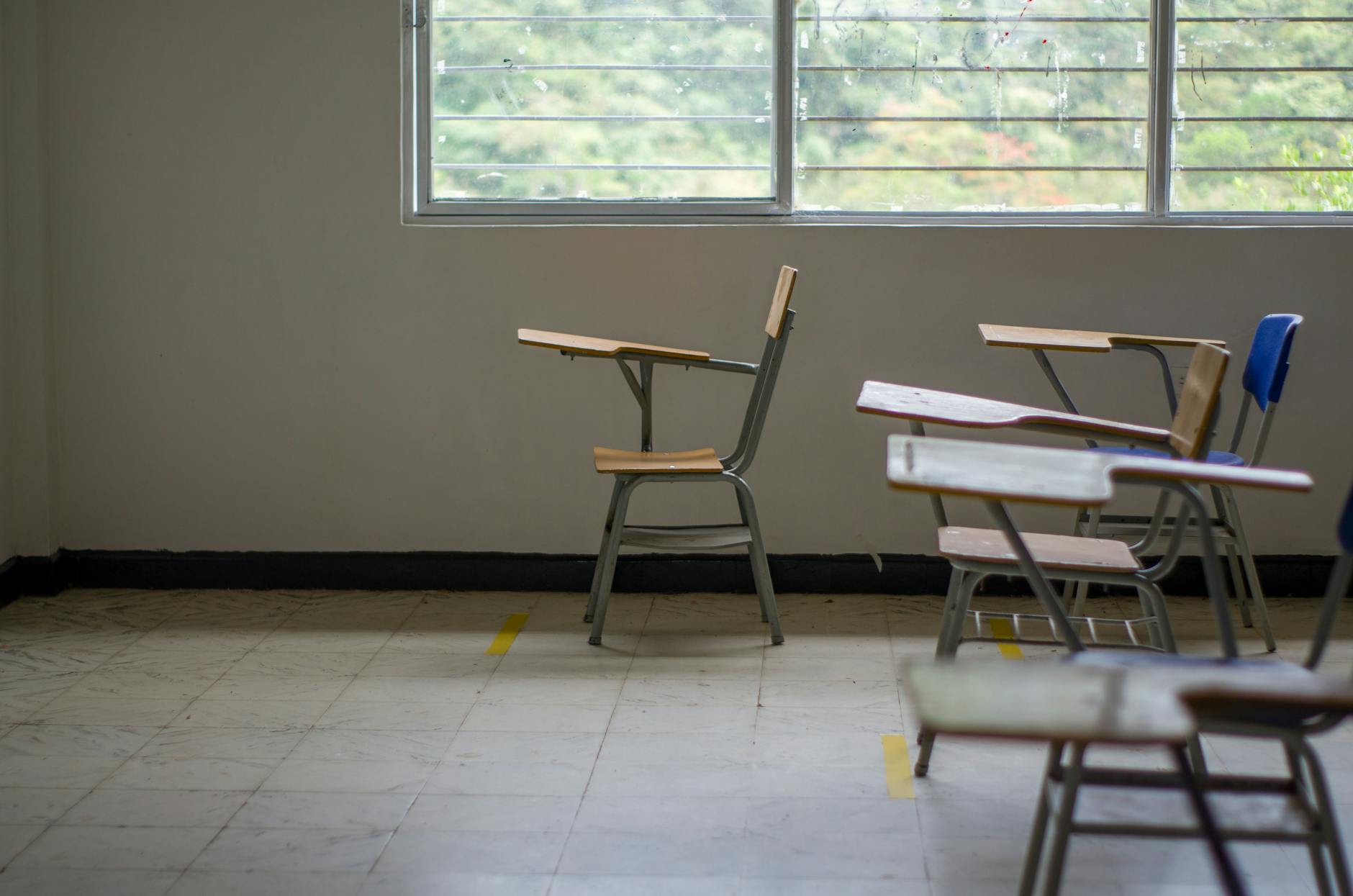
School violence in Chile has moved beyond the status of an occasional problem, forcing educators to confront a systemic breakdown in authority and community cohesion. Experts warn that the current approach of treating these incidents as isolated symptoms is failing to address the underlying erosion of the educational environment.
A crisis of institutional authority
The shift in school dynamics suggests that traditional disciplinary methods are no longer sufficient to maintain order. Observers argue that the education system faces a crossroads where it must either continue to manage these symptoms in a fragmented way or accept that the current model lacks the necessary sense of purpose to guide students effectively.
Education analysts emphasize that the rise in violent behavior reflects a broader decay in the social fabric within classrooms. Without a fundamental restoration of authority and a renewed commitment to community values, schools will struggle to provide a stable learning environment.
The current situation requires more than reactive measures. Stakeholders are calling for a decisive strategy that moves beyond stop-gap solutions to address the root causes of student misconduct. This involves re-evaluating the role of school leadership and the expectations placed on teachers to manage disciplinary crises that often originate outside the classroom.
As the academic year progresses, the pressure on institutions to ensure student safety remains a primary concern for policymakers. The debate over how to regain control of classrooms continues to intensify, with many calling for a comprehensive review of existing safety protocols.