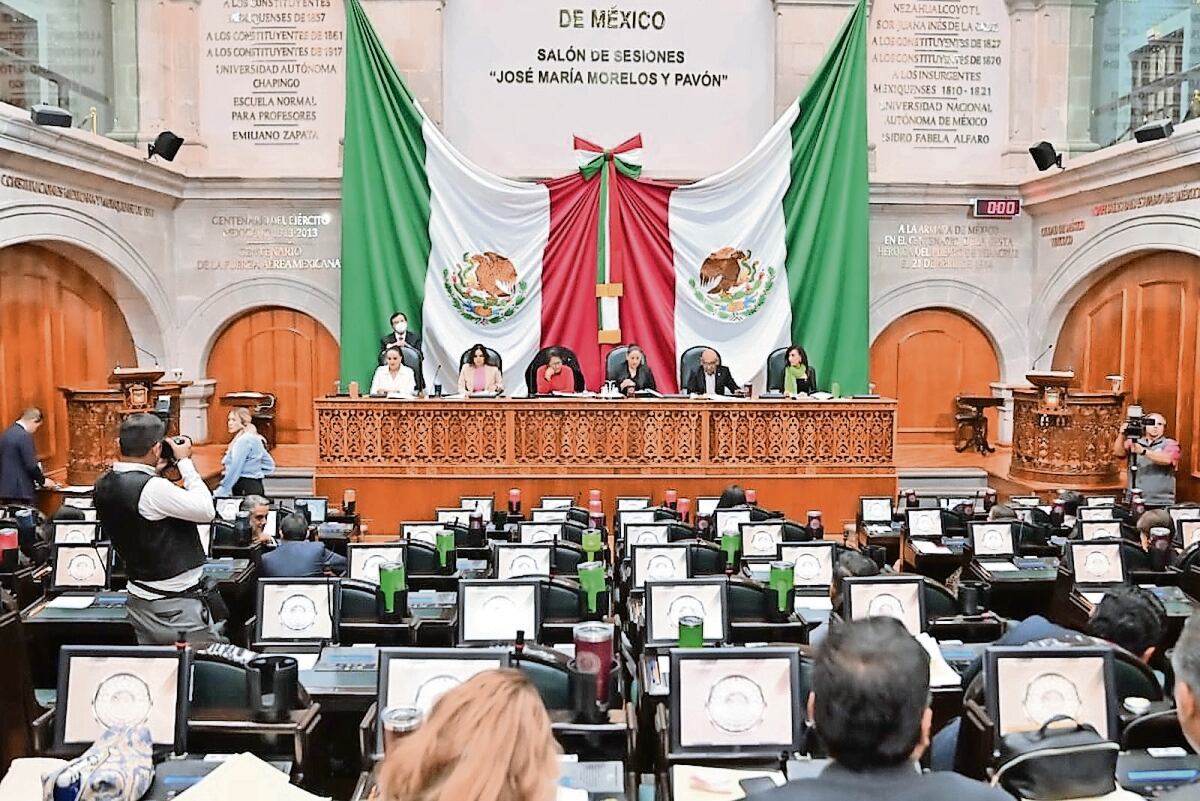
The Congress of the State of Mexico approved two major judicial initiatives on Tuesday, significantly expanding legal recourse for citizens within the jurisdiction. These comprehensive reforms modify the Civil Code to allow nullity actions against concluded trials under specific conditions regarding fraud and collusion. The legislative body also adjusted the organizational structure of appellate tribunals to ensure adequate staffing for handling complex appeals. This move marks a significant shift in how local courts handle finality and procedural justice for residents.
The primary change introduces a nullity action for concluded judgments, which effectively invalidates final sentences proven to be fraudulent in nature. According to reports from El Universal, this mechanism specifically targets cases where collusion or false evidence compromised the integrity of the judicial process. It addresses a significant gap where citizens could not challenge executed rulings without obtaining new legal tools previously unavailable to them. The initiative seeks to balance legal finality with the necessity of correcting grave injustices in the system.
Hector Macedo Garcia, president of the Superior Court of Justice of the State of Mexico, called the reform a fair instrument for achieving justice. He noted that previous laws prevented citizens from demanding nullity when specific fraud occurred against them in court proceedings. The court president emphasized that this change provides necessary protection against malicious legal maneuvers by bad actors. He stated that the Supreme Court had indicated such tools were missing from the statutory framework before the amendment.
Procedures for this nullity require strict proof that the trial occurred without the person's knowledge or involved false representation by parties. The law sets a five-year limit for filing such actions after a resolution causes finality in the case to ensure legal certainty. Exceptions apply against sentences already dictating nullity in the same proceedings under strict rules to prevent abuse. This limitation is designed to prevent indefinite challenges to settled legal matters and maintain stability in the courts.
The second initiative mandates that appellate tribunals operate with either one or three magistrates to resolve disputes effectively. This adjustment aims to standardize the organization of courts handling federal or state jurisdiction appeals efficiently across the region. It ensures these organs have sufficient capacity to resolve legal resources effectively for all parties involved in litigation. The decision allows flexibility depending on the volume of cases handled by each tribunal in different districts.
Legal experts view this as a significant step toward strengthening the rule of law in the region and improving judicial reliability. Previous judicial frameworks often left final judgments immune to review even when corruption was suspected by observers and analysts. This aligns with broader national discussions on criminal justice reform currently taking place across Mexico. The changes aim to restore public confidence in the integrity of the judicial system and encourage civic participation.
Business leaders monitor such changes closely due to their direct impact on contract enforcement and long-term investment security for companies. Uncertainty in the judicial system can deter foreign direct investment in the state significantly and harm economic growth. Streamlined appeals and fraud remedies may improve the overall business climate for Edomex substantially over the coming decade. A predictable legal environment is essential for attracting capital to the region and sustaining development projects.
Implementation details remain to be defined by the relevant judicial authorities over the coming months ahead as regulations are finalized. Legislative follow-through will determine how quickly these new mechanisms enter active use in the courts nationwide. Observers will watch for the first cases filed under the new nullity provisions soon to gauge effectiveness. Administrative guidance will be necessary to ensure uniform application across all districts to avoid confusion.
The approval reflects a broader trend of state-level institutions modernizing their legal codes for efficiency and public trust. It demonstrates the capacity for local congresses to address specific civic needs without federal intervention or oversight. Further amendments may emerge as practical challenges arise during application in the future legal landscape. Stakeholders will continue to evaluate the long-term impact on civil litigation in the state over time.