Cuba suffered a second nationwide power failure on Saturday, marking another critical disruption for the island nation's struggling infrastructure within a single week.
The national electricity network collapsed again, leaving much of the capital and interior regions without power for extended periods as the grid struggled to manage severe fuel deficits.
State officials attributed the cascading outage to a specific failure at a thermoelectric power unit, though the root cause remains linked to chronic maintenance issues and acute oil shortages.
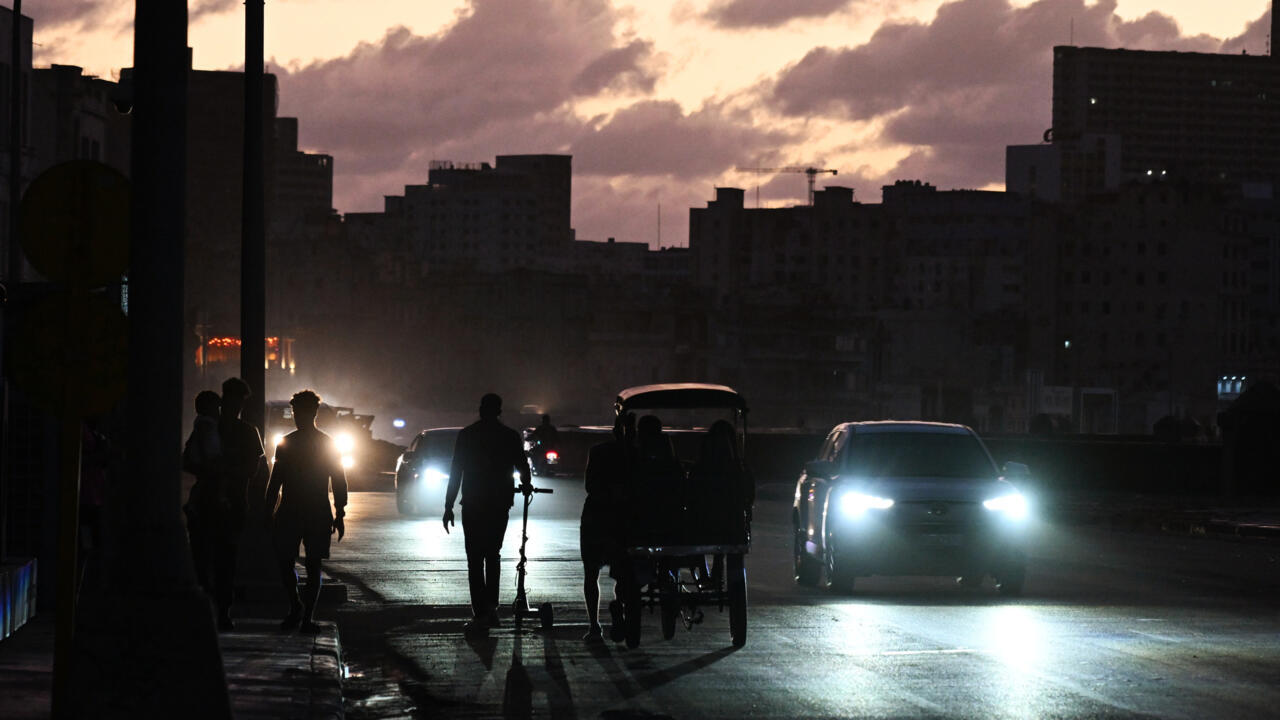
As night fell over Havana, streets remained mostly pitch black, forcing residents to navigate using mobile phone lights or flashlights just five days after the previous blackout.
In the historic old city, some restaurants managed to remain open by utilizing diesel generators, while musicians continued to play for tourists despite the irregular service.
Ofelia Oliva, a 64-year-old resident, told AFP that the situation is becoming unbearable as families cannot live under such constant uncertainty.
The country's electricity generation relies heavily on a network of eight aging thermoelectric plants, some of which have been in operation for more than forty years without significant upgrades.
These facilities suffer frequent breakdowns or must be shut down periodically for maintenance cycles, leaving the national grid vulnerable to systemic failure whenever stress occurs.
Consequently, residents in Havana face daily blackouts lasting up to fifteen hours, while those in the interior of the island experience outages that can exceed forty hours.
The breakdowns have intensified significantly since Cuba's main regional ally and primary oil supplier, Venezuelan leader President Nicolas Maduro, was reportedly captured in a United States military operation in January.
Following that event, President Donald Trump has threatened to impose steep tariffs on any countries that continue to sell oil to Cuba, effectively tightening the economic noose around the communist state.
No oil has been imported to the island since January ninth, hitting the power sector while simultaneously forcing airlines to curtail flights to the island.
This blockade has forced the government to seek alternative suppliers from Russia, though delivery timelines remain uncertain for now.
This energy crisis arrives as an international aid convoy began to arrive in Havana this week, bringing sorely needed medical supplies, food, water and solar panels to the island.
The situation in the country of 9.6 million people comes as Trump has made no secret of his desire to see regime change in Havana during his current administration.
He stated publicly that he believes he will be having the honour of taking Cuba, suggesting he could do anything he wants with the weakened nation.
In response to external threats, Cuban President Miguel Diaz-Canel warned that any external aggressor will encounter an unbreakable resistance against foreign intervention.
Tanieris Dieguez, Cuba's deputy chief of mission in Washington, told reporters earlier this week that Havana was open to broad talks with Washington and allowing more investment.
However, she explicitly stated that Cuba's political system would never be part of the negotiations or subject to foreign demands regarding governance structure.
The outages as well as regular shortages of food, medicine and other basics are spurring frustrations, with demonstrators vandalising a provincial office of the Cuban Communist Party last weekend.
Maritime trackers reported this week that two tankers carrying Russian oil and diesel appeared to be on the way to the island, but their final status remains unclear to observers.
Taxi driver Nilo Lopez expressed deep exhaustion over the recurring infrastructure failures that define their modern existence.
The broader economic implications suggest that without immediate fuel imports or infrastructure rehabilitation, the tourism sector and local economy face continued contraction throughout the year.
Future stability depends on whether the Russian tankers can successfully dock or if diplomatic channels open to allow alternative energy solutions from other global partners.
La Era will continue to monitor the situation as the international community watches closely for signs of further escalation or potential humanitarian relief efforts.
Analysts warn that prolonged instability could lead to secondary economic shocks across the region.