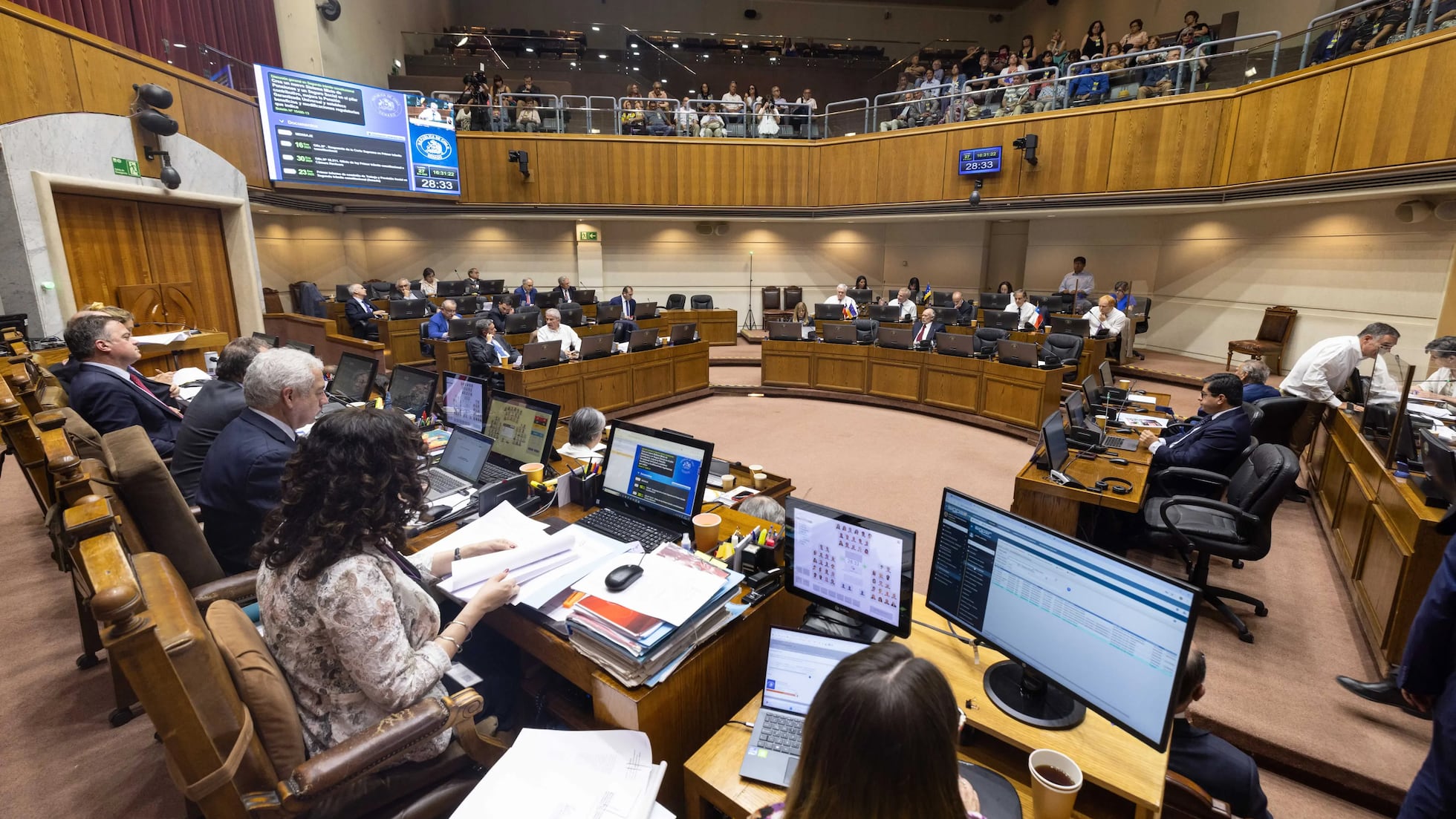
The Chilean Congress is processing a reform aimed at streamlining the administrative deportation of migrants who entered the country irregularly. The initiative grants the Undersecretary of the Interior new powers to order forced removals on public order grounds, allows authorities to enter private residences to carry out these measures, and shortens the legal window for challenging such decisions.
The bill, which also proposes strengthening biometric registration for foreigners, follows existing laws that classify unauthorized border crossings as a criminal offense. Furthermore, it reinforces restrictions that bar undocumented migrants from accessing state-funded social benefits.
The Limits of a Reactive Strategy
Analysts warn that relying on deportation as the primary tool for border control ignores fundamental practical barriers. According to experts, these processes face chronic obstacles, including the difficulty of locating individuals, a lack of cooperation from countries of origin, and the high operational costs associated with each removal.
The 2025 Annual Report from the National Institute of Human Rights (INDH) argues that the state must shift toward a model that balances enforcement with the effective management of human mobility. The organization emphasizes that an efficient migration policy requires regularization mechanisms that guarantee equality and prevent the discrimination of vulnerable groups.
Experts in the field point out that focusing migration policy exclusively on deportation turns the state into a reactive actor, undermining its ability to manage migration in a comprehensive way. Data suggests that migration contributes to the country through economic activity and tax payments, often exceeding the resources the state allocates to migrant services.
The controversy lies in balancing the state's right to regulate its borders with the protection of human rights. Critics of the new legislation argue that prioritizing immediate action over a long-term strategy prevents productive integration and increases risks for those in vulnerable situations. Legislative debate continues in Parliament as this restrictive trend in national migration policy solidifies.