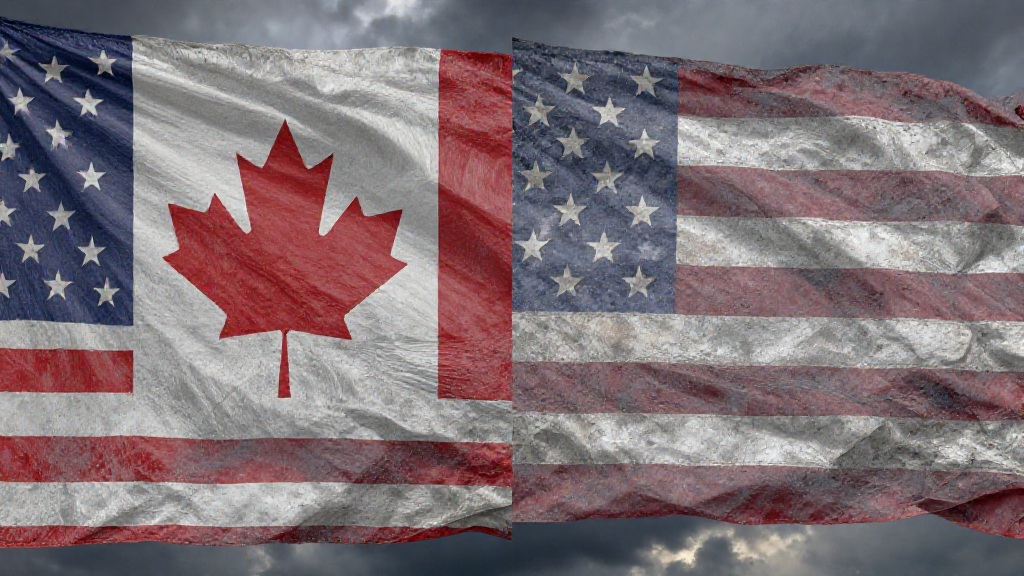
QUEBEC CITY – Canadian Prime Minister Mark Carney escalated rhetorical tensions with Washington this week, directly countering U.S. President Donald Trump’s recent declaration that "Canada lives because of the United States." Speaking at the opening of a critical Liberal cabinet meeting in Quebec City, Carney injected unscripted remarks emphasizing national autonomy.
The retort came just a day after President Trump addressed the World Economic Forum in Davos, Switzerland, where he suggested Canadian gratitude was owed to Washington. Carney responded forcefully: "Canada and the United States have built a remarkable partnership. In the economy, in security and in rich cultural exchange. But Canada doesn't live because of the United States," he stated. "Canada thrives because we are Canadian."
The impromptu addition to his prepared remarks signals a strategic hardening of Ottawa’s diplomatic stance, particularly as the government prepares for the resumption of parliamentary business and potential renegotiations of the Canada-United States-Mexico Agreement (CUSMA). Carney’s address adopted the tone of a domestic campaign kickoff, framing Canada as a necessary global 'beacon' amidst rising international protectionism and democratic fragility.
“In a time of rising walls and thickening borders, we can demonstrate how a country can be both open and secure, welcoming and strong, principled and powerful,” Carney asserted, implicitly contrasting Canadian values with the 'America First' posture emanating from the White House.
This assertive posture follows Carney’s address at Davos earlier in the week, where he warned that middle powers must coordinate to avoid being marginalized by great powers weaponizing economic integration. This warning drew a sharp response from U.S. Commerce Secretary Howard Lutnick, who suggested that if Canada pursues closer economic ties with China, it risks compromising its position in future trade negotiations with the U.S.
The cabinet meeting, convened at the historic Citadelle—a site once fortified against American incursions—is focused on domestic priorities including economic diversification, social investment, and defence modernization. Finance Minister François-Philippe Champagne backed the Prime Minister’s stance on diversification, noting, “Canadians have understood by now that diversification is key.”
However, the political pushback within Canada was immediate. Conservative Leader Pierre Poilievre criticized the government’s focus on rhetoric over tangible results, arguing that while trade with the U.S. is vital for Canadian jobs, the administration must deliver on economic execution. The exchange highlights the delicate balancing act facing the Canadian government: asserting sovereign economic independence while managing an inherently asymmetrical trade relationship with its dominant southern neighbor.
Source: Based on reporting by CBC News.