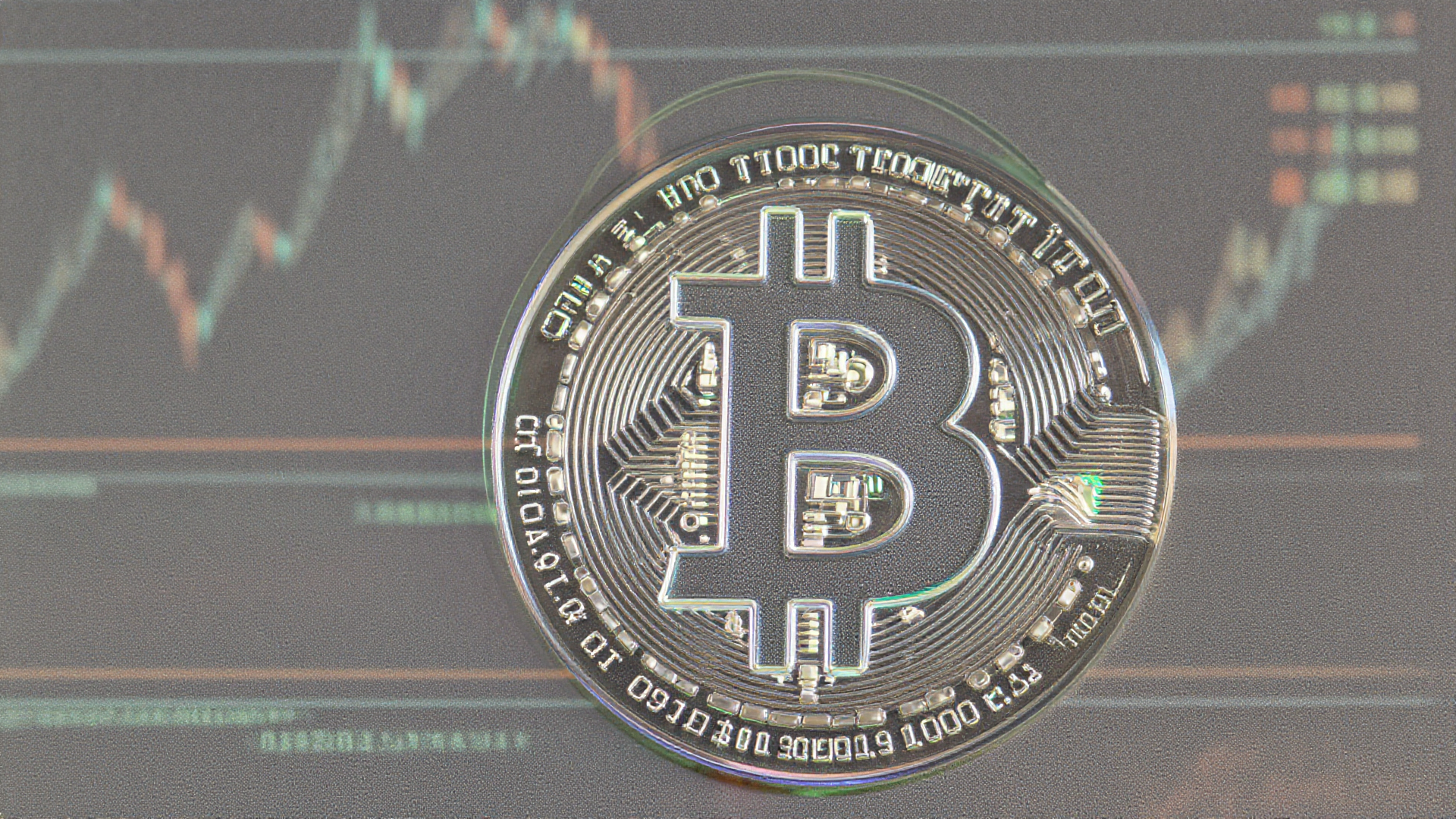
Bitcoin prices stabilized above $71,000 on Wednesday as geopolitical tensions eased following a new diplomatic initiative aimed at ending the conflict in Iran. The United States reportedly delivered a 15-point peace proposal to Tehran through intermediaries in Pakistan, marking a significant shift in regional security dynamics. This development triggered a broader market rally, pushing crude oil prices below the $100 threshold and lifting global equity indices across Asian trading sessions.
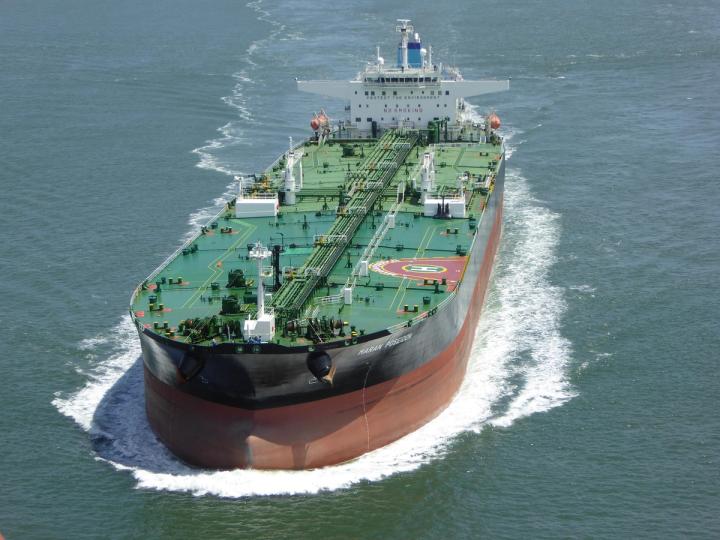
Brent crude oil dropped 4.7% to trade at $99.55 per barrel, breaching a psychological resistance level that had held firm since mid-March. The decline in energy costs reduces immediate inflationary pressures that have constrained risk appetite among institutional investors for the past month. Simultaneously, Asian stock markets climbed 1.9% as traders adjusted positions ahead of potential policy shifts in Washington and London.
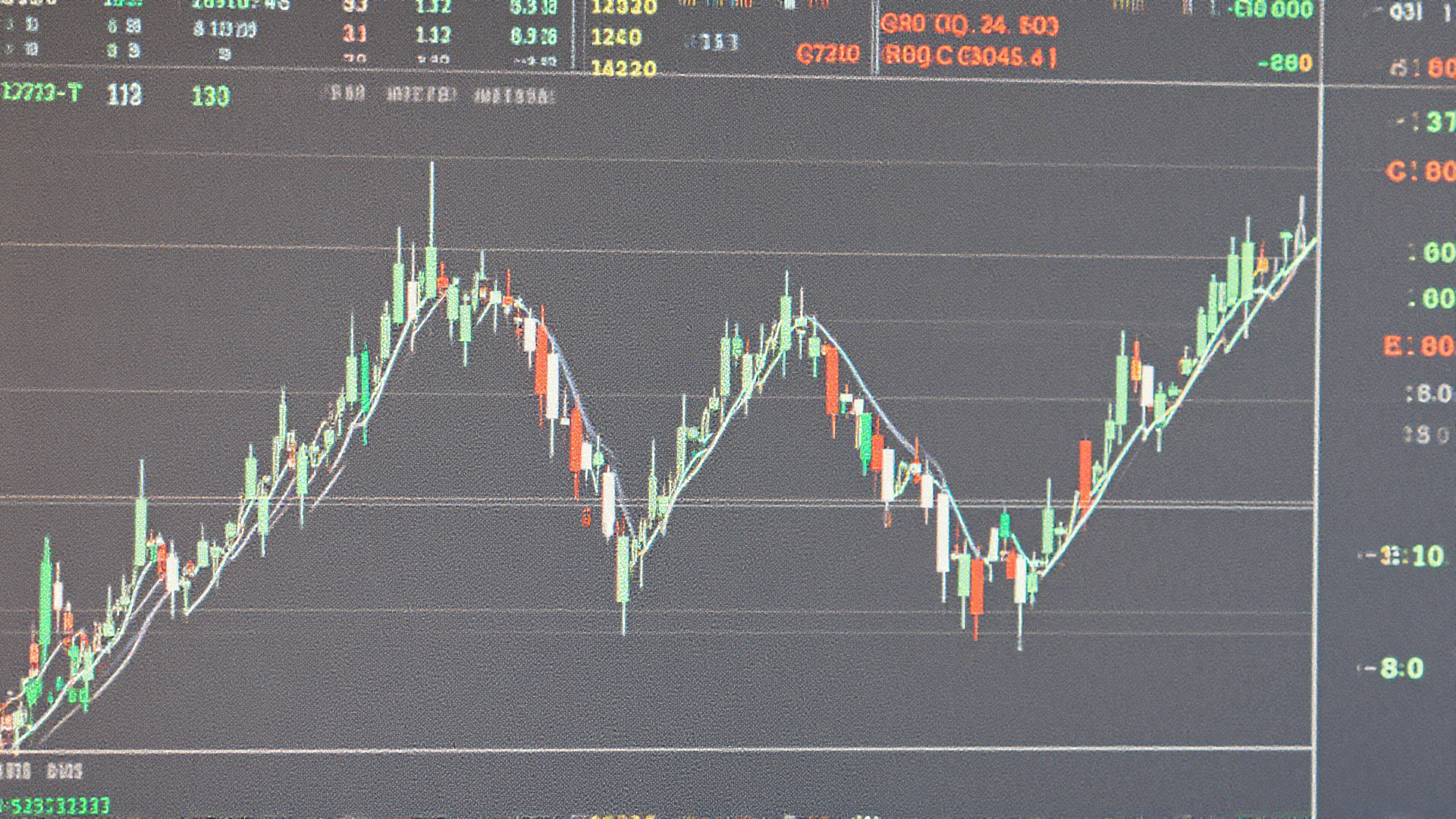
Bitcoin maintained its position above the seven-figure psychological barrier despite a volatile week that saw prices fluctuate between $75,000 and lower support levels. Daily trading data indicates a modest gain of 0.9% over the last 24 hours, though the asset remains down 6.4% over the preceding seven days. This stabilization suggests that market participants are absorbing recent geopolitical stress without triggering a mass liquidation event.
Major altcoins displayed mixed performance during the session, with Ether gaining 1.7% to reach $2,164 while still suffering a weekly decline of 9.2%. Solana posted a stronger daily return of 2.5% to trade at $91.69, but it has also lost 3.8% over the broader weekly timeframe. XRP and BNB trailed the market leaders with slight daily increases but recorded weekly losses of 8.5% and 6.8% respectively.
The proposed peace framework represents the most concrete diplomatic effort since the conflict officially began on February 28, according to multiple regional news outlets. Reports indicate that the structure includes strict prohibitions on Iran acquiring nuclear weapons or enriching radioactive materials for civilian use. Washington has publicly advocated for negotiations, though the specific terms and involved participants remained opaque until this recent development.
Alex Kuptsikevich, chief market analyst at FxPro, noted that Bitcoin holding key levels implies growing confidence among bullish investors despite the lack of immediate momentum. He stated in an email to CoinDesk that simply remaining at these high levels suggests the asset is finding support at current valuations. This sentiment contrasts with the whipsaw price action observed during the previous 48 hours of ultimatum panic.
Oil prices falling below $100 marginally improve the probability that the Federal Reserve will maintain current interest rates rather than implementing further hikes. A stable inflation environment helps preserve the liquidity conditions necessary for risk assets like cryptocurrencies to perform without excessive headwinds. Every dollar reduction in the crude price effectively lowers the odds of aggressive monetary tightening in the near future.
Bitcoin maintains an elevated 90-day correlation with the S&P 500, though sensitivity to macro news has been asymmetric throughout the duration of the war. The market has spent four weeks absorbing headlines, liquidation cascades, and energy shocks without breaking higher or collapsing lower. This consolidation phase indicates a period of accumulation rather than distribution among long-term holders.
Traders are now closely monitoring whether the 15-point plan leads to an actual ceasefire or if Tehran rejects the proposal within hours of receipt. Open interest in Bitcoin futures has reached a one-week high as leveraged positioning builds near the $72,000 resistance level. Repeated rejections at this price point have prompted some market participants to establish short positions despite broader optimism.
The coming days will determine if this diplomatic breakthrough translates into sustained economic stability or if it becomes another headline that fades quickly. Investors should watch for updates from the Strait of Hormuz, which remains effectively closed despite the truce talks. The resolution of this conflict will likely dictate the trajectory of global liquidity and asset valuations for the remainder of the quarter.