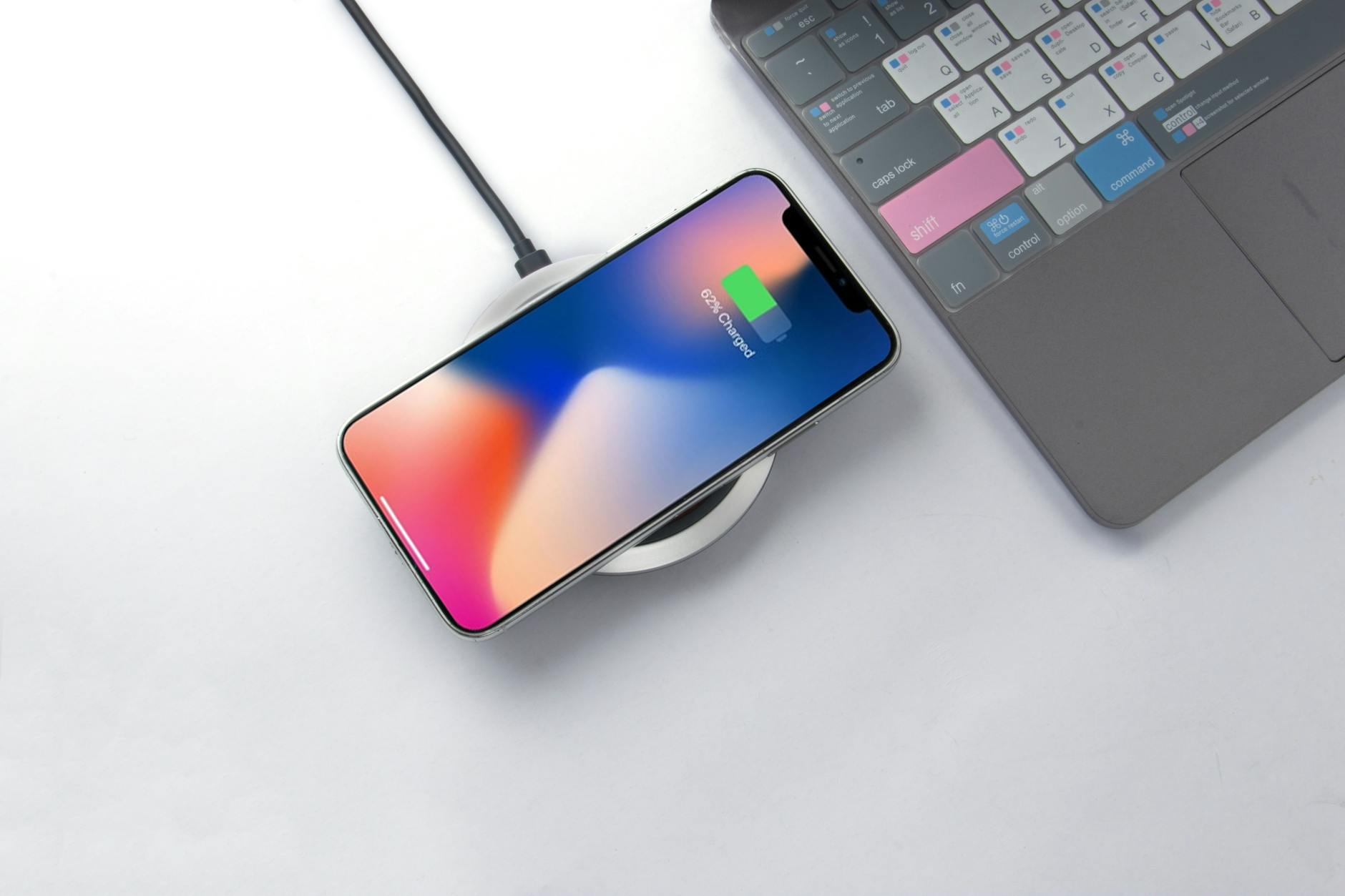
The End of the Physical Connection
The European Union is once again reshaping the global consumer electronics landscape. After successfully mandating the USB-C standard to reduce electronic waste, Brussels has set its sights on a more radical goal: a "portless" future. According to the latest European Commission directive, physical charging ports on mobile devices are set to be phased out by 2030, marking a transition toward a fully wireless ecosystem.
While USB-C currently serves as the universal standard, regulators view it as a temporary solution. The EU identifies physical ports as both a mechanical point of failure and a primary contributor to the massive volume of electronic waste generated by discarded cables and connectors. By mandating a shift to magnetic wireless charging, the union aims to streamline device longevity and environmental sustainability.
The Three Pillars of the Wireless Transition
The European roadmap for the next decade rests on three fundamental technological pillars:
1.Universal Wireless Charging (WPC):The EU will require all manufacturers to adopt a standardized, interoperable inductive charging protocol, likely an evolution of the current Qi2 and MagSafe standards. 2.High-Speed Data Protocols:With the removal of physical data ports, devices will rely on Ultra-Wideband (UWB) and advanced Wi-Fi protocols to transfer large files, ensuring that the absence of a cable does not impede data management. 3.Enhanced Durability:By eliminating the charging port, manufacturers can achieve superior IP69 ratings, rendering devices completely resistant to dust and water, as the chassis will no longer require an exposed opening.
A Roadmap to 2030
The transition is structured as a phased evolution. Following the recent "Unification" period (2024–2027), where USB-C became the mandatory standard, the industry will enter a "Wireless Transition" phase in 2028. By 2030, the sale of mobile devices featuring physical data or power ports will be prohibited within the European market.
Sustainability and Technical Hurdles
The primary driver behind this mandate is the reduction of electronic waste. The Commission estimates that millions of tons of cables are discarded annually. A portless design eliminates the need for copper connectors and gold-plated pins, while simultaneously removing the wear and tear associated with constant plugging and unplugging—a common cause for device repairs.
However, the transition is not without its challenges. The European Union has stipulated that wireless charging technology must reach a 90% energy efficiency rate before the 2030 deadline. This requirement is intended to prevent the massive electrical waste that currently plagues less efficient inductive charging systems compared to traditional wired connections.
The Industry Outlook
While the mandate may seem drastic, it aligns with the long-term design philosophies of major tech giants. Apple, in particular, has long explored the concept of a seamless, solid-glass device without external ports. For the average consumer, this means that while current USB-C accessories remain useful for now, the future of mobile technology is increasingly invisible. As Brussels makes clear, the era of the cable is coming to a definitive close, turning a design preference into a legal requirement.