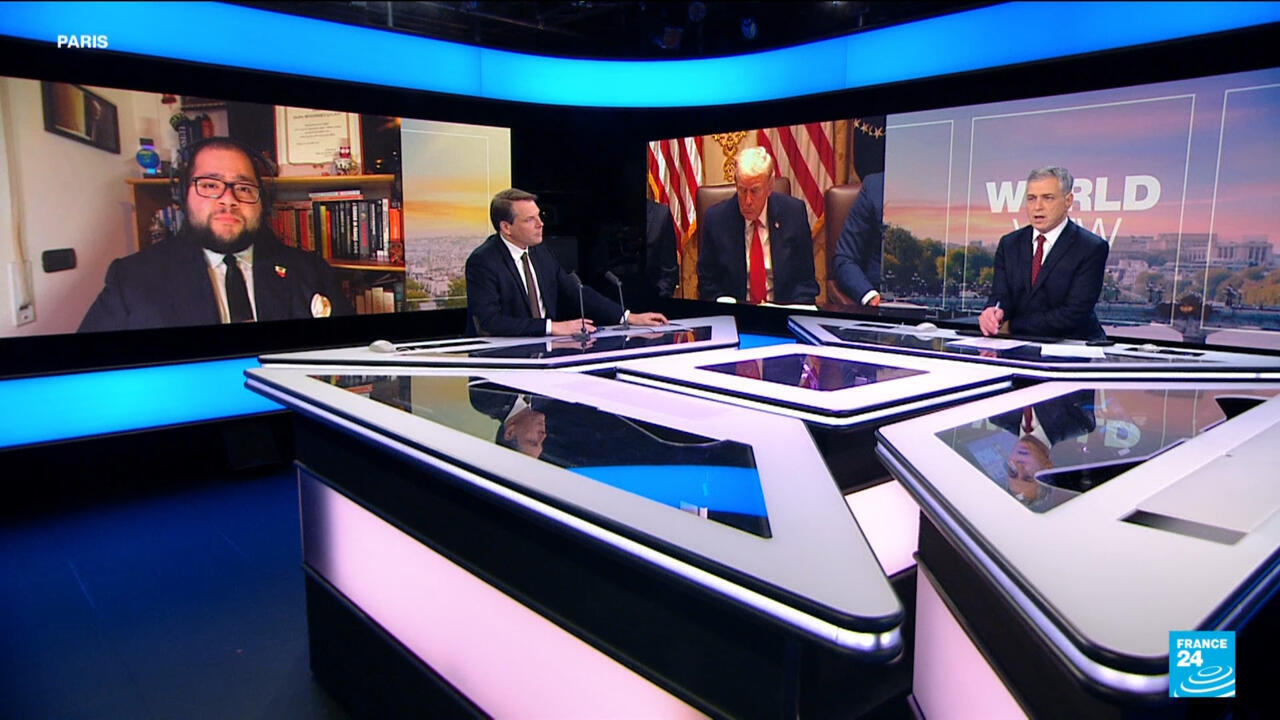
Shahin Modarres, Iran Team lead at ITSS Verona, stated that the European Union's designation of the Islamic Revolutionary Guard Corps (IRGC) as a terrorist organization is long overdue, according to commentary aired on January thirtieth. Modarres analyzed the dual role of the IRGC, describing it as a primary instrument of domestic repression against Iran's population of 85 million people. This perspective frames the decision as a necessary response to systemic state violence.
Modarres specifically criticized years of perceived European inaction regarding the IRGC's activities both within Iran and internationally. The analyst views the Guard Corps not only as a tool for suppressing internal dissent but also as a significant transnational actor funding and directing terrorist networks. This dual classification underpins the argument for immediate official designation by EU bodies.
According to Modarres, the continued status of the IRGC outside of terrorist lists has enabled its operations and potentially contributed to instability in surrounding regions. He warned that a failure to act decisively could precipitate further geopolitical crises, potentially manifesting as migrant flows across the European continent. Such flows would place added strain on EU border management and security frameworks.
The comments, aired during a broadcast reviewed by La Era, also touched upon the long-term implications of Western policy towards Tehran. Modarres explicitly called for greater accountability concerning any perceived complicity or enabling of the current regime’s actions through prior diplomatic or economic engagement.
While the EU has taken steps against specific IRGC officials and entities previously, a full organizational designation remains a significant political hurdle for member states. Such a move carries substantial economic weight, potentially triggering severe sanctions on any entity found to be transacting with the designated organization.
Geopolitical observers note that a full terrorist designation would fundamentally alter the EU's diplomatic and trade relationship with Iran. The move would align European policy more closely with Washington’s existing stance, which has long classified the IRGC as a foreign terrorist organization.
Future discussions within Brussels are expected to weigh the security imperative against potential risks to diplomatic channels concerning regional conflicts and nuclear safeguards. The pressure from analysts like Modarres signals mounting internal and external calls for a definitive policy shift regarding Tehran’s military apparatus.