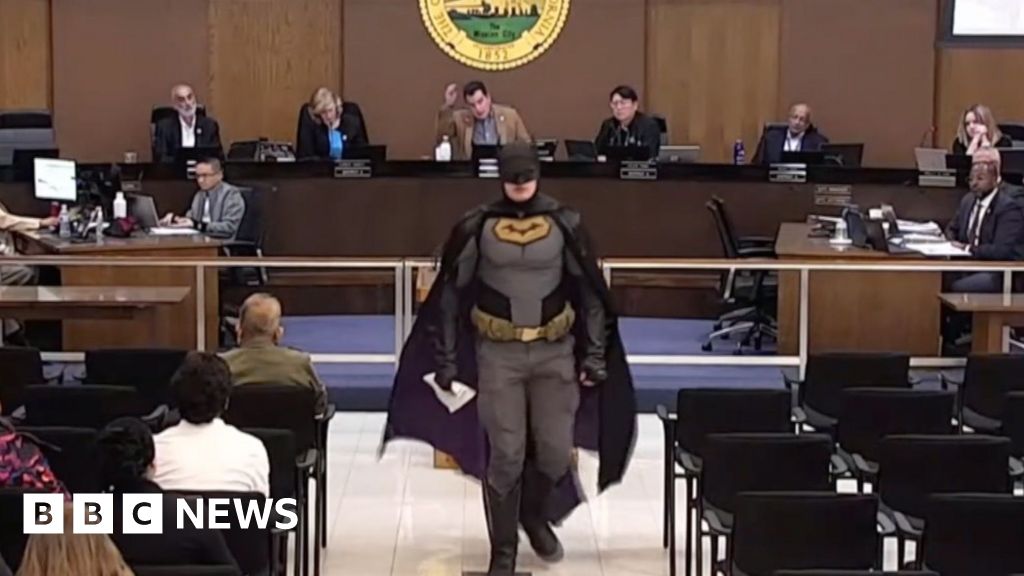
During a recent session, a man dressed in a Batman costume directly challenged Santa Clara City Council members concerning the anticipated presence of Immigration and Customs Enforcement (ICE) agents at Levi's Stadium for the football championship game. The activist reportedly stated that the city had ample time to prepare for the event and needed to publicly reaffirm that municipal resources must be dedicated solely to city functions.
Federal officers are reportedly expected to conduct immigration enforcement activities in the vicinity of the February 8th game between the Seattle Seahawks and the New England Patriots. This potential deployment of federal assets during a major international sporting event has raised concerns among civil liberties groups regarding civil rights enforcement.
While the source material mentioned unrelated global incidents, the core issue centers on local governance and the appropriate delineation of duties between city services and federal agencies like ICE. The activist's unusual attire sought to draw maximum attention to the policy question at hand, according to reports from the council meeting.
The demand centers on preventing local police or infrastructure from being used, intentionally or otherwise, to facilitate immigration arrests, a common point of friction in sanctuary jurisdictions across the United States. Such cooperation often involves data sharing or logistical support that critics argue extends beyond local mandates.
City officials have yet to issue a definitive public statement addressing the specific demands made by the costumed demonstrator regarding resource allocation for the event. The Super Bowl, a massive logistical undertaking, typically requires extensive coordination between various jurisdictional bodies.
The broader implication for municipal finance and policy involves setting precedents for handling federal requests during high-profile events. Cities frequently grapple with balancing security needs against commitments to protect undocumented residents from federal scrutiny.
This incident underscores the persistent political cleavage within the United States regarding immigration enforcement strategies and the role of local governments in that framework. Future city council agendas may see increased scrutiny over mutual aid agreements with federal entities.