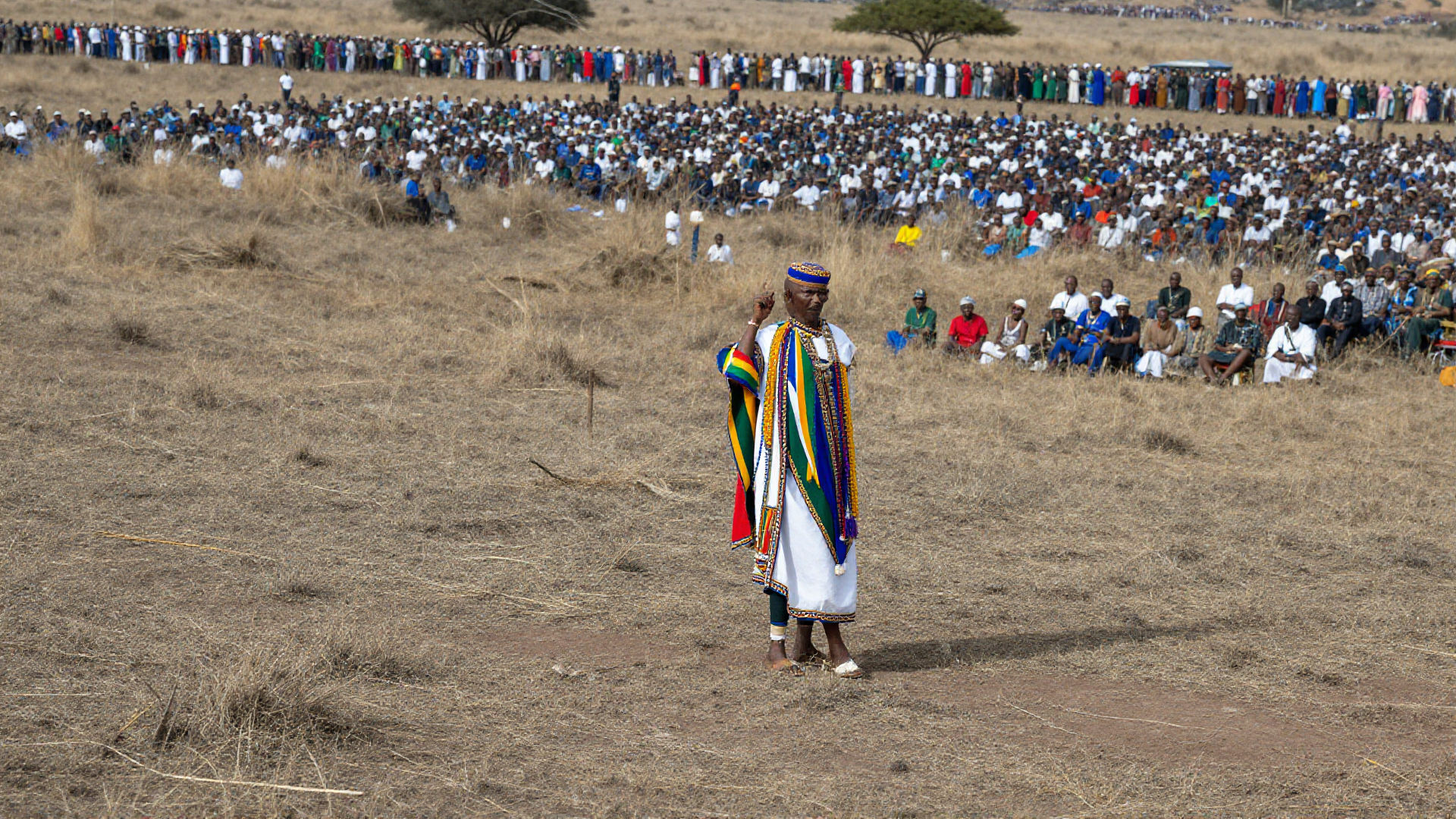
South Africa's Zulu King Misuzulu kaZwelithini recently used a major address commemorating the Battle of Isandlwana to call for the immediate departure of all foreign nationals from the country. The monarch addressed supporters on Thursday, using the offensive term 'kwerekwere' to describe African migrants from neighboring states like Mozambique and Zimbabwe. This speech, intended by royal envoys to address rising anti-migrant sentiment, instead appeared to validate it among segments of the Zulu base.
King Misuzulu stated unequivocally that all foreign nationals must leave, even if they are married to South African citizens or have children within the country. The statement was reportedly met with applause from the audience, highlighting the deep-seated nature of anti-immigrant frustration within the region. Despite possessing no formal political authority, the Zulu monarchy commands significant influence, overseeing a substantial budget and extensive communal land trusts in KwaZulu-Natal.
Official statistics indicate that South Africa hosts approximately 2.4 million migrants, representing about four percent of the national population, amidst a challenging economic backdrop. The country currently grapples with one of the world's highest unemployment rates, hovering near 33%, a factor often cited by populist political actors in their rhetoric against foreign labor. This economic anxiety fuels the perception that migrants are straining public resources and displacing local workers.
These comments resonate within a volatile socio-political environment already marked by vigilante action, as reported by La Era's correspondents monitoring the region. Groups such as Operation Dudula and March on March have recently escalated campaigns demanding the removal of undocumented foreigners, sometimes targeting public facilities like schools. Local authorities have condemned these actions, citing the spread of misinformation regarding the actual proportion of foreign students in public education.
Human rights experts expressed immediate concern over the monarch's pronouncements, noting the potential for ordinary citizens to interpret the royal decree as justification for extrajudicial action. Dr. Vusumusi Sibanda, an expert on African diaspora issues, described the words as 'unfortunate' for encouraging citizens to disregard the rule of law. Lizette Lancaster of the Institute for Security Studies similarly warned that the comments would only serve to 'fuel anti-migrant sentiment.'
Furthermore, the King revived his late father’s controversial proposal to formally rename the province to simply 'KwaZulu,' removing the 'Natal' component. Commentators warn this move could provoke political instability, echoing the ethnic tensions that nearly derailed South Africa's transition to democracy in the early 1990s. Cultural experts counter that the region is historically multicultural, arguing that such nomenclature would distort the region’s complex history.
While the King has previously been associated primarily with internal succession disputes, his recent statements signal a more pronounced engagement with populist political issues gripping KwaZulu-Natal. Analysts suggest that political opposition parties, including uMkhonto weSizwe, are likely to integrate these anti-migrant themes into their campaign strategies ahead of upcoming electoral cycles.