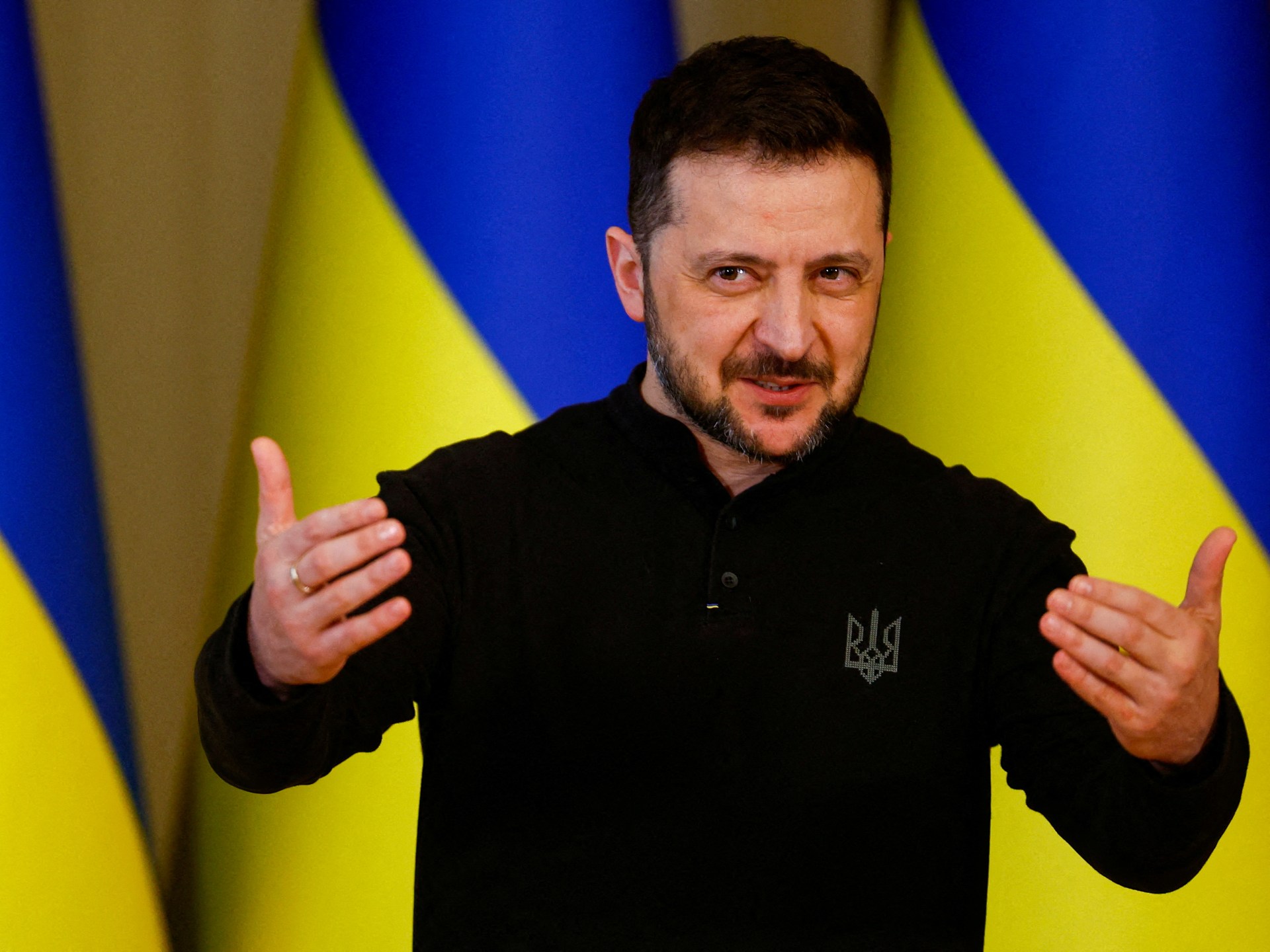
Ukrainian President Volodymyr Zelenskyy extended a direct invitation to Russian President Vladimir Putin to hold talks in Kyiv, stating he would meet him there if Putin "dares," according to reports on Friday. Zelenskyy confirmed his readiness for any negotiation format but explicitly ruled out meeting in Moscow or Belarus, given Russia's role as the aggressor and Minsk's complicity. News agency RBC-Ukraine confirmed these statements.
The invitation follows the Kremlin’s assertion on Thursday that it had again requested a meeting with the Ukrainian leader in Moscow without receiving a response. The context is an intensifying diplomatic push, with a second round of US-mediated negotiations scheduled for Sunday, following initial talks in Abu Dhabi last week. However, Zelenskyy noted that the date and location for the next round might shift due to external factors related to the situation between the United States and Iran.
US President Joe Biden announced on Thursday that Putin had agreed to a temporary halt in attacks on Ukraine’s energy infrastructure for one week, citing extreme cold weather as the reason for the accommodation. The Kremlin subsequently confirmed this agreement, with spokesperson Dmitry Peskov stating the Russian leader consented to the proposal. Zelenskyy confirmed that while strikes on energy targets ceased from Thursday night, Russia was reorienting its military focus toward logistics targets.
Ukrainian officials report that this military reorientation is causing significant disruption to civilian transport infrastructure. Ukrainian Prime Minister Yulia Svyrydenko stated on X that Russian forces launched seven attacks on rail infrastructure over the previous 24 hours, characterizing the action as deliberate terror targeting logistics routes. This military activity complicates the environment preceding the scheduled peace talks.
Despite the diplomatic overtures and the limited energy ceasefire, significant obstacles to a broader resolution persist. Reuters reported that key sticking points remain, including Russia’s demand for Ukrainian withdrawal from approximately one-fifth of the Donetsk region and the potential introduction of international peacekeepers post-conflict. These core territorial and security demands present substantial hurdles for any final agreement.
Furthermore, localized military pressure continues near the front lines. On Friday, the head of the Ukrainian military administration in Kharkiv, Oleg Synegubov, ordered the evacuation of families with children from seven villages in the northeast due to the close proximity of advancing Russian forces. This underscores the immediate security risks present despite high-level diplomatic engagement.
US officials maintain optimism regarding the process, with President Biden reportedly telling reporters that progress toward a war-ending deal is imminent. The success of the upcoming US-mediated talks will depend heavily on whether both sides can bridge the gap between stated negotiating positions and current military realities on the ground.