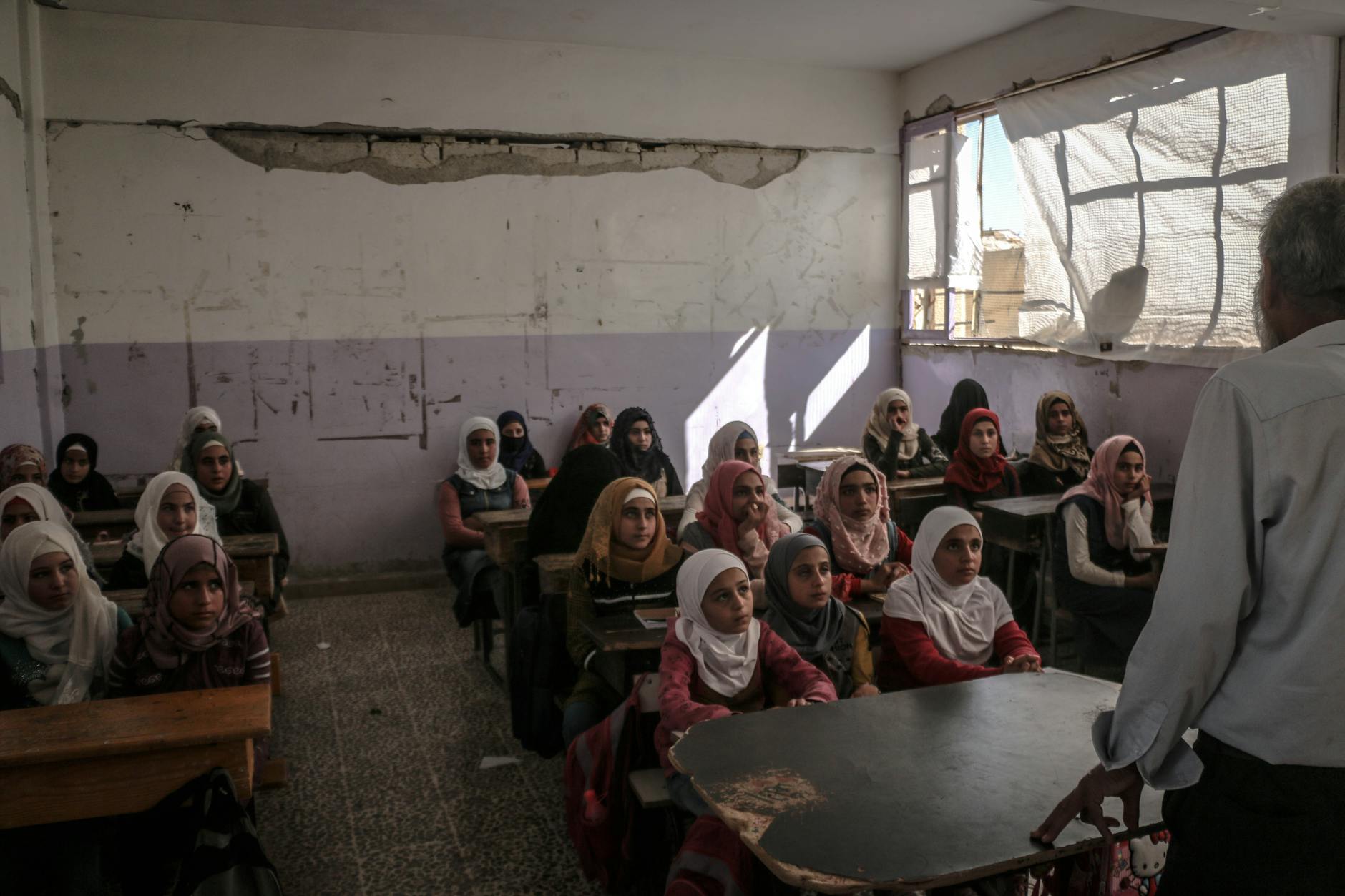
Mohammed Salem, a veteran educator with 31 years of experience in Mukalla, begins his day at a government-run school before moving to a private institution and finally finishing his night shift at a hotel. Faced with the collapse of the Yemeni riyal, Salem said he would work a fourth job if his schedule allowed it.
“I return home at night completely burned out,” Salem said. “Teachers are devastated and have no time to take care of their students. During classes, they are preoccupied with the next job they will take after school.”
Salem, a father of six, reports that his monthly income has plummeted from the equivalent of $320 a decade ago to just $130 today. This decline mirrors the broader economic catastrophe in Yemen, where the local currency has plummeted against the US dollar amid a protracted civil war between Houthi rebels and the internationally recognized government.
A system in ruins
The conflict has decimated state revenue streams, including oil exports, customs, and tax collections. Since the central bank relocated from Sanaa to Aden in 2016, salary payments for public sector employees have become increasingly erratic or stopped entirely in Houthi-controlled regions.
Even in government-held areas, teachers report stagnant wages that fail to keep pace with hyperinflation. The riyal, which traded at approximately 215 to the dollar before the war, now hovers around 1,560 to the dollar in government-controlled territories.
These financial pressures have forced many families into extreme survival strategies. Salem notes that his household has cut out protein sources like meat and fish, relying instead on basic staples like rice and onions. In some cases, he says, he lets his children sleep through breakfast to avoid the need for food.
“If we have money, we buy fish. When there is nothing, we eat rice, potatoes and onions,” Salem said. “We do not look for meat, and we can only get it during Eid through donations from the mosque or charities.”
The desperation has compelled some teachers to push their children into the military, where pay is often more reliable. Salem’s own child recently joined the service, where soldiers earn roughly 1,000 Saudi riyals ($265) per month—a figure significantly higher than a teacher’s salary.
Medical care has become a luxury. When his children fall ill, Salem says he relies on herbs and garlic at home, reserving hospital visits only for critical emergencies.