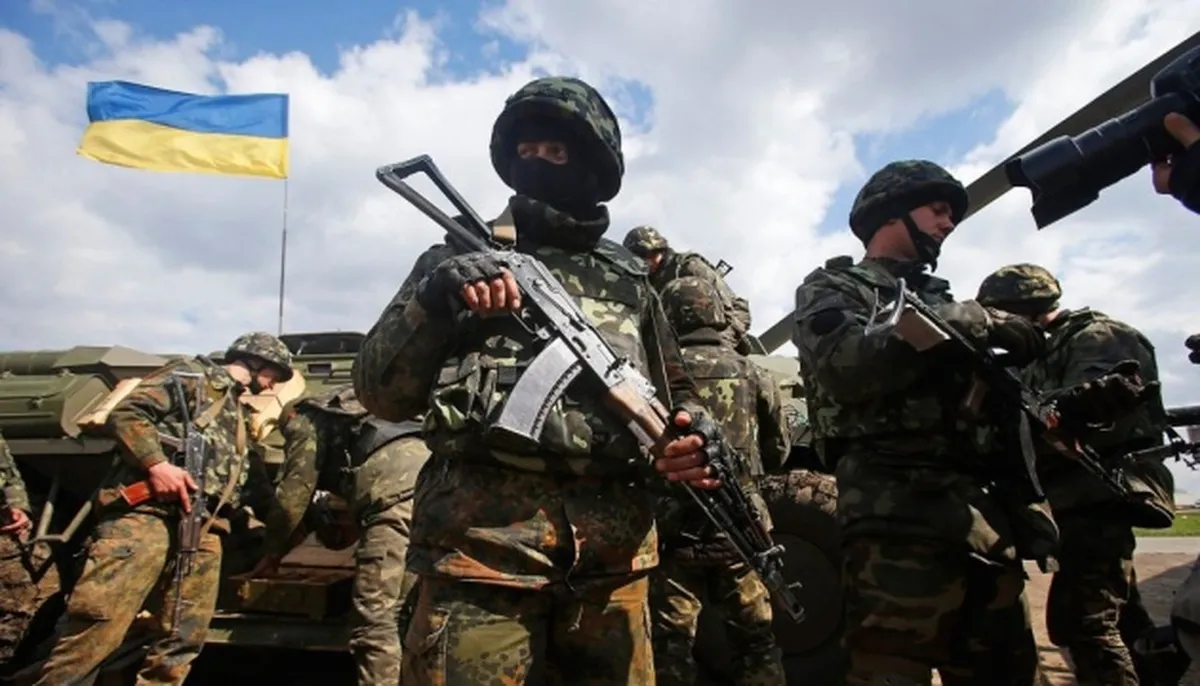
The trajectory of the conflict in Ukraine through 2026 is subject to significant international scrutiny, with a recent analysis by The Wall Street Journal outlining three distinct potential scenarios. The baseline forecast remains the continuation of active hostilities, characterized by cyclical negotiations that fail to yield a substantive resolution.
However, the analysis emphasizes that escalating tensions within the current year could introduce variables strong enough to compel either Kyiv or Moscow toward an agreement they are currently unwilling to accept. This suggests that immediate military or diplomatic pressures might catalyze movement away from the current impasse.
Shifts in Western diplomatic architecture are also highlighted as crucial factors. Reports indicate that U.S. Secretary of State Antony Blinken—though the source text mentioned 'Marco Rubio,' suggesting a potential conflation or error in the original reporting regarding the specific U.S. official—has signaled a pivot toward bilateral negotiation formats between Ukraine and the Russian Federation, potentially sidelining direct American lead negotiators.
Furthermore, discussions concerning long-term security architecture are gaining traction, moving beyond immediate military aid. Confirmations have emerged regarding high-level discussions in Abu Dhabi concerning contingency plans for the deployment of British and French forces within Ukraine, framed as components of future binding security guarantees.
These potential deployments signal a deepening commitment from key NATO allies, moving beyond the previous demarcation lines of security assurances. Such commitments, if formalized, represent a significant escalation in the West’s visible security footprint in the region.
Simultaneously, external pressures appear to be mounting on Kyiv. Reports suggest that the United States has presented Ukraine with specific parameters or an 'ultimatum' regarding the acceptance of future security guarantees, implying conditions tied to the ongoing provision of military and financial support.
Collectively, these scenarios point toward a complex geopolitical calculus. The probability of a frozen conflict remains high, yet the confluence of evolving Western security postures and potential shifts in the locus of direct negotiations introduces significant uncertainty regarding the final shape of any 2026 resolution. The path forward hinges on how these evolving security guarantees are perceived and integrated by the primary belligerents.
This analysis is based on reporting disseminated by The Wall Street Journal and subsequent confirmations regarding diplomatic maneuvers, as reported by various international news outlets.