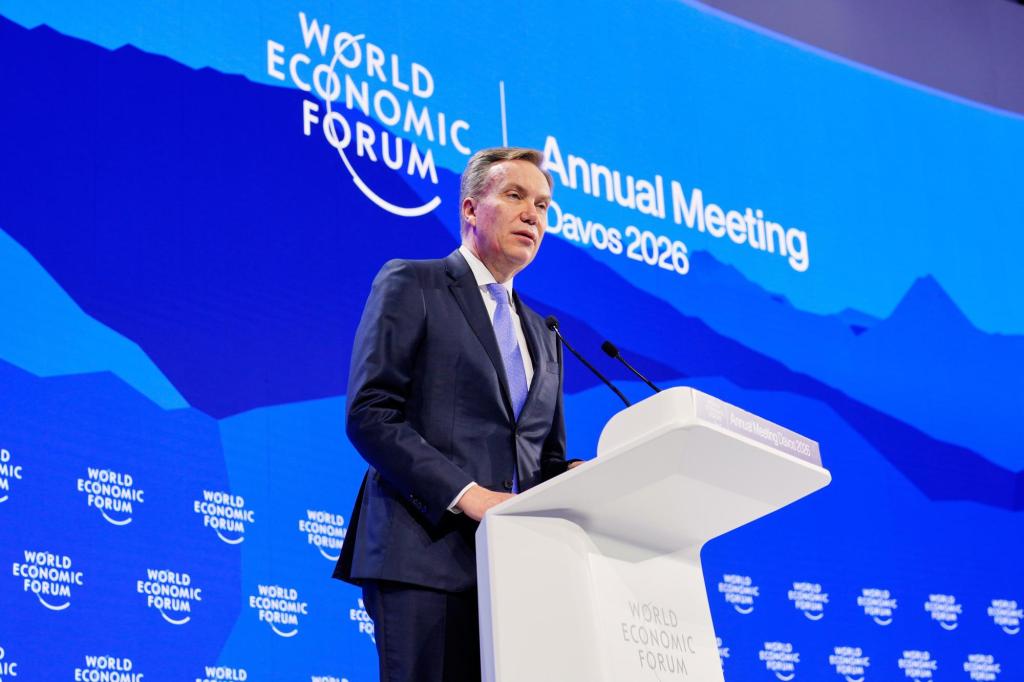
The World Economic Forum announced Thursday that President Børge Brende is resigning following intense scrutiny regarding his historical associations with the late disgraced financier Jeffrey Epstein, marking a significant leadership shakeup for the Geneva-based institution. The Swiss organization confirmed the leadership change in a formal statement released Wednesday evening after a months-long internal review into the former Norwegian foreign minister’s conduct. Brende stated he made the decision to step down to ensure the annual Davos summit proceeds without distraction or negative publicity.
In a formal statement released Wednesday evening, Brende expressed gratitude for his tenure and emphasized the need for the institution to focus on its core mission without external interference. He cited careful consideration as the primary driver behind his departure, though he did not explicitly mention the Epstein files in the public declaration regarding the specific allegations. The resignation marks a significant disruption for the prominent global gathering that convenes business and political leaders annually to discuss economic policy.
Brende served as Norway’s foreign minister from 2013 to 2017 and was among several high-profile Norwegians targeted by recent document releases from the Epstein network investigations. Investigations into the Epstein network have previously implicated various figures in the financial and political sectors for undisclosed interactions and financial transactions. The WEF opened an internal probe earlier this month after documents indicated the two men dined together multiple times in private settings during previous years.
WEF co-chairs André Hoffmann and Larry Fink addressed the situation by confirming the completion of an independent review conducted by outside counsel hired to assess the relationship. Their joint statement indicated that the findings revealed no additional concerns beyond what had already been publicly disclosed regarding the professional relationship between Brende and Epstein. Despite the lack of formal wrongdoing, the pressure from stakeholders and media coverage necessitated the leadership transition to protect the organization's reputation.
Prior to the resignation, Brende told Norwegian broadcaster NRK that he was fully cooperating with the ongoing investigation into his past connections with the controversial financier. He maintained that his interactions with Epstein occurred strictly within professional business settings and that he was unaware of the financier’s criminal background at the time of their meetings. This defense was crucial as the organization sought to maintain its reputation among its global membership base and partners.
Following the announcement, the forum appointed Alois Zwinggi to serve as the interim president and chief executive officer effective immediately to ensure continuity. The leadership change comes just ahead of the critical planning phase for the upcoming January summit in the Swiss Alpine resort of Davos where thousands gather. Hoffmann and Fink emphasized that the organization would continue its important work without interruptions during this transition period to maintain global stability.
This event highlights the increasing vulnerability of international institutions to scrutiny over historical associations with controversial figures in the global economy and society. Similar resignations have occurred in the past decade as digital archives and investigative journalism expose previously hidden networks of influence and undisclosed connections. The WEF has long positioned itself as a neutral platform for dialogue, making these allegations particularly sensitive to its operational model and funding structure.
The resignation underscores the broader geopolitical shifts occurring as global trust in traditional leadership structures faces renewed challenges from public scrutiny and ethical standards. Nordic countries have frequently been central to global governance discussions, and this controversy places additional pressure on Scandinavian political reputation among international peers. Analysts suggest this event could influence how other international bodies handle transparency regarding membership and leadership vetting processes in the near future.
Financial markets and corporate partners are closely monitoring the situation to assess any potential impact on the forum’s ability to facilitate deals and economic cooperation. The Davos summit has historically served as a venue for major economic announcements, and leadership instability could affect investor confidence in the organization's governance. Several major corporations have already expressed support for the WEF’s commitment to maintaining strict ethical standards moving forward.
Observers will now watch how the interim administration manages the fallout and whether additional disclosures emerge from the Epstein files in the coming weeks ahead. The organization must navigate this period carefully to preserve its standing as a premier hub for public-private cooperation and economic dialogue. The next phase of governance will likely involve a more rigorous vetting process for future leadership appointments to prevent similar controversies.