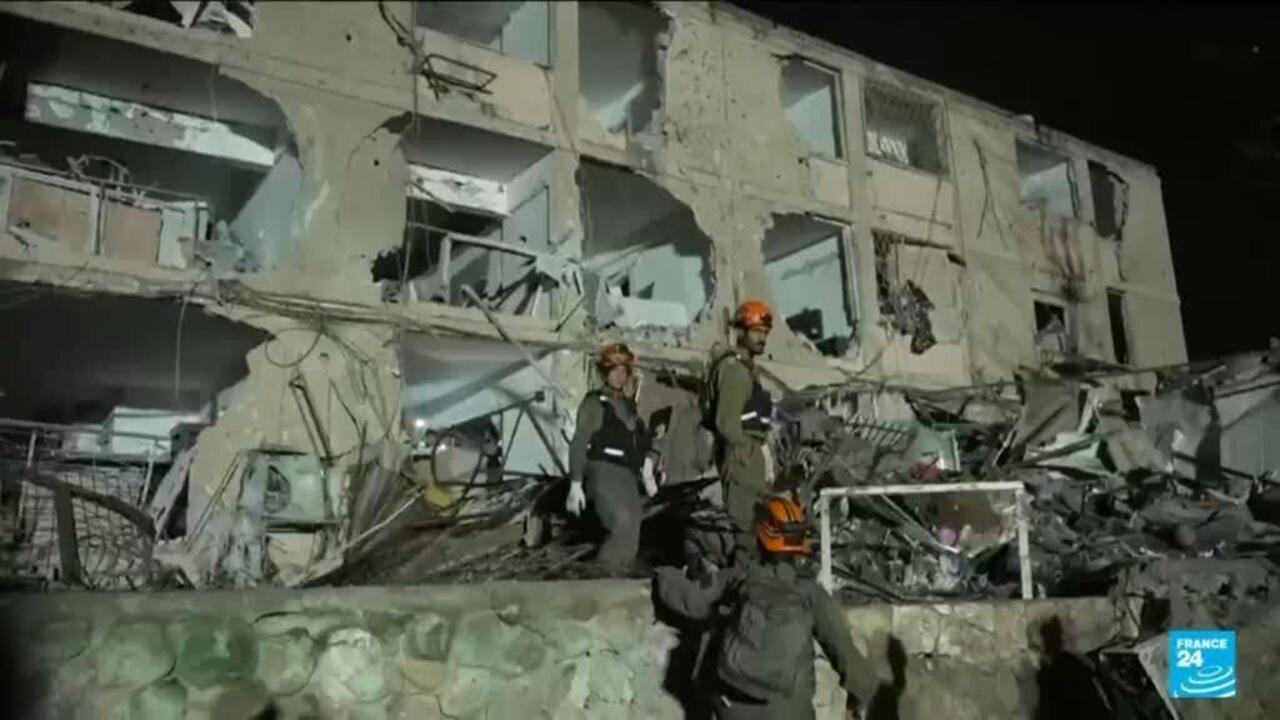
The World Health Organization confirmed on Saturday that a strike hit El-Daein Teaching Hospital in East Darfur, killing at least 64 people. The attack occurred on Friday and also wounded 89 individuals, including 13 children and medical staff. This incident marks the latest escalation in a conflict that has ravaged the nation for nearly three years.
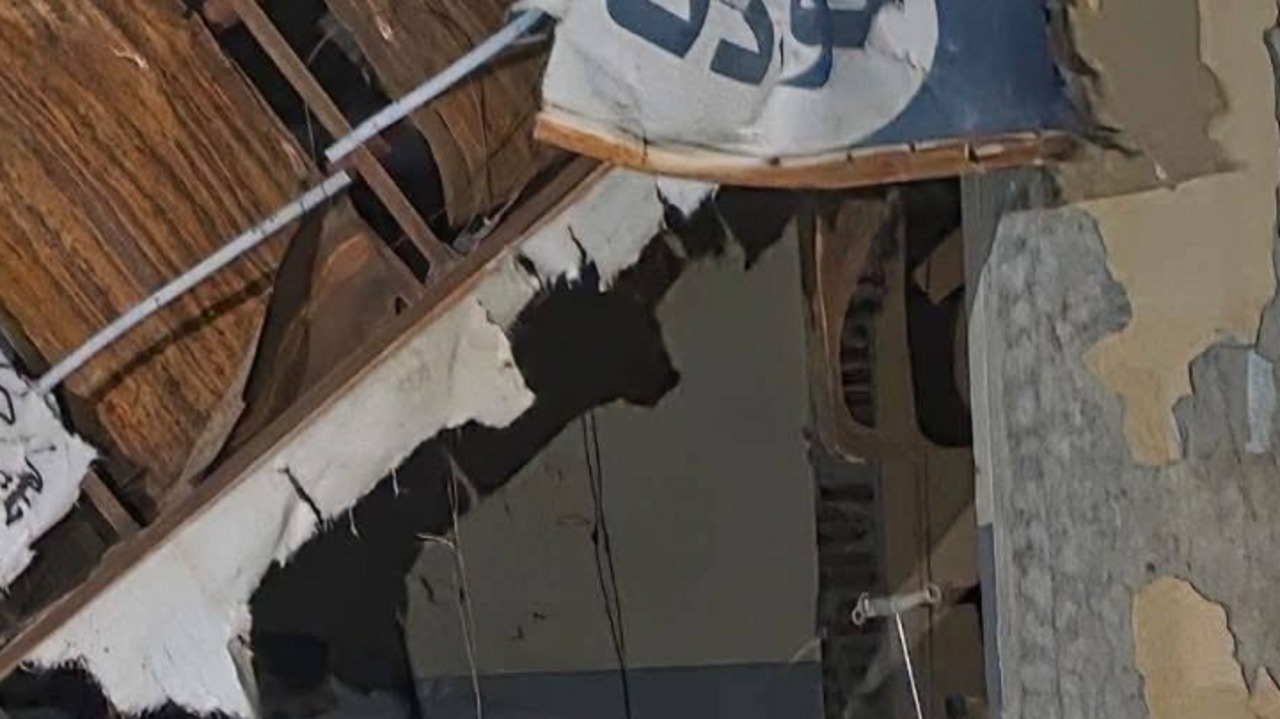
WHO Director-General Tedros Adhanom Ghebreyesus stated that the hospital was struck using heavy weapons, damaging critical departments. The facility now remains non-functional due to extensive damage to its paediatric, maternity, and emergency units. Health staff suffered significantly, with eight workers among the wounded reported in the initial assessment. The loss of these facilities severely impacts the region's ability to treat trauma cases effectively.
Emergency Lawyers, a Sudanese rights group, attributed the strike to a drone operated by the Sudanese army. The army maintains control over the eastern, central, and northern regions, while the Rapid Support Forces dominate Darfur. This specific strike occurred in El-Daein, an area currently under the control of the paramilitary group. The geopolitical division of power complicates the delivery of aid to affected zones.
In response, the Sudan Armed Forces issued a statement via the official news agency SUNA denying the accusation. The military claimed it adheres to international norms and accused the Rapid Support Forces of targeting health facilities persistently. This exchange highlights the ongoing denial and counter-accusation dynamic between the warring factions. Such rhetoric often hinders humanitarian negotiations required to secure safe passage for workers.
The World Health Organization Surveillance System for Attacks on Health Care tracks these incidents but does not assign blame. Their data indicates that attacks on medical infrastructure have become increasingly lethal over the past year. In 2025 alone, 65 attacks resulted in 1,620 deaths, accounting for 82% of global reported deaths from such incidents. This surge places a significant economic burden on international aid organizations trying to replace lost capacity.
The total number of people killed in attacks on health care during the civil war has now surpassed 2,000 individuals. This figure represents a stark increase compared to 2023, when 64 attacks caused only 38 deaths. The trend suggests a deliberate targeting of civilian infrastructure rather than collateral damage from combat. These statistics signal a deterioration in the rule of law within the conflict zones.
Near-daily drone strikes have become a hallmark of the brutal war, particularly in the southern Kordofan region. United Nations rights chief Volker Turk noted that parties continue using explosive weapons with wide-area impacts in populated areas. This strategy has contributed to what the UN describes as the world's largest displacement crisis. The widespread instability disrupts regional trade routes and agricultural production across the border, straining neighboring economies.
The conflict has fuelled a severe hunger crisis affecting more than 33 million people in need of humanitarian aid. Tens of thousands have died while more than 11 million people remain displaced from their homes. The destruction of hospitals exacerbates the inability of the population to access routine or emergency medical services. Economic contraction in the region further reduces local government revenue needed for public health and infrastructure.
Tedros Adhanom Ghebreyesus emphasized that peace is the best medicine and called for an end to the bloodshed. He urged the international community to ensure the protection of civilians, health workers, and humanitarians. The WHO is supporting local partners to scale up capacity at other facilities to fill urgent gaps. Diplomatic pressure is intensifying as global donors reassess funding commitments for the crisis.
Looking ahead, the international community faces pressure to address the widening humanitarian gap in the region. Continued attacks on infrastructure threaten to collapse the remaining health systems in the country. Stakeholders will monitor whether diplomatic efforts can de-escalate the conflict before further casualties occur. The long-term economic recovery of Sudan remains contingent on the restoration of basic security and stability.