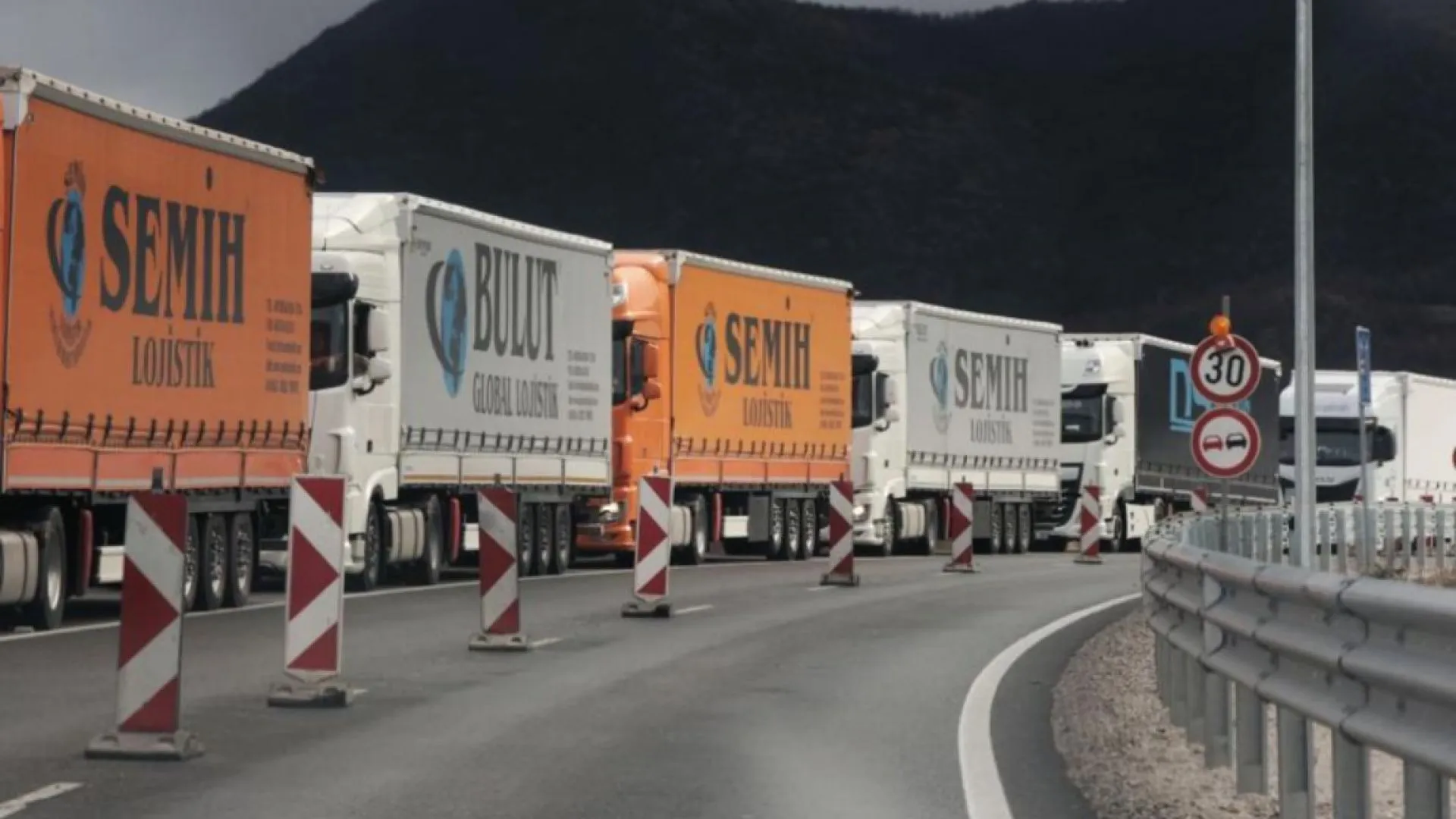
Truck drivers across the Western Balkans initiated border terminal blockades affecting routes into the European Union due to the implementation of new Schengen zone travel rules. The protests are currently active in Bosnia and Herzegovina, Montenegro, North Macedonia, and Serbia, effectively stopping movement along vital trade corridors connecting the region to Turkey and the Middle East.
This coordinated action stems from opposition to the new European Travel Information and Authorisation System (ETIAS), which carriers argue complicates their operations and threatens established revenue streams. The disruption has caused significant economic fallout for the affected nations, according to local trade bodies.
Marko Čadež, the President of the Serbian Chamber of Commerce, reported that the blockade has paralyzed approximately ninety-three percent of exports originating from the four protesting countries. This standstill has reportedly inflicted commercial losses estimated at around ninety-two million euros.
Governments in the region are escalating diplomatic efforts to mitigate the crisis. The Montenegrin administration formally appealed to the European Union, requesting that the specific operational needs of regional transporters be addressed in the regulatory framework.
Serbia has announced plans to initiate direct negotiations with the European Commission regarding the potential implementation of special visa categories or alternative permit structures for its carriers. These discussions aim to find a regulatory pathway that eases the burden imposed by the ETIAS system.
The blockades underscore the economic fragility of the Western Balkan nations’ integration with the EU single market. While ETIAS aims to bolster external border security, its immediate impact is creating significant logistical friction for established trade partners.
Broader geopolitical implications include potential strains on regional cooperation as nations balance their EU accession goals with the immediate economic pressures faced by domestic industries. The speed and scale of the reaction suggest underlying sensitivity to new non-tariff barriers imposed by Brussels.