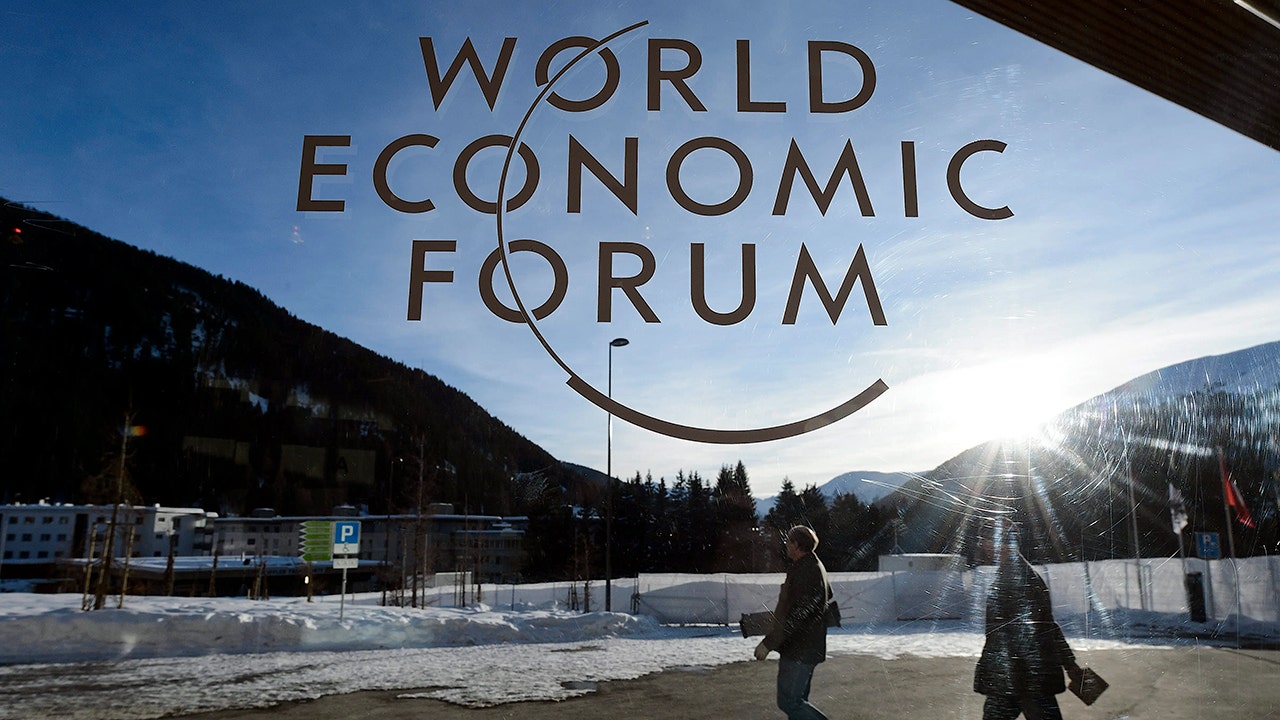
The World Economic Forum President Børge Brende resigned on Feb. 26 following an independent investigation into his communications with convicted sex offender Jeffrey Epstein. Authorities confirmed Brende held three dinners and exchanged emails with the financier before his death in 2019. This development marks a significant blow to the organization known for hosting global leaders annually in Davos.
Brende stated he would have declined invitations had he known about Epstein’s criminal background. An investigation earlier in February uncovered the extent of the correspondence between the two men. Observers note that Epstein’s 2008 conviction was public record and should have been easily verifiable.
Ben Habib, leader of the British political party Advance UK, argued that public figures must know who they align with. Alan Mendoza from the Henry Jackson Society emphasized that authorities should exercise caution regarding their social connections. These comments highlight growing skepticism about the vetting processes at high-level summits.
This incident follows a previous controversy involving WEF founder Klaus Schwab, who stepped down in July after allegations of fund misuse. The board later cleared Schwab and his wife of material wrongdoing despite noting minor irregularities in financial reporting. The recurrence of scandals raises questions about the stability of the institution’s governance structure.
Political leaders have also criticized the forum’s ideological direction during recent meetings. Argentina President Javier Milei spoke at Davos in 2024, warning that the West faces danger from collectivist visions. He cited Argentina’s inflation drop from over 200% to 32% since taking office as evidence of economic reform success.
U.S. Commerce Secretary Howard Lutnick attacked the globalization model at this year’s Davos meeting. Lutnick claimed the WEF encouraged manufacturing offshoring which left America behind in the global economy. He advocated for an America First approach prioritizing domestic workers over international supply chains.
Lutnick also questioned Europe’s net-zero energy goals given its reliance on Chinese battery production. China accounts for approximately one-third of global renewable energy production compared with 11% in the United States. Critics argue pursuing these targets without domestic capacity creates geopolitical dependency on Beijing and limits Western economic sovereignty.
Ben Habib described the WEF as an embodiment of power where big money diverts policy toward specific interests. He suggested the organization may have misled the public regarding economic promises made by globalist groups. The combination of leadership resignations and public criticism suggests a crisis of confidence.
Analysts are watching closely to see how the WEF responds to these accumulating pressures. Future invitations and board composition may shift as stakeholders demand greater accountability. The organization’s ability to maintain influence depends on restoring trust among international partners.