Washington to Control Venezuelan Oil Revenue Flow Post-Sanctions Easing: A New Geopolitical Lever
The Trump administration plans to directly oversee the sale and disbursement of Venezuelan crude revenues, establishing a US-controlled escrow mechanism. Secretary of State Marco Rubio confirmed the interim measure aims to fund basic services under strict Washington oversight following the recent political transition.
Washington to Control Venezuelan Oil Revenue Flow Post-Sanctions Easing: A New Geopolitical Lever
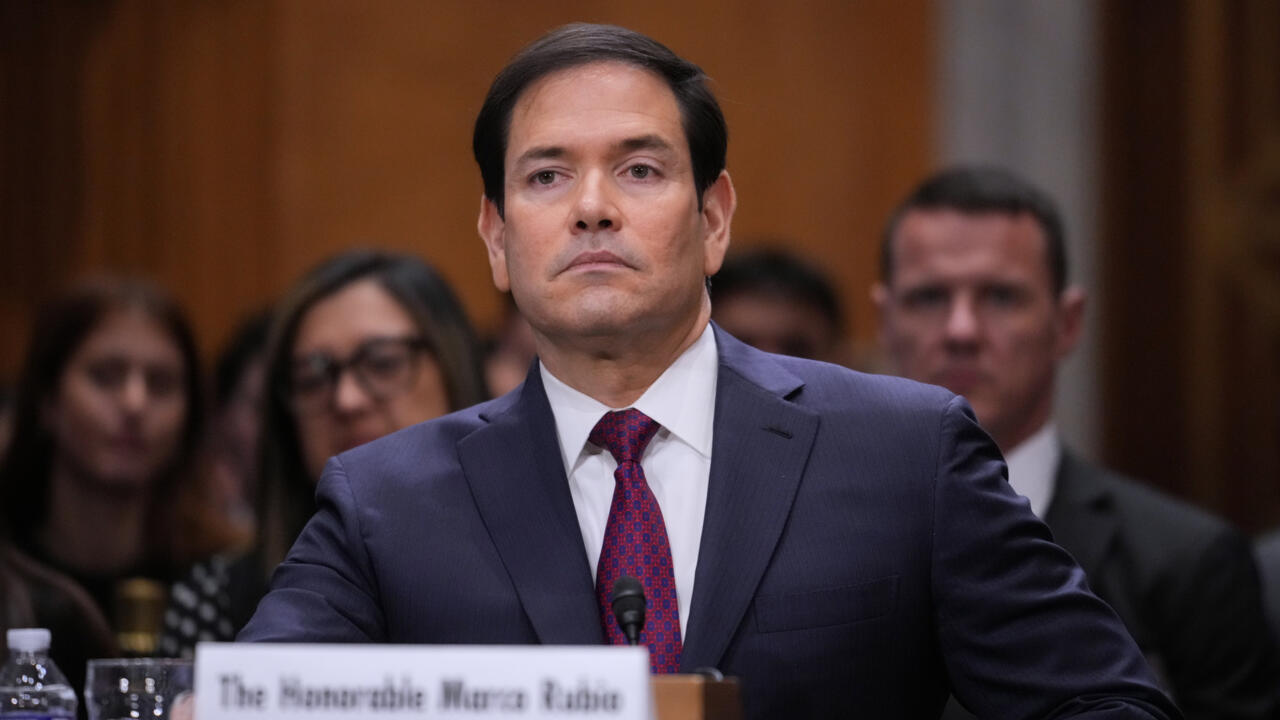
The United States is preparing to reintroduce Venezuelan crude onto global markets, but under a distinctly controlled framework, signaling a significant shift in the economic leverage applied to the South American nation. Secretary of State Marco Rubio detailed the plan before the Senate Foreign Relations Committee on Wednesday, outlining a mechanism where the US Treasury would effectively manage the flow of funds derived from sanctioned petroleum sales.Rubio confirmed that as the administration facilitates the lifting of sanctions on Venezuelan oil—a commodity derived from the world’s largest proven reserves—the resulting revenue will not flow freely to Caracas. Instead, proceeds will be deposited into an account subject to strict US oversight. This measure is framed as an “interim step” designed to prevent systemic collapse while a political recovery and transition process unfolds.“The funds from that (oil sales) will be deposited into an account that we will have oversight over,” Rubio stated, specifying that initial disbursements would be earmarked for essential government functions, including policing and healthcare, contingent upon monthly budget submissions approved by Washington.This revelation follows recent high-level political action in Venezuela, including the apprehension of former President Nicolas Maduro. The US strategy appears centered on using the nation’s vast hydrocarbon wealth as the primary tool to shape post-conflict governance and economic stability. Rubio emphasized that the control mechanism ensures revenue benefits the Venezuelan populace, contrasting it with the previous administration, which allegedly channeled oil profits to corrupt leadership and strategic partners like China.The operational details suggest a complex financial architecture. Rubio noted that the controlled fund was initially structured in Qatar to navigate existing legal complications and avoid seizure by American creditors, while maintaining US oversight as a “blocking mechanism.” He clarified that while the account belongs to Venezuela, the US controls the dispersal, not the underlying capital.However, the plan immediately drew scrutiny from lawmakers. Senator Chris Murphy (D-Conn.) voiced skepticism, questioning the fairness of the process. “You are taking their oil at gunpoint, you are holding and selling that oil … you’re deciding how and for what purposes that money is going to be used in a country of 30 million people,” Murphy warned, suggesting the arrangement was “destined for failure.”The US confirmed it would not subsidize investments to revive the heavily degraded oil industry as part of this revenue control phase. Meanwhile, the interim leadership in Caracas has shown willingness to engage, with officials noting “respectful and courteous channels of communication” with the US administration since the political shift. Venezuelan lawmakers are reportedly already debating energy law overhauls intended to attract necessary private foreign investment, potentially aligning with US long-term goals for the sector.Source: Adapted from France24 reporting.