Testimonies from Iranian medical professionals reveal scenes of 'apocalyptic' chaos following the nationwide protests sparked by economic distress. Doctors described injuries consistent with live-fire combat, as security services reportedly overwhelmed healthcare systems and instilled fear that drove many wounded underground.
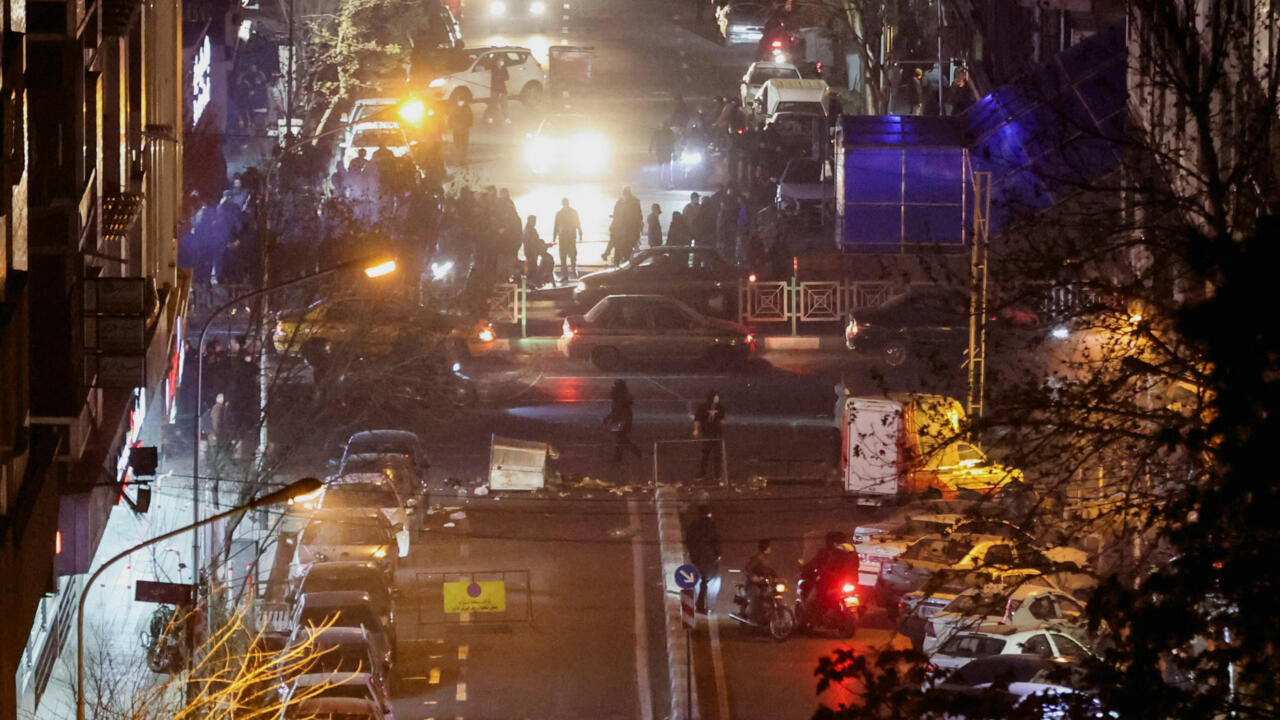
Emerging accounts from Iranian doctors who have since left the country paint a grim picture of the security forces' response to the nationwide protests that erupted following a sharp devaluation of the Iranian rial. The demonstrations, initially rooted in cost-of-living grievances, escalated into a major political confrontation met with extreme violence, the scope of which is only now becoming clear after a significant internet blackout.Medical personnel mobilized during the peak of the unrest, particularly on the evenings of January 8th and 9th, reported scenes of unprecedented chaos. One physician described the influx of wounded as resembling a wartime scenario, noting that medical facilities were rapidly saturated. The prioritization of care became a grim necessity as dozens of patients, many suffering from gunshot wounds, flooded emergency departments.The nature of the injuries shifted dramatically after midnight on January 8th, according to these accounts. Doctors observed a transition to the use of live ammunition, suggesting orders were given to shoot indiscriminately into crowds. Wounds concentrated on the head, face, and torso indicated that many victims were struck while attempting to flee, rather than in targeted confrontations. One doctor noted the disturbing sight of patients ranging from elderly individuals to teenagers as young as 14.A wave of solidarity briefly emerged within the medical community, with private hospitals reportedly treating patients free of charge, refusing no one. However, the pervasive security presence complicated treatment. Many injured protesters actively avoided official medical centers for fear of immediate arrest, opting instead for clandestine care in private homes under severely limited conditions, often lacking essential pain management.Human rights organizations corroborate the severity of the state response. Amnesty International has documented the use of assault rifles and heavy machine guns fired continuously and indiscriminately into crowds, suggesting “mass unlawful killings on an unprecedented scale.” Estimates of fatalities vary widely, with some human rights monitors placing the death toll in the thousands, and internal sources suggesting potentially tens of thousands killed in just those two critical nights.The systemic suppression extended to the medical records themselves. Reports indicate intelligence agents sought to collect radiological images showing bullet wounds, while some doctors reportedly entered false diagnoses to shield patients from scrutiny. This environment of surveillance has left many survivors in hiding, fearing identification through hospital CCTV footage and facial recognition technology.The long-term economic and social implications of this crackdown are significant. The state’s willingness to employ military-grade force against its own populace, coupled with the resulting mass arrests and brain drain of medical professionals, signals a deepening internal security posture that will likely stifle economic recovery and foreign investment prospects. The suppression of dissent, executed with such brutality, underscores the regime's prioritization of internal control over civil liberties and economic stability.This report is based on testimonies gathered by France 24 and corroborated by international human rights monitoring groups.