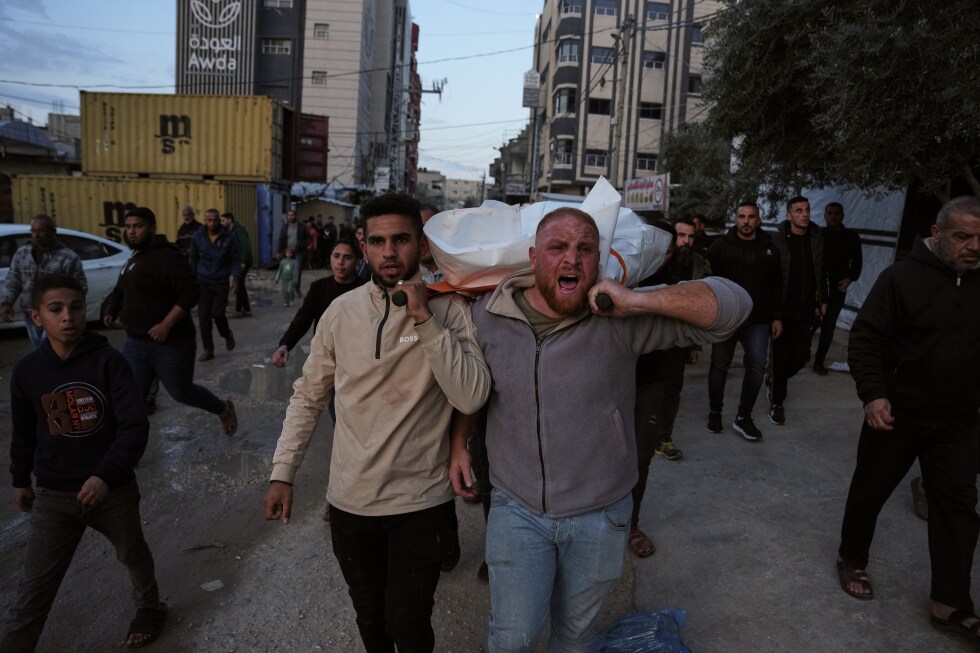
The human cost of the Russia-Ukraine war remains the most immediate casualty, as documented by reports tracking conflict-related fatalities across the nation. The United Nations Human Rights Monitoring Mission in Ukraine confirmed that conflict violence killed two thousand, five hundred, fourteen civilians and injured over twelve thousand others in 2025 alone. This ongoing attrition strains public services and domestic resilience in ways that transcend immediate battlefield assessments.
Geopolitical analysis suggests the military losses are staggering for both Moscow and Kyiv, with significant implications for regional power dynamics. A report from the Center for Strategic and International Studies estimates nearly two million combined Ukrainian and Russian soldiers have been killed, wounded, or gone missing since the invasion began. Moscow’s estimated losses reportedly exceed those sustained by any major power since the Second World War, according to the Washington, DC-based think tank.
Beyond the battlefield, Ukrainian leaders and mental health professionals express deep concern over the pervasive psychological impact on the civilian population. Kseniia Voznitsyna, founder of a veteran rehabilitation centre, noted that the future of the economy and employment prospects remain open questions following the devastation. The constant threat of strikes, even against civilian infrastructure in winter months, compounds this pervasive sense of insecurity.
Oleksandra Matviichuk of the Nobel-winning Center for Civil Liberties emphasized that daily planning is now nearly impossible under conditions of complete uncertainty. She noted that the constant fear stemming from Russian missile attacks means there is effectively no safe location within the country. This sustained operational tempo of conflict directly impedes long-term economic forecasting and investment stability.
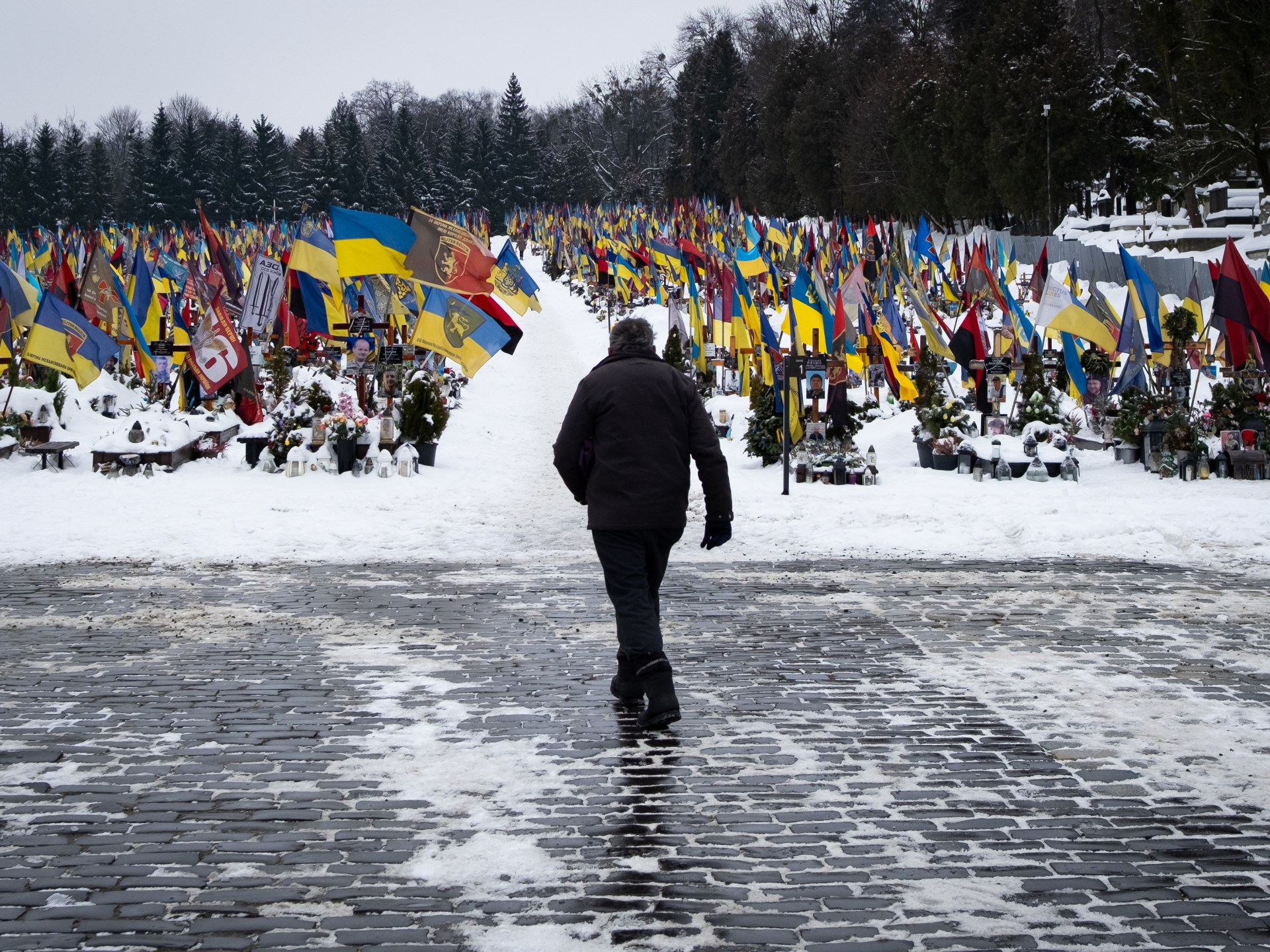
Even as citizens cope with personal tragedies, such as the loss of family members who served in the military, a narrative of determined resilience is being forged. One student in Lviv, whose father was killed in action, cited the community’s focus on mutual support as a defining characteristic of their response. This stoicism reflects a necessary adaptation to prolonged existential threat.
However, experts caution that the scale of mental health challenges is unprecedented, with a UN Women representative in Ukraine stating that nearly everybody in the country exhibits some form of mental health issue. Addressing this latent societal trauma will require substantial, sustained international support well after active hostilities cease.
Ultimately, the conflict is shaping a generation defined not by the trauma endured, but by the mobilization required to overcome it, according to those observing daily life. The long-term economic implications hinge on Ukraine's ability to transition from wartime survival to post-conflict reconstruction and societal healing.