The international jury of the Venice Biennale resigned on Thursday, nine days before the prestigious art event was scheduled to open. The mass resignation follows a decision to bar prizes for countries accused of crimes against humanity, specifically targeting Russia and Israel, according to reporting by France24.
The move has forced organizers to postpone the announcement of winners, which typically occurs at the opening, until the fair concludes in November. This decision follows growing geopolitical friction that has begun to affect international trade and diplomacy beyond the art world.
Grain disputes and diplomatic friction
Parallel to the art world crisis, tensions between Kyiv and Jerusalem have escalated over the movement of Russian-linked cargo. The Israeli Grain Importers Association reported on Thursday that a Russian vessel allegedly carrying wheat from occupied Ukrainian territories was denied permission to unload in Israel.
Israeli wheat importer Zenziper refused to unload the ship due to pressure exerted by Ukraine, the association stated. According to The Jerusalem Post, the Russian supplier of the cargo must now seek an alternative destination.
Ukrainian Foreign Minister Andrii Sybiha characterized the refusal as a victory for Ukrainian legal and diplomatic efforts. He issued a warning to the global maritime industry regarding the cargo.
“This is also a clear signal to all other vessels, captains, operators, insurers, and governments: Do not buy stolen Ukrainian grain,” Sybiha said, as reported by The Jerusalem Post.
“Do not become part of this crime,” he added.
Sybiha also noted that Ukraine intends to continue tracking the specific vessel and will issue warnings against any operations involving it. He emphasized that while Ukraine and Israel maintain friendly relations, the trade of grain allegedly stolen by Russia must not undermine that bond.
This maritime dispute follows recent criticisms from Ukrainian President Volodymyr Zelensky, who told the press earlier this week that accepting grain stolen by Russia cannot be considered legitimate business. Zelensky has threatened to impose sanctions on those attempting to profit from such practices.
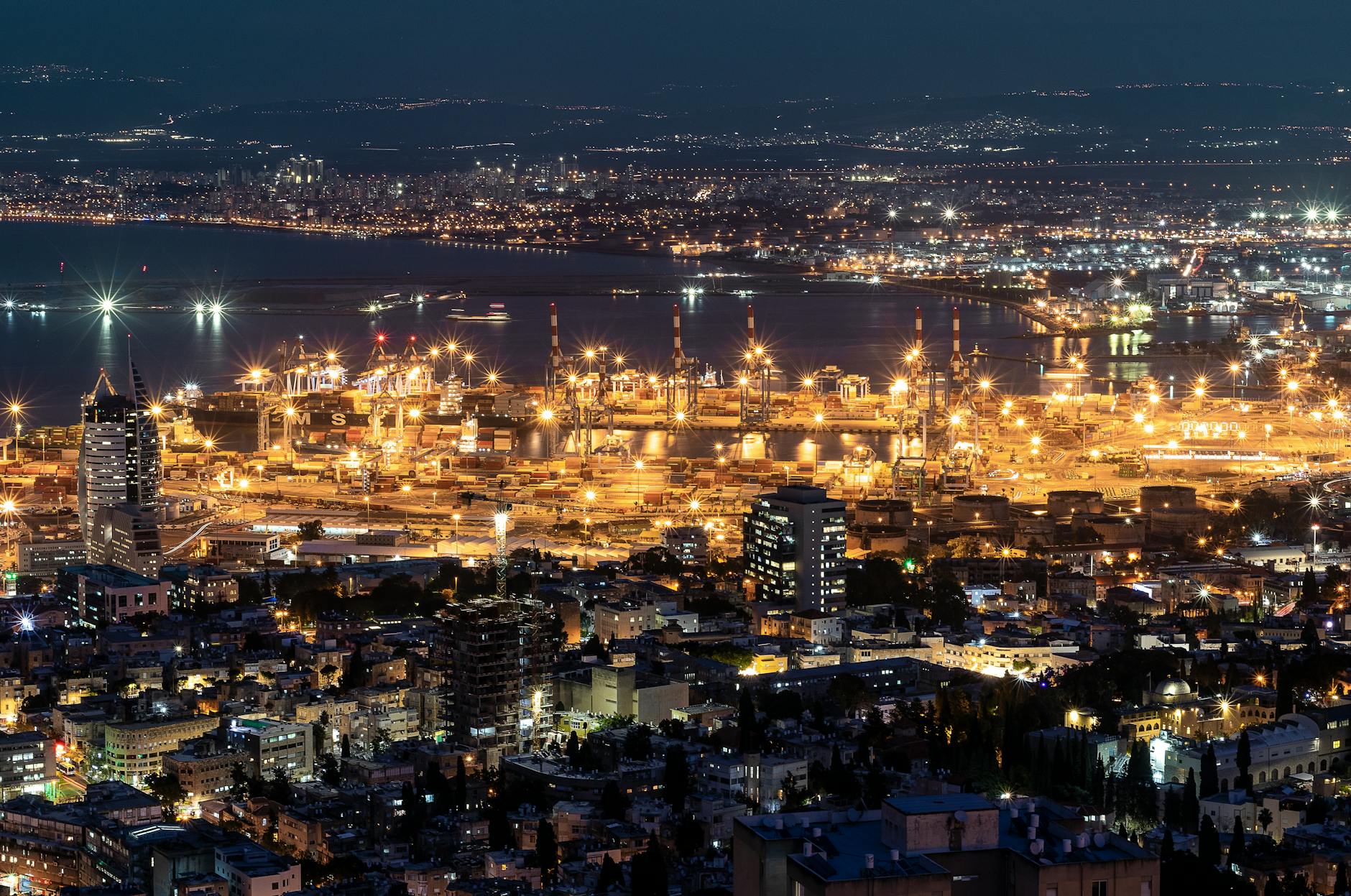
Diplomatic friction has also manifested on social media. On Monday, Ukraine summoned the Israeli ambassador to Kyiv to seek clarification regarding a ship linked to Russia’s 'shadow fleet' that docked at the Port of Haifa earlier this month.
Israeli Foreign Minister Gideon Sa’ar responded to the summons by stating that diplomatic relations are not conducted on X (formerly Twitter). Sa’ar maintained that Israel is a state that adheres to the rule of law through independent law-enforcement authorities, according to The Jerusalem Post.