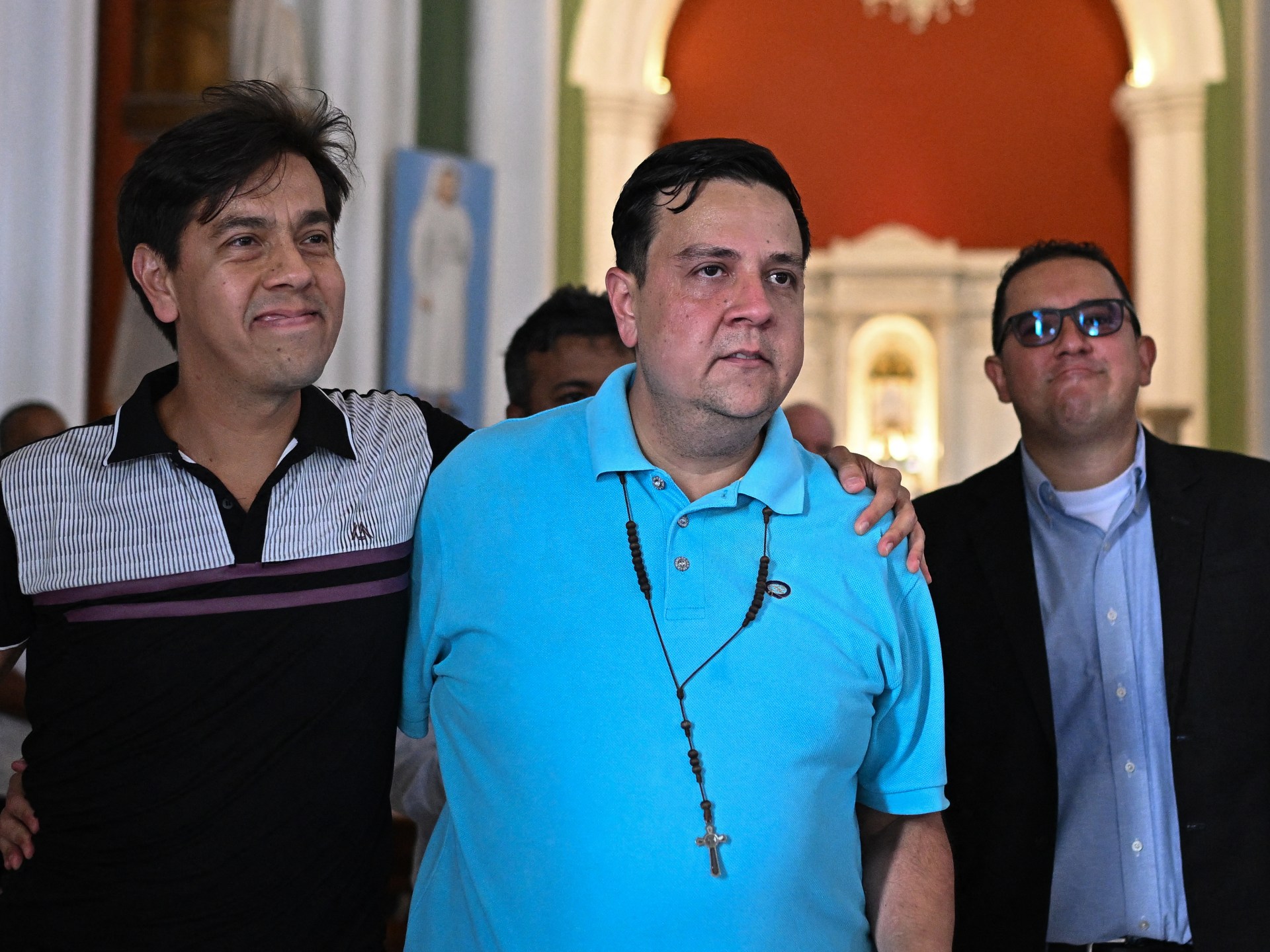
Venezuelan human rights director Javier Tarazona was freed Sunday after serving four years and seven months in custody, according to a statement from his brother posted on X. Tarazona, the director of FundaRedes, was arrested in July 2021 and faced accusations of terrorism and conspiracy, charges his advocates maintain are politically motivated.
Legal rights group Foro Penal reported that Tarazona's release from the Helicoide detention center in Caracas was among several prisoner exchanges occurring following a government announcement earlier in January. Foro Penal stated it has verified the release of more than 300 political prisoners since the government unveiled its proposed "amnesty law" on January 8.
Tarazona’s organization, FundaRedes, focuses on monitoring alleged abuses by Colombian armed groups and the Venezuelan military along the shared border region. Government officials consistently deny holding political prisoners, asserting that all detainees have been jailed for committing verifiable crimes, although they have not provided a comprehensive official list of those released.
Interim President Delcy Rodriguez indicated Friday that the Helicoide facility, long criticized by international rights organizations for documented abuse, would be repurposed into a social services and sports complex. The proposed amnesty legislation reportedly covers hundreds of detainees currently incarcerated, as well as individuals already conditionally released.
Families of remaining detainees argue the pace of the releases has been excessively slow, with Foro Penal estimating that more than 700 political prisoners remain confined. Opposition figures, journalists, and activists frequently face charges like treason, which critics assert are arbitrary tools used to suppress dissent in the South American nation.
This development coincides with the arrival of the top United States envoy in Caracas to reestablish a US diplomatic mission, seven years after diplomatic ties were severed between the nations. The timing suggests a potential, albeit limited, diplomatic opening in bilateral relations.
The broader economic consequence hinges on whether these releases signal a substantive policy shift toward greater political openness, which could influence international sanctions regimes currently impacting Venezuela's energy sector and foreign investment prospects.