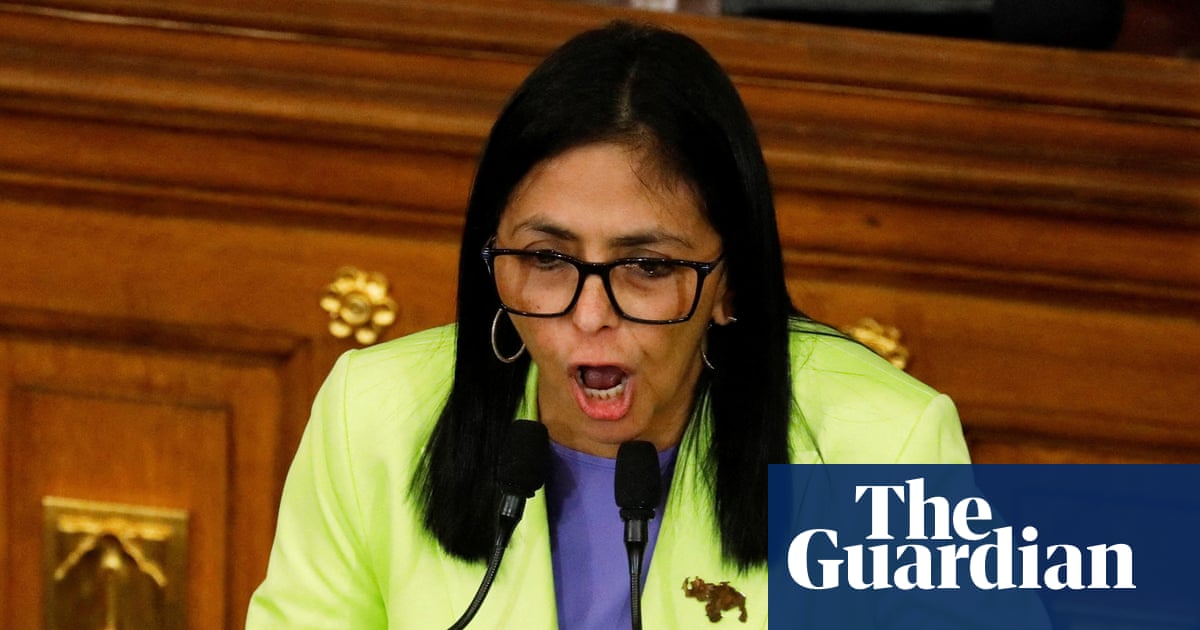
Venezuela’s acting president, Delcy Rodríguez, announced on Friday a proposal for a comprehensive general amnesty law covering all political violence from 1999 to the present day, according to reports from the supreme court in Caracas. This action represents a significant early reform enacted by Rodríguez, who assumed power shortly after the removal of Nicolás Maduro weeks prior.
The proposed legislation aims to address deep political divisions, with Rodríguez stating it will "heal the wounds left by political confrontation, fuelled by violence and extremism." Concurrently, she announced plans for a national consultation to reform the country’s judicial system, signaling a broader institutional overhaul.
One key component of the announcement involves the closure of El Helicoide prison in Caracas, a facility rights groups allege was used by Maduro’s intelligence services for torture. Rodríguez stated the structure will be repurposed into a sports, cultural, and commercial center for police families and neighboring communities, according to reports.
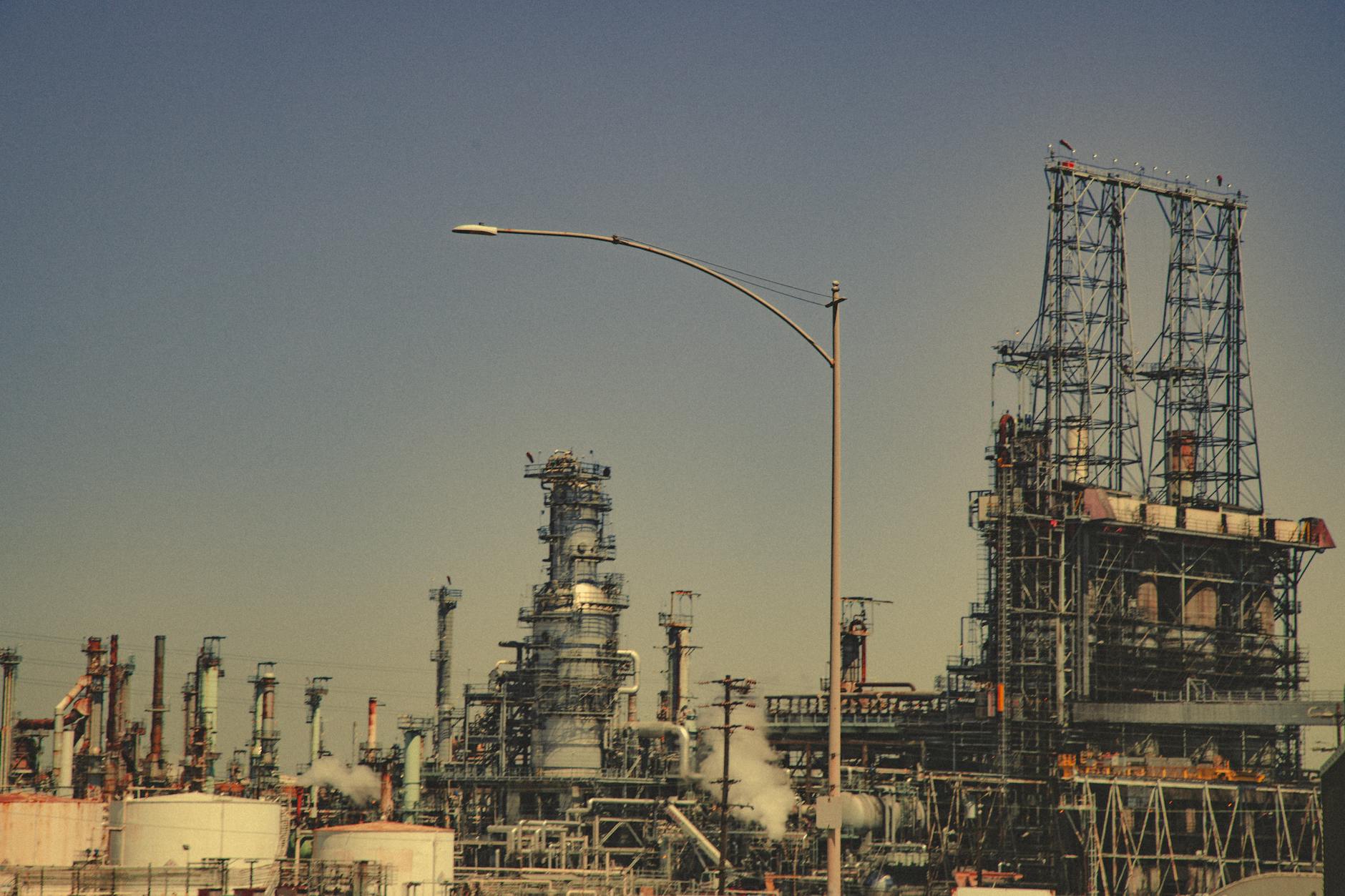
These rapid policy shifts coincide with the rollback of US sanctions on Venezuela’s oil industry, a key demand from Washington following Maduro’s departure. The US government has since confirmed the release of all Americans known to be detained in the South American nation.
Opposition figures, while expressing cautious optimism, attribute the swift action to external pressure. Nobel laureate María Corina Machado stated the amnesty proposal was a direct response to pressure from the United States government, rather than a voluntary internal concession.
Despite the announcements, human rights organizations cite slow progress on previous commitments, with Foro Penal reporting fewer than 300 political prisoners released since January 8. Opposition lawmaker Tomás Guanipa expressed hope that the amnesty would definitively mark the beginning of an era leading toward democracy.
Economically, Rodríguez and her brother, Jorge Rodríguez, have already passed legislation opening the critical oil sector to private investment, fulfilling another primary condition set by the US administration. In a sign of improved diplomatic relations, Washington has lifted the ban on US flights to Venezuela and is preparing to re-establish its diplomatic presence in Caracas.