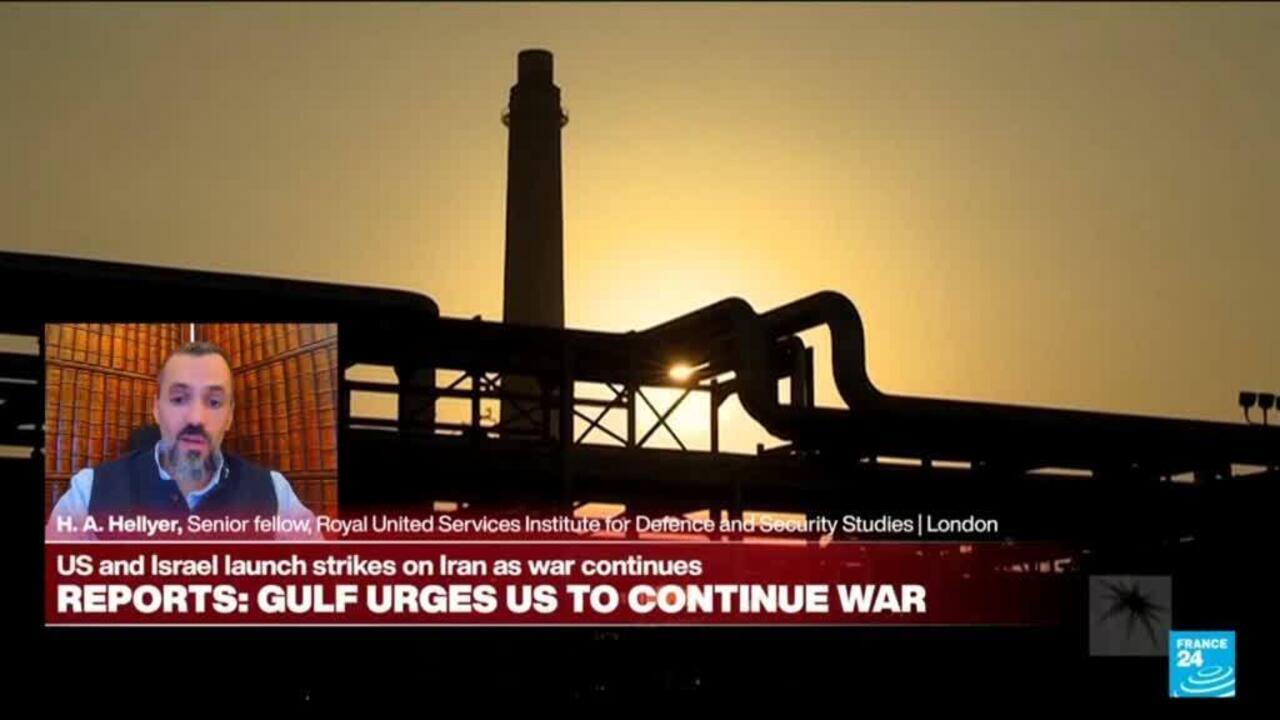
President Donald Trump is reportedly weighing a controversial ground invasion of Iran to seize its stockpile of enriched uranium, according to recent reports from the Wall Street Journal. The White House has not confirmed a final decision but acknowledges the military option is under active review to prevent nuclear weapons development. Such an operation would represent a significant escalation beyond the recent air strikes utilized against Iranian infrastructure and marks a new phase in the ongoing regional conflict.
Key Operational Details
Military experts describe the potential mission as one of the most complicated special operations in history due to the depth and fortification of the facilities. Former deputy assistant secretary of defence Mick Mulroy told the BBC that removing the material would require deploying ground troops and could take several weeks to complete. Security forces would need to excavate sites buried deep underground while facing potential counterattacks from Iranian defence units during the extraction process. Intelligence regarding the exact location of the stockpile remains a critical variable for planning the assault effectively.
Senior US officials stated that approximately 440kg of uranium enriched to 60% exists alongside 1,000kg enriched to 20% and 8,500kg at 3.6%. Most of the material convertible to weapons-grade fuel is believed to be stored at the Isfahan facility, though dispersion across multiple sites increases complexity significantly. The logistical hurdles extend beyond locating the material to securing access points that were damaged during previous US-Israeli air campaigns. Satellite imagery from February indicated that entrances to the tunnel complex at Isfahan appeared sealed off with earth, requiring heavy machinery to breach.
"There are many questions that we will only elucidate when we are able to go back," Rafael Grossi told reporters regarding the lack of IAEA access.
He stated that inspectors lack detailed information because they were evacuated from Iran in 2025, adding uncertainty to the risk assessment for any US military action. This lack of on-the-ground verification complicates the strategic planning required for such a high-stakes mission. Gaining control of the sites would necessitate the use of ground forces, unlike previous campaigns that relied solely on air power to degrade Iranian capabilities. The 82nd Airborne Division, currently deployed to the Middle East, could secure surrounding areas including airfields for staging operations.
Strategic Implications
Placing troops on the ground introduces severe vulnerability regarding medical evacuations and exposure to anti-aircraft fire from remaining Iranian assets. Isfahan is located approximately 300 miles inland, making rapid extraction difficult if the situation turns hostile for the US forces involved. Alex Plitsas from the Scowcroft Middle East Security Initiative warned that even with degraded Iranian defence capabilities, the risk remains high for any deployed units. Once secured, the United States must decide whether to remove the uranium or dilute it on site to render it useless for weapons production.
Senior administration officials indicated that diluting the material on site is an option, though experts say extraction is faster and safer for the US to manage. The operation involves extracting a half-ton of effectively weapons-grade uranium, which presents numerous potential failure points for the military planners. The administration may also be using the threat of new military operations to pressure Iran to the negotiating table rather than executing the plan immediately. President Trump appeared to play down the significance of the stockpile in recent remarks, noting that damage caused in US-Israeli strikes last June was significant. Continued monitoring of diplomatic channels will be essential to determine if the military option is a bluff or a genuine preparation for conflict.