The United States is currently backing extensive demands on Iran—covering its nuclear program, missile capabilities, and regional proxies—with heightened military signaling, notably the approach of a US aircraft carrier toward Iranian maritime boundaries. This deployment follows earlier calibrated military action, such as the 2020 assassination of General Qassem Soleimani, which the administration viewed as successful deterrence, according to reports.
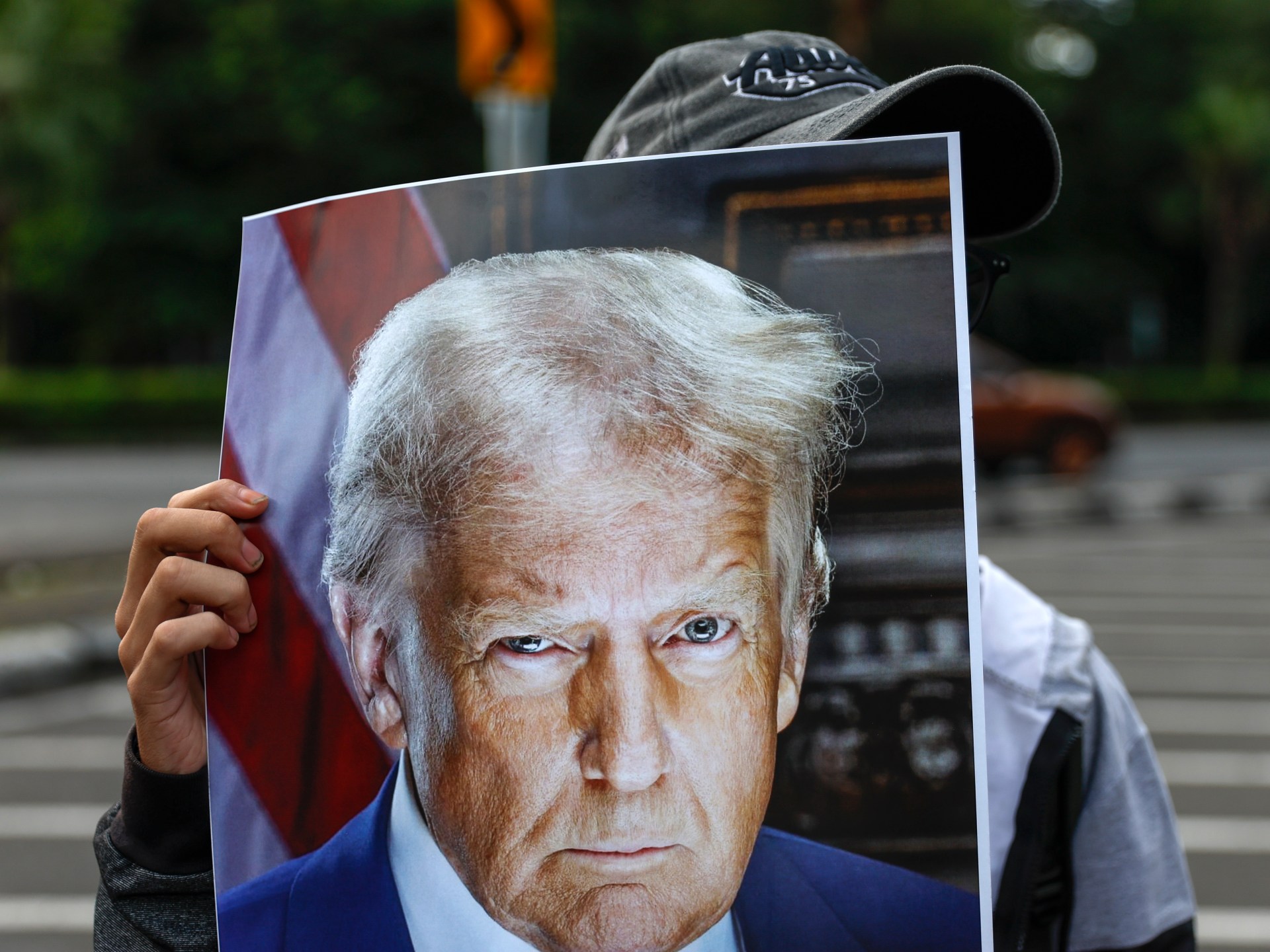
This foreign policy style, sometimes termed the “madman theory,” seeks to make adversaries question the limits of US irrationality and resolve, a tactic reportedly previously favored by Richard Nixon. During the current term, this approach was also evident in the abduction of Venezuelan President Nicolas Maduro, adding perceived weight to current declarations against Tehran.
The underlying calculus appears to be securing short-term transactional benefits and weakening regional rivals without engaging in protracted military occupations, contrasting with the 2003 Iraq intervention. The administration seeks to avoid actions that resemble neoconservative entanglement while simultaneously constraining forces deemed hostile to US interests and Israel.
In specific regional contexts, the strategy relies on economic leverage rather than direct conflict, as seen in recent statements regarding Iraq’s political leadership. Threats to withhold US support from Iraq if Nouri al-Maliki assumes the premiership suggest a preference for economic consequences over military escalation to influence domestic political outcomes.
US policy in Syria demonstrates a pragmatic alignment, focusing narrowly on counter-ISIL goals and Israeli security while reportedly abandoning the Kurdish-led Syrian Democratic Forces. This shift appears facilitated by Gulf states, particularly Saudi Arabia, vouching for the current government under Ahmed al-Sharaa, allowing for a reduction of US footprint.
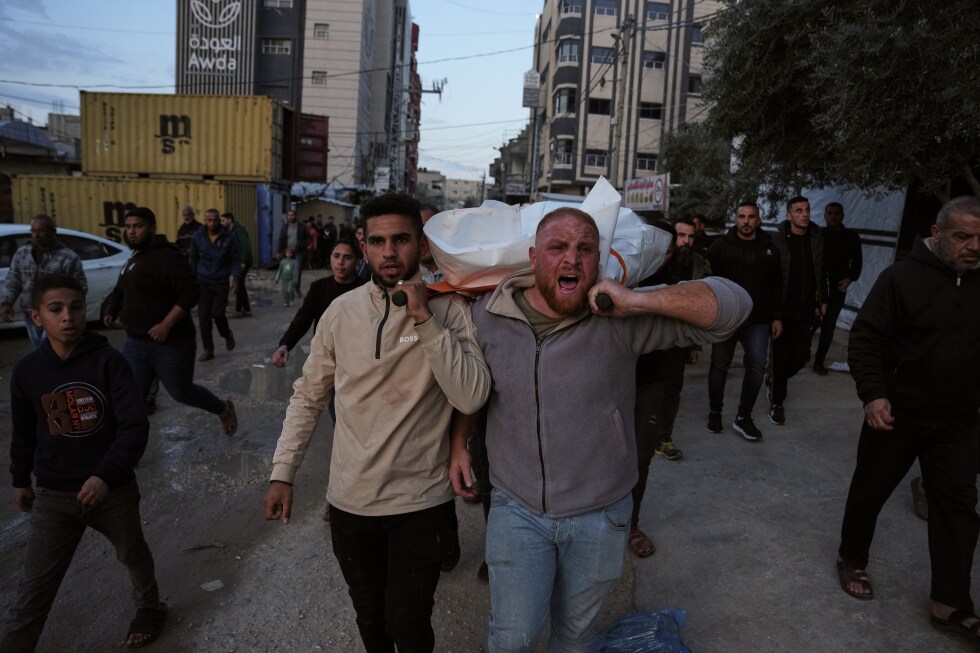
However, negotiations in Lebanon and Gaza present a higher hurdle, as US-backed proposals demand the complete disarmament of Hezbollah and Hamas, respectively. For these groups, disarmament is reportedly viewed as an existential concession that undermines their core identity as resistance movements against Israel and the US.
Iran’s response indicates a deep skepticism, rooted in prior negotiations where concessions were allegedly followed by increased US pressure, leading Tehran to believe its survival is contingent on resistance. This perception of existential threat may test the boundaries of the US strategy, as an adversary with little perceived to lose may be less amenable to coercion.
Ultimately, while the projection of military might can yield limited concessions for manageable goals, the efficacy of the “madman” policy diminishes when the adversary perceives its foundational security as being directly targeted. The current standoff with Iran represents a critical test of whether calibrated threat inflation can secure major geopolitical outcomes, or if it risks miscalculation.