International press coverage focused heavily on the United States this week, marked by criticism regarding domestic enforcement actions and presidential conduct. The French newspaper Libération published an editorial titled "American flop power," arguing that US soft power is deteriorating due to "excessive behaviour" and the "ultraviolence of ICE agents," according to the report.
This perceived decline is reportedly impacting tourism, with visits to the US falling by six percent in 2025, an effect the editorial directly links to the administration's policies. While resistance movements are reportedly nascent, the editorial suggests this could signal the beginning of a broader pushback against current governmental approaches.
Shifting focus to fiscal accountability, The Washington Post reported on the substantial cost associated with domestic troop deployments across the nation. The Congressional Budget Office estimated that deploying National Guard members between June and December last year cost taxpayers half a billion dollars.
Furthermore, projections indicate that these deployment costs could exceed $1 billion for Americans in 2026, raising questions about budgetary priorities. This financial outlay contrasts sharply with President Trump's reported focus on personalizing the White House interior, as detailed by The Telegraph.
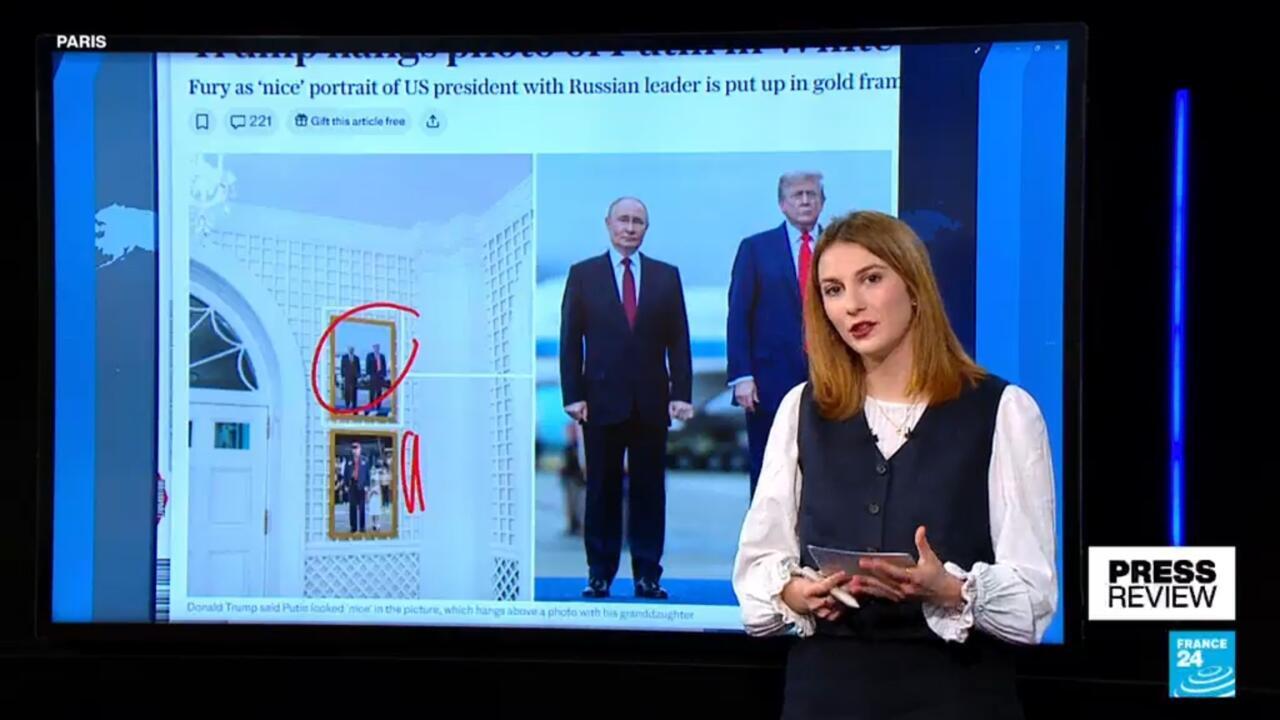
President Trump reportedly framed and hung a photograph depicting himself alongside Russian President Vladimir Putin in the executive residence, placing it above an image with his granddaughter. The President commented that he found the Russian leader looked "nice" in the specific image chosen for display.
Beyond US domestic affairs, geopolitical tensions involving surveillance technology were highlighted in Eastern Europe. Reports from Balkan Insight indicate that governments in Serbia and Georgia are deploying advanced surveillance against pro-democracy and anti-government demonstrations.
Georgia, which suspended European Union accession talks following massive 2025 protests, reportedly installed "Big Brother" style cameras to identify demonstrators. Similarly, facial recognition technology has allegedly been used against student-led protests in Serbia, despite local laws prohibiting the processing of biometric data, as reported by Balkan Insight.
While global political and economic narratives dominated the review, a brief segment noted human-interest developments, including a two-year-old snooker prodigy in Manchester securing multiple Guinness World Records, as covered by the BBC.