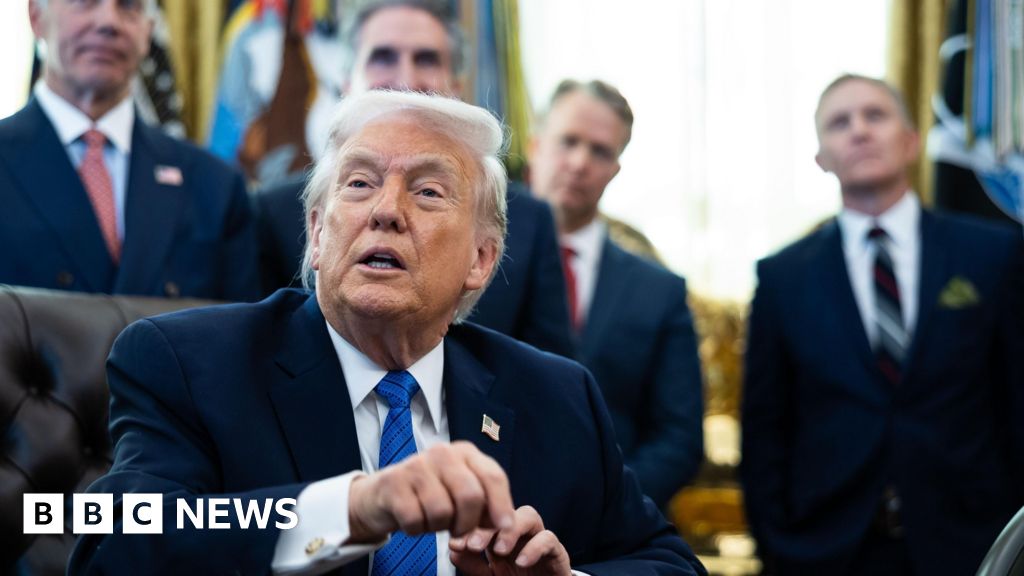
The US President told reporters at the White House on Friday that Iran desires a negotiated settlement, despite heightened military posturing in the Gulf region. This declaration came as Washington continues to exert pressure following the expiration of previous nuclear commitments by Tehran, according to statements reported by news outlets.
Iran's Foreign Minister subsequently maintained that the country's missile defense capabilities would "never" be subject to negotiation, while confirming openness to talks predicated on "mutual respect." The Iranian official emphasized the need for preparations before entering into any "fair and just negotiations" with the US.
Earlier in the week, the US President had warned Tehran that the window for negotiating a new accord on its nuclear program was rapidly closing, concurrent with the deployment of a significant US naval fleet nearby. This escalation in rhetoric is viewed by analysts as an attempt to force diplomatic concessions from the Islamic Republic.
Further complicating the diplomatic environment, the Kremlin confirmed that the head of Iran's Supreme National Security Council met with Russian President Vladimir Putin on Friday. State news agency Ria-Novosti reported that the officials discussed various Middle Eastern and international matters during their engagement.
The US President outlined two primary conditions for Tehran to avoid military intervention: cessation of nuclear enrichment activities and an end to the violent crackdown on domestic protesters. Reports from human rights monitors suggest widespread fatalities during recent internal unrest.
Regarding the ongoing military presence, the President confirmed that a large naval contingent was en route to the area and declined to set a timeline for its possible withdrawal. He suggested the assets would remain stationed in proximity to Iran until the situation stabilizes or a resolution is achieved.
The differing public stances—US insistence on a deal versus Iran’s firm defense of its sovereign missile program—underscore the fragility of the current geopolitical equilibrium in the Gulf. The situation remains highly sensitive to miscalculation.