US officials are urgently working to prevent a prolonged shutdown of the Strait of Hormuz due to ongoing conflict with Iran. Internal assessments suggest reopening the waterway remains a complex problem without an obvious solution or clear timeline. The situation depends heavily on the willingness of President Donald Trump to escalate pressure against the Iranian regime.
A recent Defense Intelligence Agency document circulated within the Pentagon indicated Iran could maintain a blockage for one to six months. Four sources familiar with the record told CNN that this timeframe was under serious consideration by analysts. White House and Pentagon officials subsequently insisted the assessment represents a worst-case scenario rather than a definitive forecast.
Defense Secretary Pete Hegseth reportedly had not reviewed the specific document before public statements were issued. Pentagon spokesman Sean Parnell stated that the Defense Intelligence Agency plans for every worst possible outcome. He characterized the media focus on the six-month closure as dangerous and unacceptable to the Secretary of Defense.
The timeline for reopening the strait shifts on a daily basis as military operations continue to degrade Iranian capabilities. US and Israeli strikes have damaged the enemy’s ability to launch large-scale attacks using drones or long-range missiles. However, top Pentagon officials acknowledged that short-range missile stockpiles remain intact despite the damage.
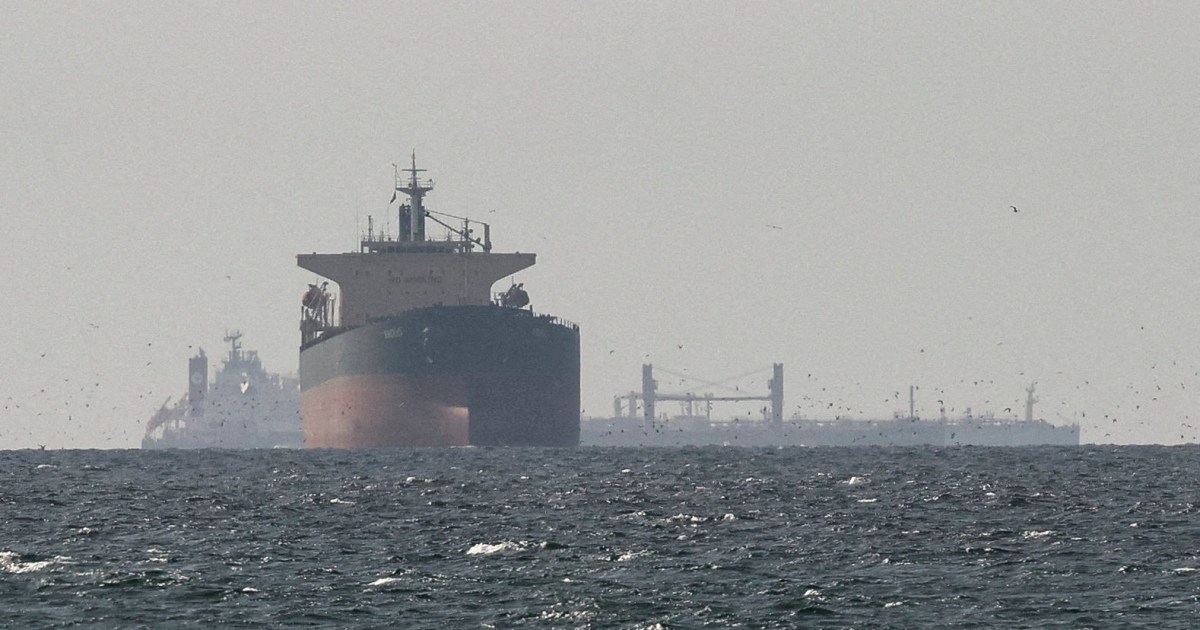
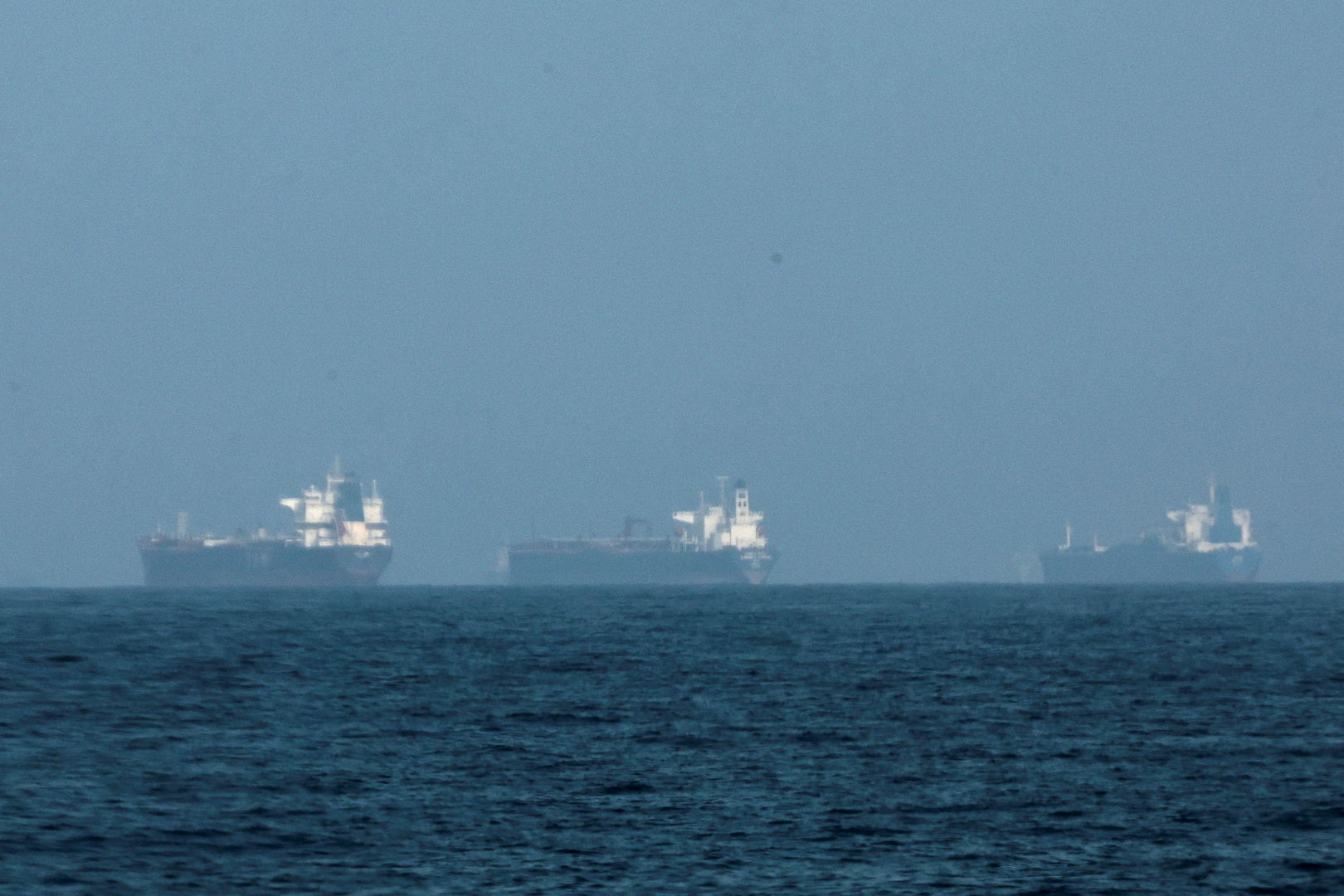
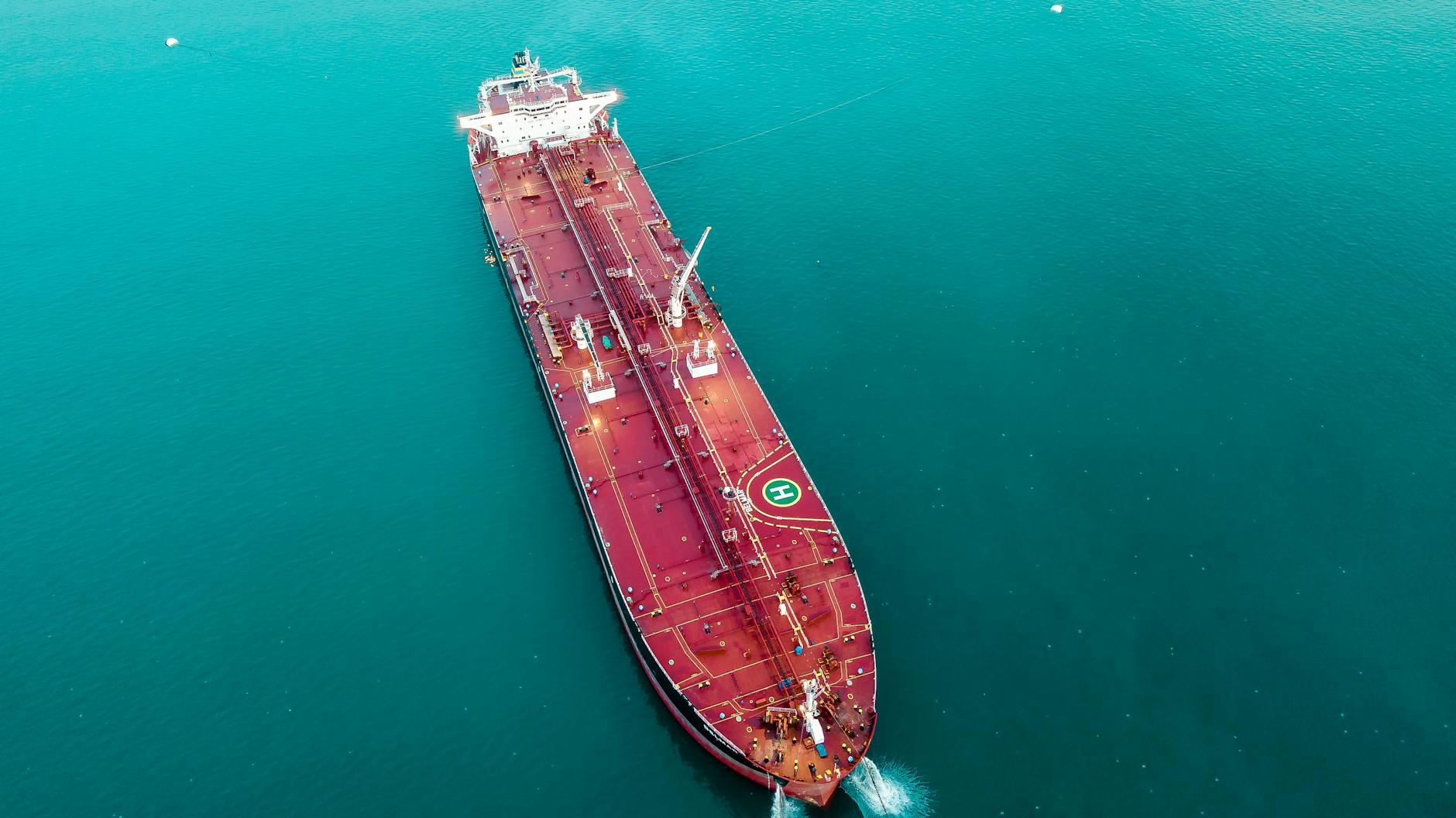
Western officials noted that Iran retains other options for targeting tankers transiting the narrow waterway. These include small craft, mini-submarines, and jet skis capable of suicide missions packed with explosives. Escort missions would require several destroyers per tanker to ensure safety against these asymmetric threats.
President Trump has unsuccessfully sought an international coalition to police the strait due to reluctance from allies. He previously posted on Truth Social that he might leave the matter to non-responsive allies after finishing off Iran. The geographical vastness of the 100-mile-long passage makes effective neutralization of the threat logistically difficult.
Officials have weighed capturing Kharg Island as a potential leverage point to force Iran to reopen the passage. The economic lifeline handles roughly 90% of the country’s crude exports and was recently targeted by US forces. White House officials believe taking the island could bankrupt the Revolutionary Guard and speed the end of the war.
Economic implications are already visible as oil prices continue to rise while the strait remains closed. Roughly 20% of the world’s oil travels through the chokepoint and supplies are dwindling. Average gas prices in the United States have ticked higher as the administration struggles with solutions to make up for the loss.
Trump stated in the Oval Office that he is not putting troops anywhere on the islands in the strait. This refusal limits the options for securing the waterway compared to potential ground operations. The conflict remains in the third week of an anticipated four-to-six week timeline according to military estimates.
The broader implications for global markets depend on whether the US can prove the threat is mitigated. Shipping companies need near certainty before agreeing to take the risk of transit through the zone. International observers will watch for further escalations regarding Kharg Island or expanded naval operations.