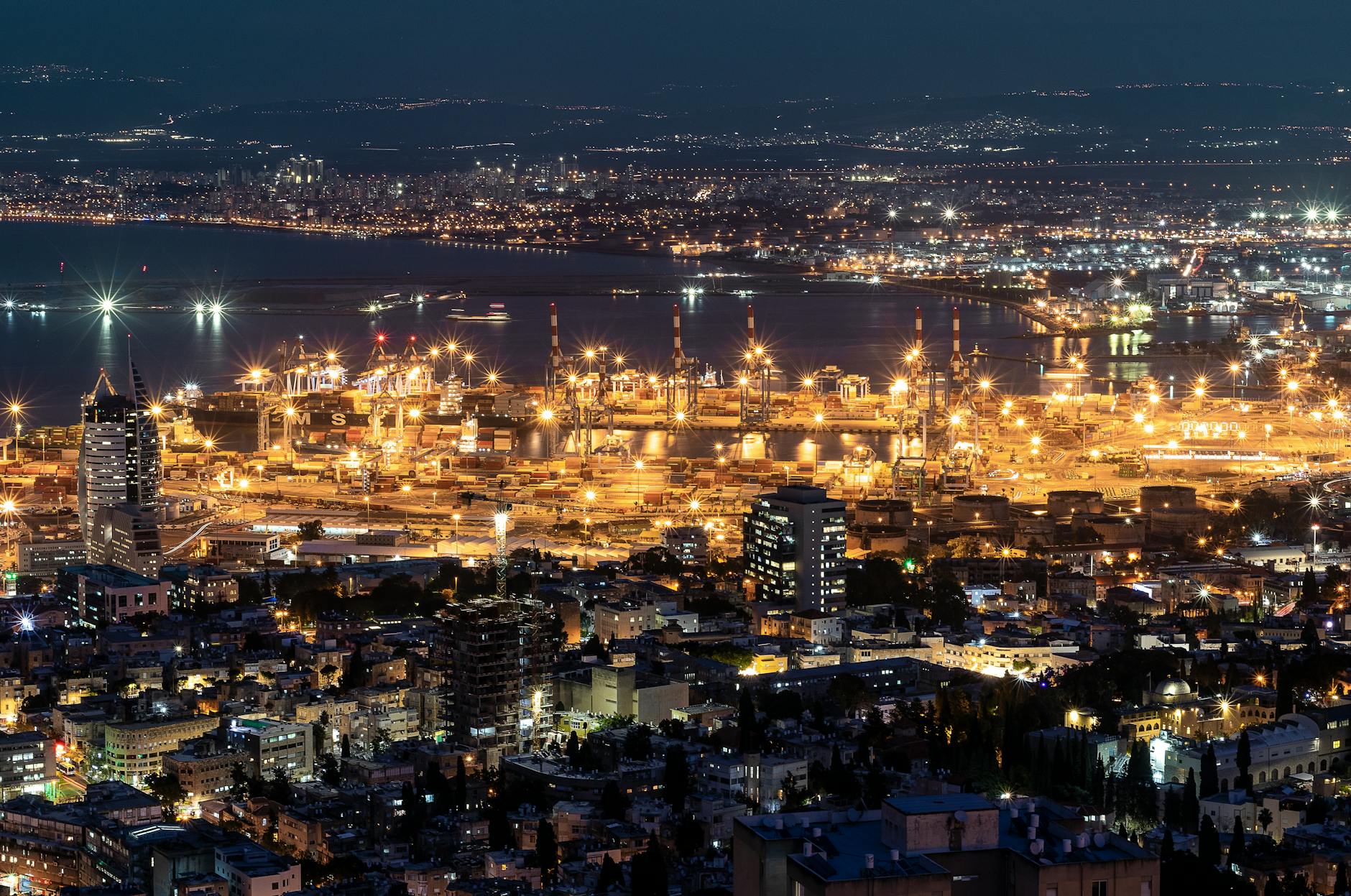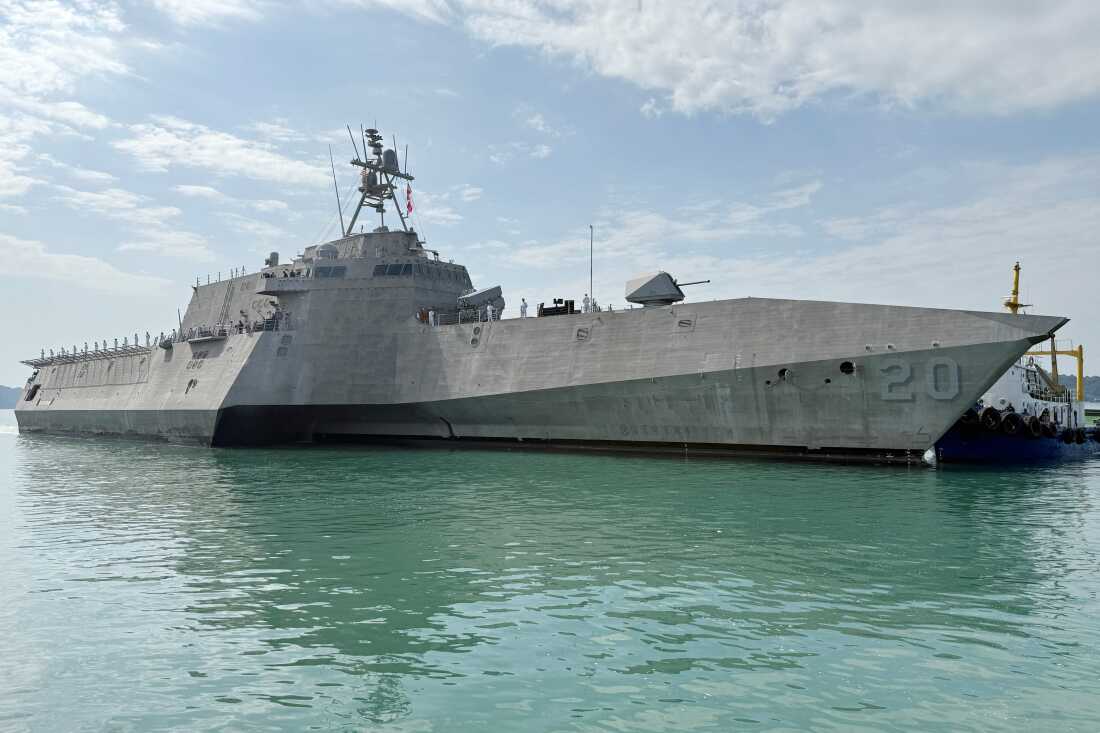
President Donald Trump announced Sunday that the U.S. Navy will initiate a complete maritime blockade of Iranian ports starting Monday at 10:00 a.m. ET (14:00 GMT). The order follows the collapse of a 21-hour ceasefire and diplomatic negotiations between the United States and Iran in Pakistan. The talks in Pakistan marked the first direct meeting between the two nations since 1979, according to La Tercera.
U.S. Central Command (CENTCOM) confirmed the blockade will apply impartially to all vessels entering or departing Iranian ports, including those along the Arabian Gulf and the Gulf of Oman. However, the command specified that ships transiting the Strait of Hormuz to non-Iranian destinations will not be intercepted, an effort intended to mitigate global trade disruptions. While the existing article noted the blockade of ports, BBC reported that President Trump additionally stated on Truth Social that the U.S. would be "BLOCKADING any and all Ships trying to enter, or leave, the Strait of Hormuz," creating a discrepancy between the President's public rhetoric and CENTCOM's operational scope. Al Jazeera reported that this CENTCOM clarification serves as an apparent scaling back from the President’s earlier threat to pursue ships paying tolls to Iran.
Oil markets reacted sharply to the breakdown in diplomacy. According to BBC and Al Jazeera, Brent crude rose to approximately $102.30, while West Texas Intermediate surged to between $104 and $105. These prices reflect deep concerns over a deepening global energy crisis. Iran has warned that the blockade could lead to even higher prices at the pump, according to Al Jazeera. Furthermore, Iran’s Islamic Revolutionary Guard Corps issued a stern warning, stating that any military vessel approaching the Strait of Hormuz will be considered in violation of the ceasefire and "will be dealt with severely," Al Jazeera reported.
Reports from The Wall Street Journal suggest the White House is also weighing additional military actions. Officials are evaluating the resumption of limited, targeted airstrikes on Iranian infrastructure to gain leverage for future negotiations. Sources indicated that while a full-scale bombing campaign remains unlikely due to regional instability risks and President Trump’s stated aversion to prolonged conflicts, the administration is considering all options. "Detestaría hacerlo, pero son sus plantas de desalinización, de agua, sus plantas de generación eléctrica, que son muy fáciles de atacar," Trump told Fox News regarding potential military targets.
Despite President Trump’s recent declaration of a "capital-letter military victory," La Tercera reported that the primary objectives set at the start of the war in February—specifically regime change and the total neutralization of Iran's military capacity—remain unachieved. While Supreme Leader Ali Khamenei was eliminated in the early hours of the conflict, the regime remains in power, which La Tercera described as a "triumph for Tehran."
International response and dissent
The United Kingdom has distanced itself from the U.S.-led blockade. While the British government possesses mine-hunting systems in the region, officials in Whitehall indicated they will not participate in the U.S. naval operation. A government spokesperson stated the UK remains committed to "freedom of navigation" but is working independently with France and other partners to ensure the Strait of Hormuz remains open.
President Trump claimed during his Fox News interview that "numerous countries are going to be helping us" and alleged that nations were sending minesweepers to assist in the operation. He further remarked, "it won’t take long to clean out the strait."
Diplomatic tensions also extended to the leaders of the two nations. Trump criticized British Prime Minister Keir Starmer, comparing his cautious approach to the conflict to Neville Chamberlain’s policy of appeasement. "Mr Starmer said we’ll send the equipment after the war is over," Trump said, labeling the remark a "Neville Chamberlain-type statement."
U.S. Vice President JD Vance, who led the U.S. delegation in Pakistan, identified Iran’s refusal to provide guarantees regarding its nuclear program as the primary cause for the failed talks. According to La Tercera, Vance stated that Iran "had decided not to accept the proposed..."