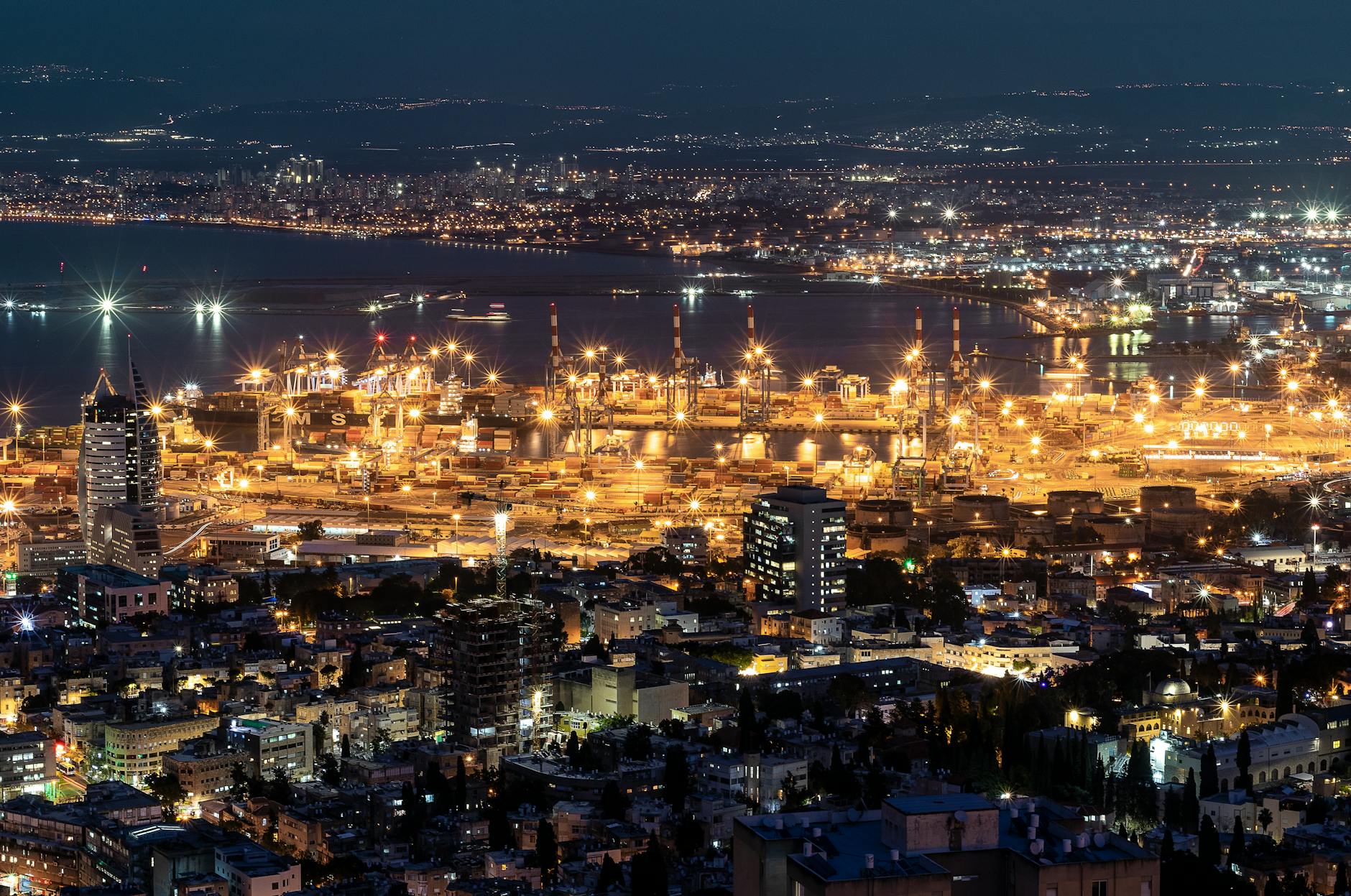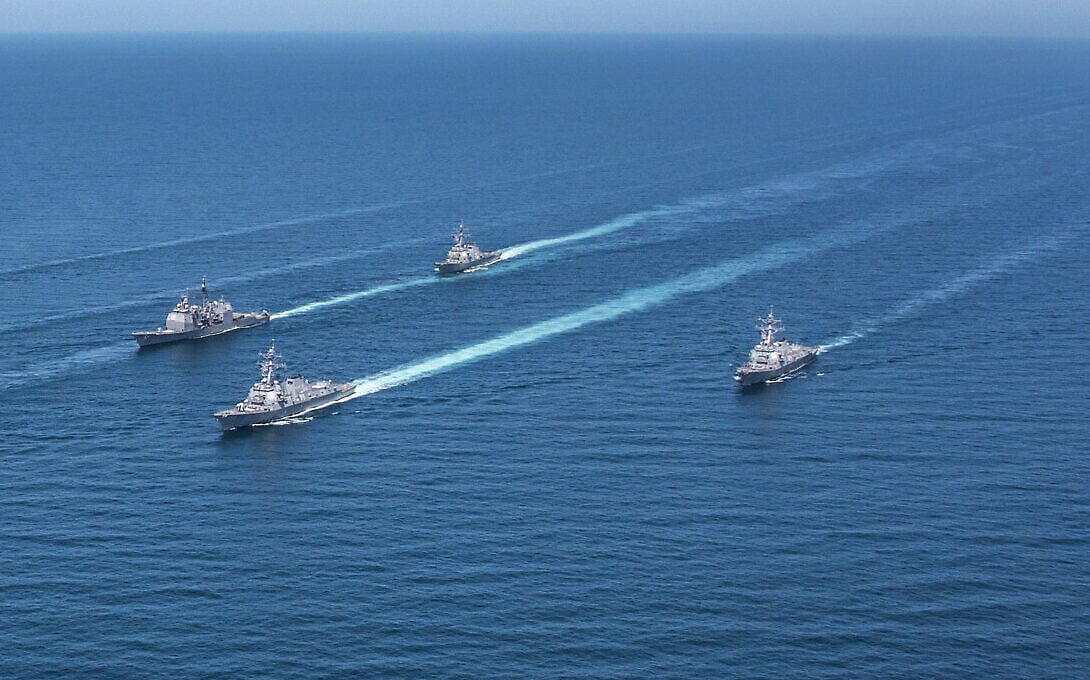
The United States has initiated a naval blockade of all maritime traffic entering and exiting Iranian ports and the Strait of Hormuz. The move, announced by President Donald Trump, targets shipping lanes in the heart of the Middle East following failed negotiations to end regional warfare.
International analyst and University of Chile academic Gilberto Aranda warns the deployment of military vessels creates a high-risk environment. "It is a double lock with all these military cruisers installed, and it could mean crossfire that leads to another type of escalation," Aranda told Expreso Bío Bío.
Global market risks
The blockade functions as a maritime vise, restricting vessels departing from Iran and those receiving supplies from Persian Gulf Arab nations that have paid transit fees to Tehran. Aranda notes this maneuver aims to halt the flow of goods through the region.
This disruption threatens to choke off the remaining oil supplies moving through the area. Such a stoppage will impact international markets and drive up fuel prices globally, affecting even distant economies like Chile.
Aranda suggests the Trump administration is using the blockade to pressure Iran back to the negotiating table. He noted that Iran remained firm on several key points during recent weekend discussions.
Success depends on the diplomatic response from regional actors. While a return to the negotiating table offers hope for a resolution, Aranda cautioned that the current military posture "could mean an almost irreversible escalation."