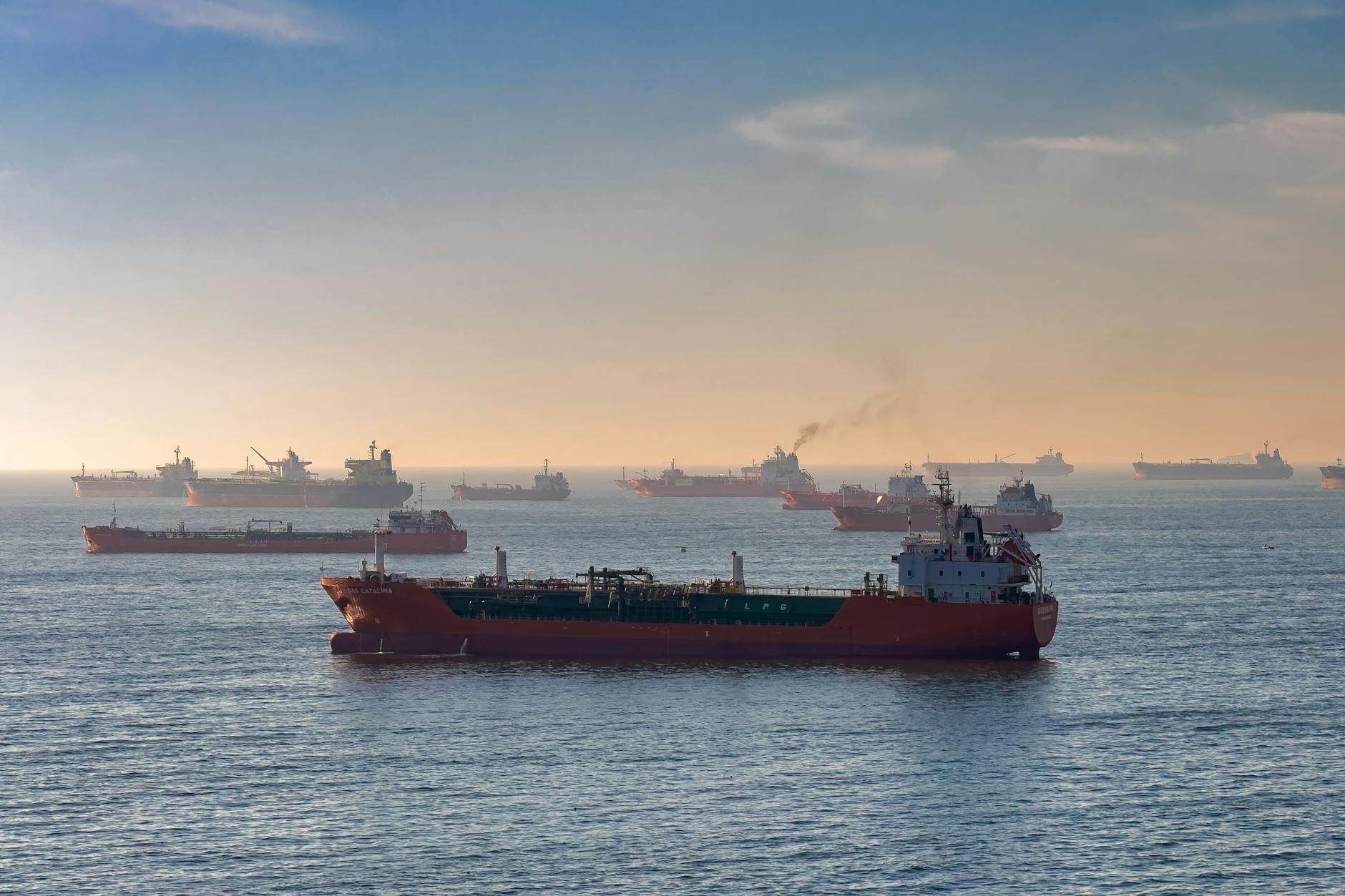
Ship traffic through the Strait of Hormuz has dropped by more than 95 percent since the start of the war on Iran, according to recent maritime tracking data.
Data from LSEG and Kpler shows that only 279 ships have transited the strategic waterway between February 28 and April 12. This figure stands in stark contrast to the pre-war average of approximately 100 vessels per day.
US Central Command (CENTCOM) implemented a naval blockade of maritime traffic to and from Iranian ports on Monday. The order, issued in line with a presidential mandate, applies to vessels of all nations entering or departing Iranian ports and coastal areas within the Arabian Gulf and Gulf of Malaysia.
Navigational Chaos and Threats
Conflicting instructions from Washington and Tehran have left global shipping in a state of confusion. The Islamic Revolutionary Guard Corps (IRGC) has ordered all vessels to follow a new route between the islands of Larak and Hormuz to avoid suspected anti-ship mines.
Ebrahim Jabari, a senior adviser to the IRGC commander-in-chief, previously warned that the strait was closed. "If any vessels tried to cross it, the IRGC and the navy would 'set those ships ablaze'," Jabari said on March 2.
On Tuesday, at least three tankers entered the Gulf via the strait. The Panama-flagged Peace Gulf is currently heading to Hamriyah port in the UAE after following the IRGC-mandated route through Iranian territorial waters.
Two other vessels, the Rich Starry and the Elpis, also passed through the waterway. Both tankers are currently under US sanctions, but they are not affected by the recent blockade because they are not heading to Iranian ports.
Since the conflict began, 22 ships have been attacked in the strait. Kpler data indicates these attacks have occurred across various jurisdictions, including UAE, Omani, Iraqi, and Qatari waters.
The disruption has stalled hundreds of tankers in the Gulf, cutting the global oil and gas supply by 20 percent. This disruption marks the largest fuel supply interruption in history and has contributed to a 50 percent surge in oil prices since the fighting began.