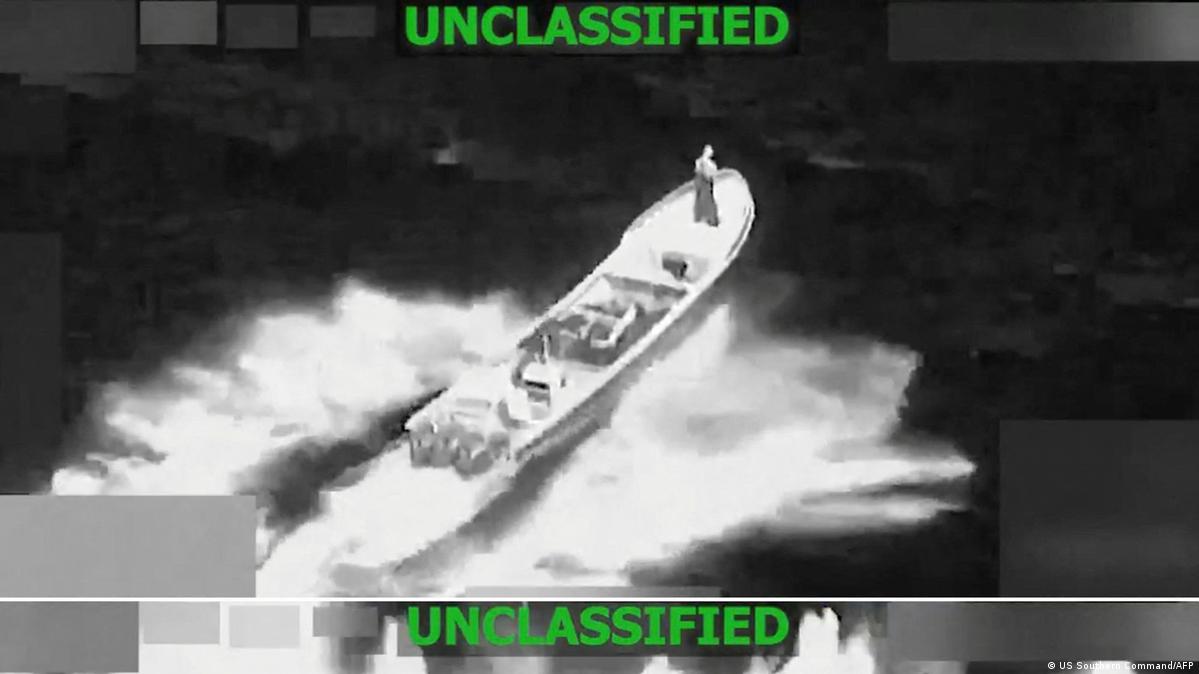
A U.S. military strike against two suspected drug-trafficking vessels in the eastern Pacific left five people dead on Saturday. The U.S. Southern Command (Southcom) confirmed the operation, stating the vessels were linked to organizations classified as terrorist groups.
The first vessel carried three individuals, according to Southcom reports. One occupant survived the strike, prompting an immediate search and rescue operation by the U.S. Coast Guard. The second vessel’s three occupants were killed in the engagement.
No U.S. personnel suffered injuries during the operation. Southcom released black-and-white footage on social media documenting the strikes, which show both vessels exploding on the high seas.
Operation Southern Spear
The strikes are part of "Operation Southern Spear," a military strategy Washington launched in September 2025 across Latin America and the Caribbean. The initiative aims to disrupt maritime drug routes and exert what the military describes as "systemic pressure" on regional cartels.
The pace of these interventions has accelerated in recent months. Dozens of similar operations have targeted suspected narco-boats, resulting in hundreds of deaths. These actions have drawn scrutiny from international observers and legal experts regarding the rules of engagement in international waters.
Southcom officials maintain that the vessels were active participants in drug trafficking. The command stated these actions are necessary to dismantle the logistics networks of criminal organizations operating in the region. The military continues to monitor known transit routes for similar activity.