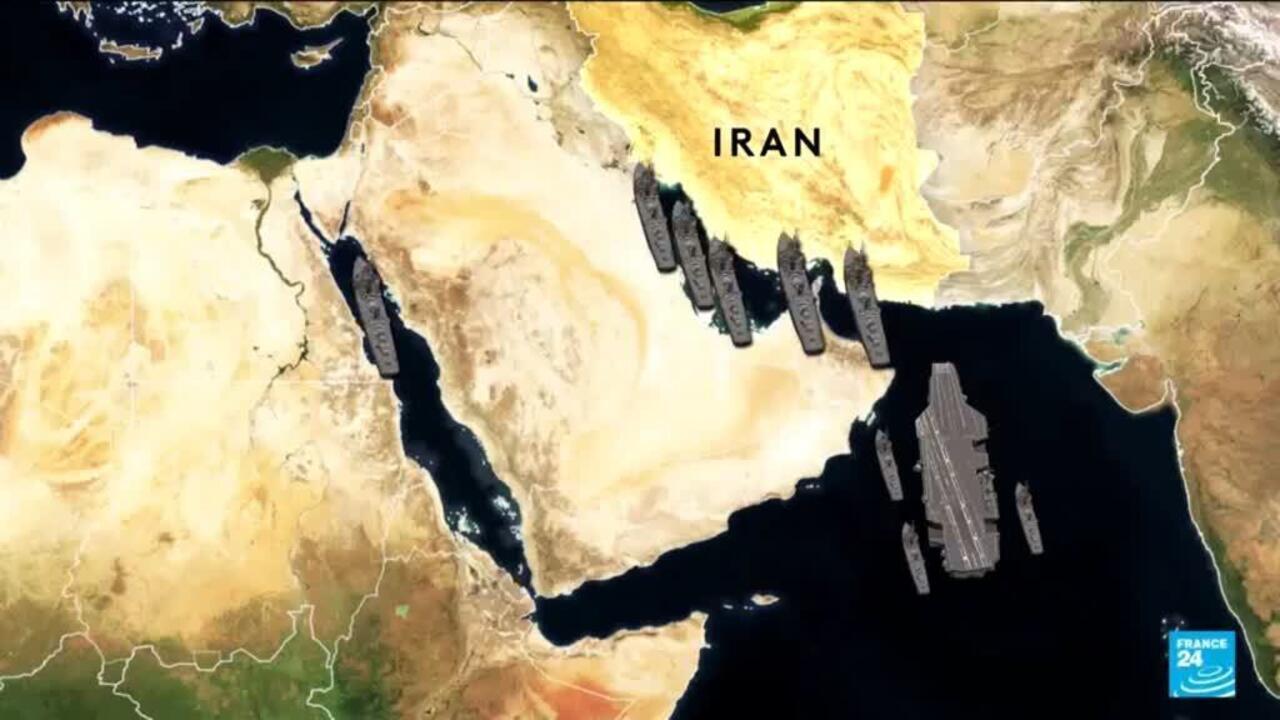
The United States is reportedly reinforcing its military posture in the vicinity of Iran, with the stated objective of countering perceived threats in the region. This increased presence, dubbed an "Armada" by former President Donald Trump, concentrates strategic options for potential future engagement.
One primary military contingency involves establishing a naval blockade across critical maritime chokepoints, according to analyses reported by France 24. Such an action would aim to choke off Iran's primary revenue stream by preventing the export of crude oil and refined products.
This potential economic warfare presents immediate geopolitical volatility, as disruptions to the Strait of Hormuz could cause sharp spikes in global energy prices. Major oil importers in Asia and Europe would face immediate supply chain pressures.
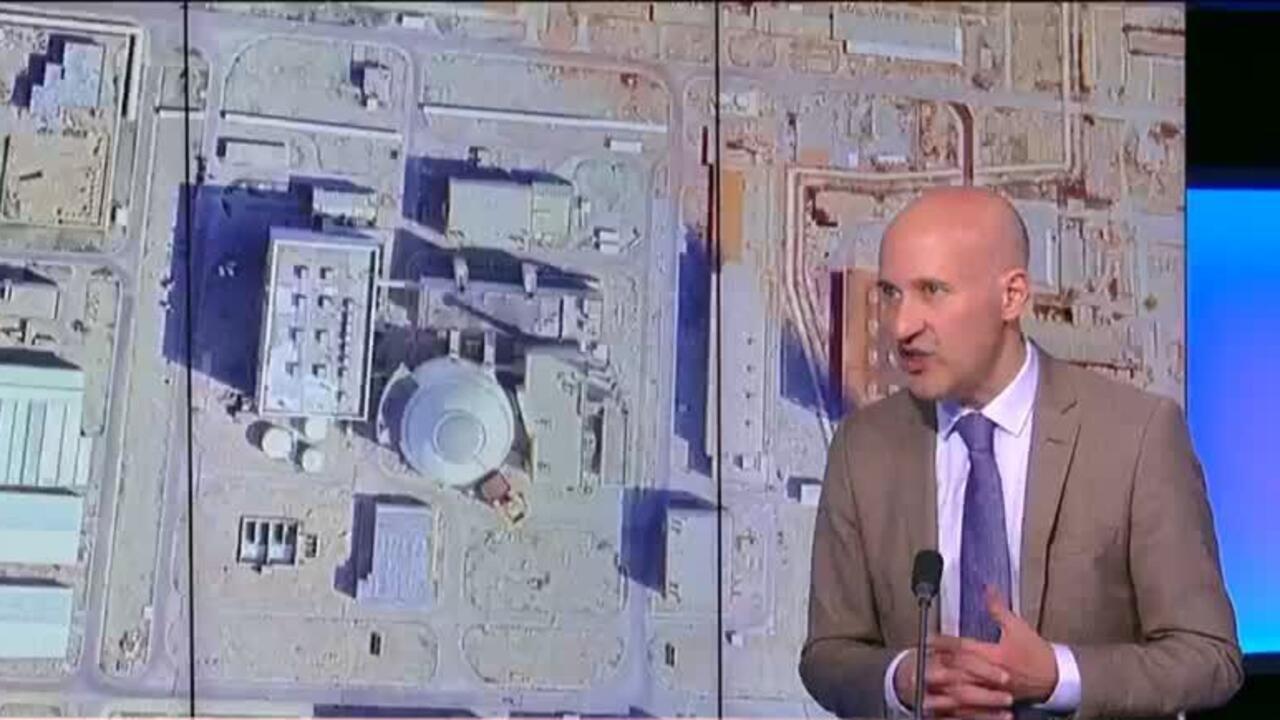
Beyond maritime restrictions, a secondary set of options centers on precision military action against sensitive infrastructure. These surgical strikes would reportedly target remaining elements of Iran's nuclear development and ballistic missile capabilities.
Such strikes necessitate meticulous intelligence gathering to avoid escalation beyond the intended scope, a factor that complicates the calculus for military planners. The objective would be degradation rather than regime change, sources suggest.
These scenarios emerge amidst heightened regional tensions, reflecting a severe deterioration in diplomatic engagement. The presence of additional US warships signals a readiness to shift from deterrence to active measures if diplomatic avenues fail.
The implementation of either a blockade or targeted strikes carries substantial risk of retaliation against allied interests and global commercial shipping. The ultimate decision rests on a complex geopolitical evaluation of costs versus strategic gains.