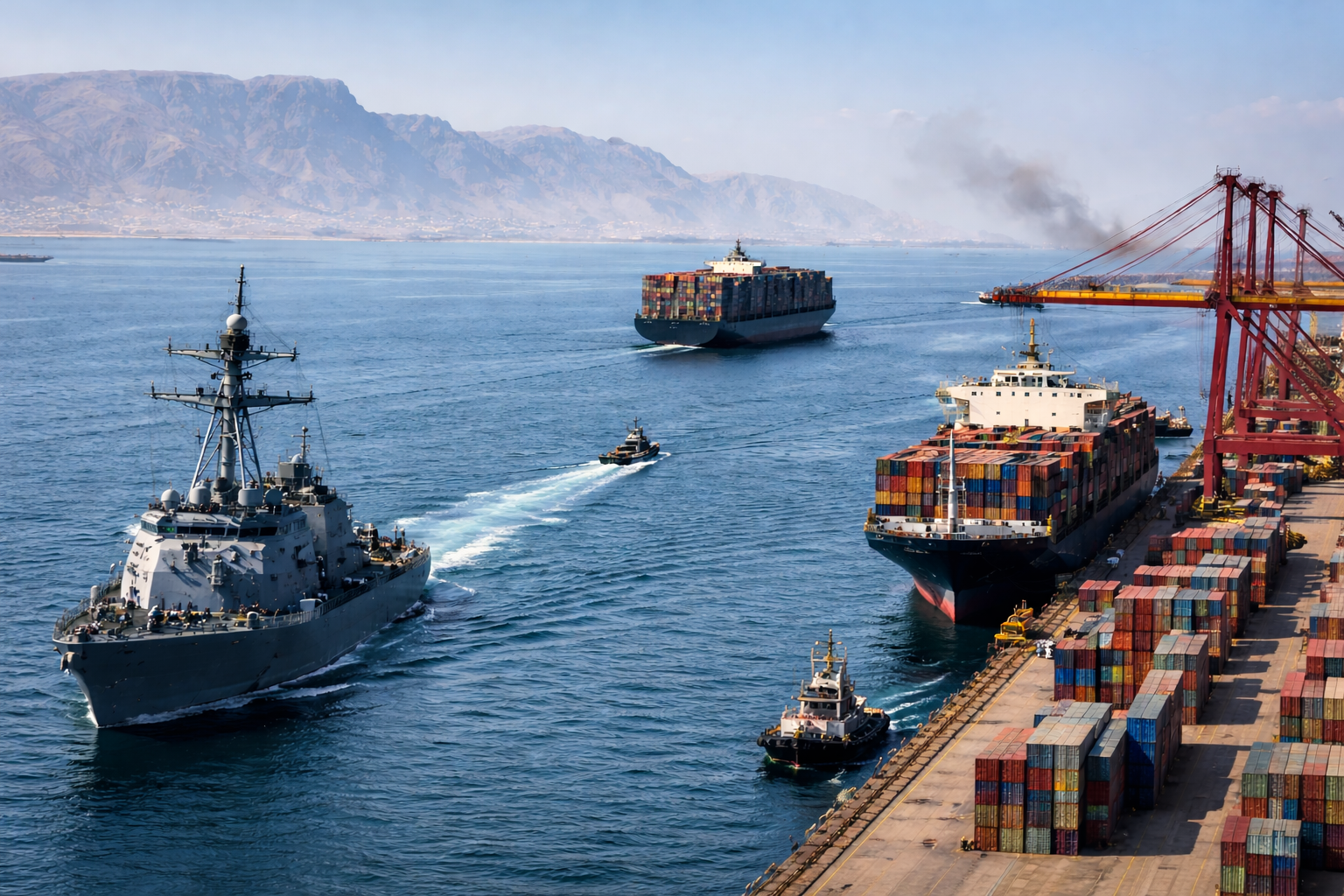
The United States Central Command (Centcom) officially initiated a blockade of all maritime traffic entering and departing Iranian ports and coastal areas at 14:00 GMT on Monday. The order applies impartially to vessels of all nations operating within Iranian waters in the Persian Gulf and the Gulf of Oman.
Centcom officials stated that the mission is designed to enforce the blockade without impeding the freedom of navigation for vessels transiting the Strait of Hormuz to or from non-Iranian ports. Commercial mariners have been advised to monitor official maritime notices and maintain contact with U.S. naval forces via channel 16 when operating near the strait.
The announcement follows the collapse of peace talks in Islamabad, Pakistan. According to Al Jazeera, these negotiations, which took place at the Serena Hotel, represented a rare direct engagement between senior U.S. and Iranian officials aimed at addressing Iran’s nuclear program. The talks were held under heavy security, with over 10,000 personnel deployed across the capital, Al Jazeera reported. President Donald Trump, writing on Truth Social, stated that his administration would block the Strait of Hormuz, citing Iran’s ongoing “ambitions nuclear” programs and a desire to clear the waterway of mines.
Iranian military warns of retaliatory strikes
The Iranian military responded by condemning the blockade as illegal. The Khatam al-Anbiya central command centre issued a statement on state television describing the U.S. restrictions as an "example of piracy."
Tehran issued a direct threat in response to the naval deployment. "If the security of Iran’s ports in the waters of the Persian Gulf and the Arabian Sea is threatened, no port in the Persian Gulf and the Arabian Sea will be safe," the Iranian army stated.
While the U.S. and Iran remain technically at war, a ceasefire established last week has largely held. However, global markets reacted sharply to the news of the blockade. Oil prices jumped nearly 8 percent on Monday, with WTI and Brent crude benchmarks both exceeding $100 per barrel.
Discrepancies remain regarding the status of the Strait of Hormuz. While Centcom emphasized that it would not block transit to non-Iranian ports, President Trump’s public statements suggested a broader intent to block the entire strategic route. Iran has restricted traffic through the strait since the beginning of the conflict, currently permitting only vessels serving specific partner nations such as China to pass.