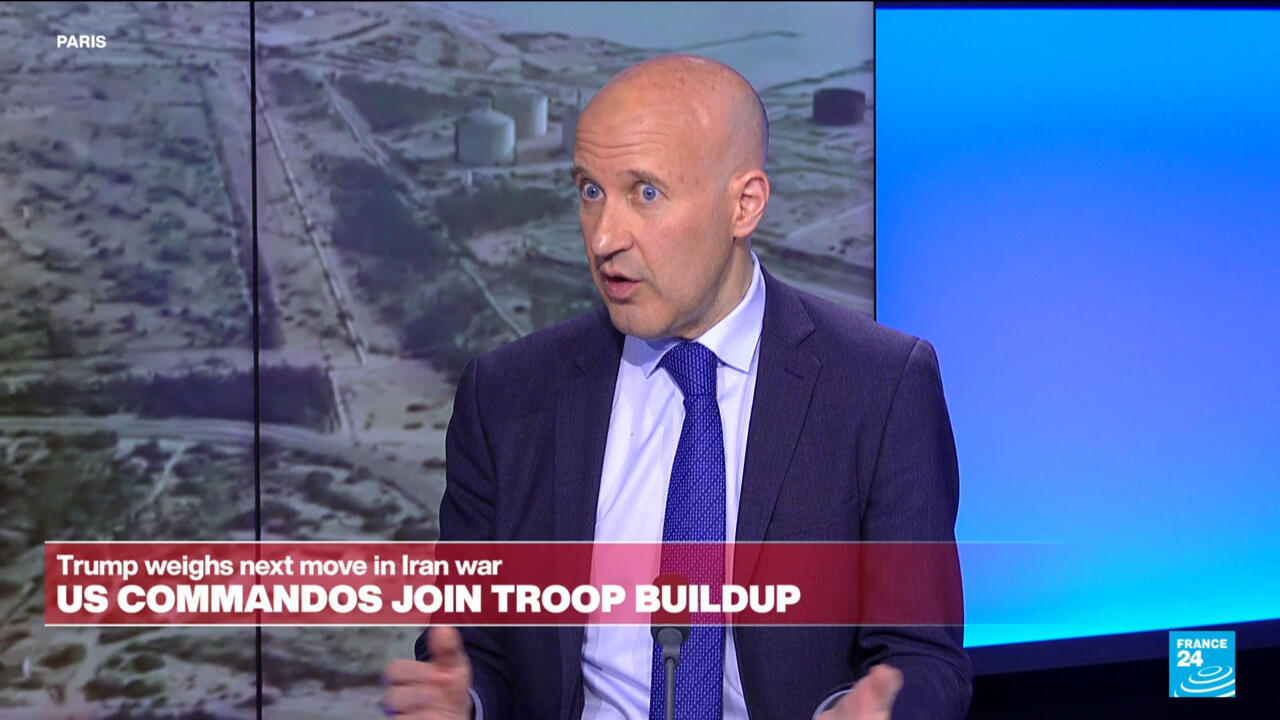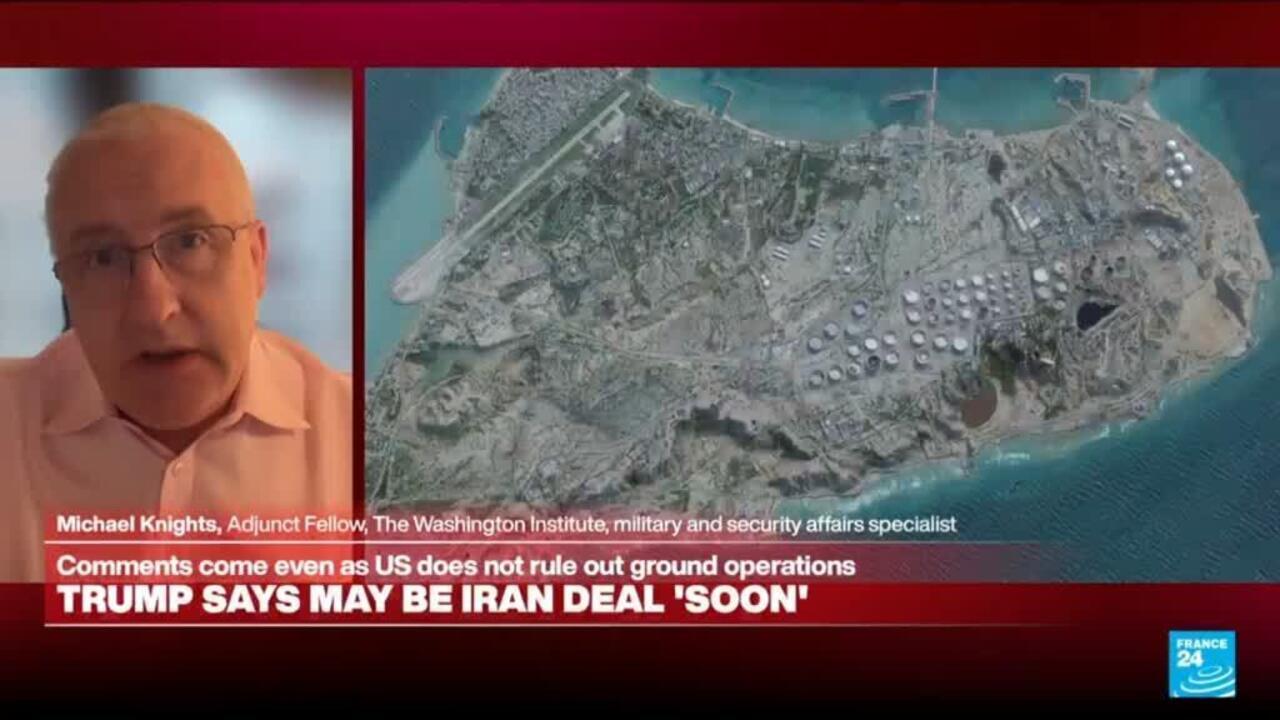
The United States military currently lacks the capacity for a full-scale invasion of Iran similar to the 2003 Iraq operation, according to senior military analysts. Washington Institute researcher Michael Knights stated that American forces remain structured for targeted missions rather than prolonged ground campaigns across the Middle East region. Iran maintains a sophisticated defense network that would make occupation efforts extremely difficult and costly for any invading force.
Knights, who serves as an Adjunct Fellow at The Washington Institute and Head of Research at Horizon Engage, highlighted the structural differences between current US military planning and past invasion strategies. France24 reported that the Pentagon continues to prioritize precision strikes over large troop deployments in the Middle East region. This strategic shift reflects lessons learned from previous conflicts throughout the 21st century.
Military Capabilities
Military experts note that Iran possesses a layered defense system combining conventional forces with asymmetric capabilities across its diverse terrain. The Islamic Revolutionary Guard Corps operates numerous missile batteries across the country's strategic locations. Analysts estimate Tehran could retaliate against regional US bases within hours of any escalation in the region.
"Decisive, large-scale invasions are highly unlikely given current strategic realities," Knights told France24.
Horizon Engage research indicates Iran maintains high-quality military assets including advanced drone technology and cyber warfare units. The decentralized command structure complicates any operation aimed at neutralizing leadership targets. Regional allies in the Gulf support continued US presence despite operational risks and potential retaliation.
Historical Context
Previous conflicts in Iraq and Afghanistan demonstrated the challenges of occupying Middle Eastern nations with complex ethnic and religious divisions throughout the region. The United States withdrew from Afghanistan after two decades of engagement following similar strategic reassessments by Pentagon planners. Military planners now focus on deterrence rather than occupation in volatile regions where stability remains fragile.
Economic sanctions remain the primary tool for pressuring Tehran while avoiding direct military confrontation that could destabilize global energy markets. Financial markets monitor Middle East tensions closely as potential supply disruptions could affect global oil prices and inflation rates. Investors watch for diplomatic initiatives that might reduce regional instability and protect economic interests.
Washington continues to evaluate force posture options that balance deterrence with cost management and resource allocation across multiple theaters. Congressional oversight committees request regular briefings on Middle East military readiness levels and threat assessments. Future policy decisions will depend on evolving threat assessments from intelligence agencies and strategic partners.