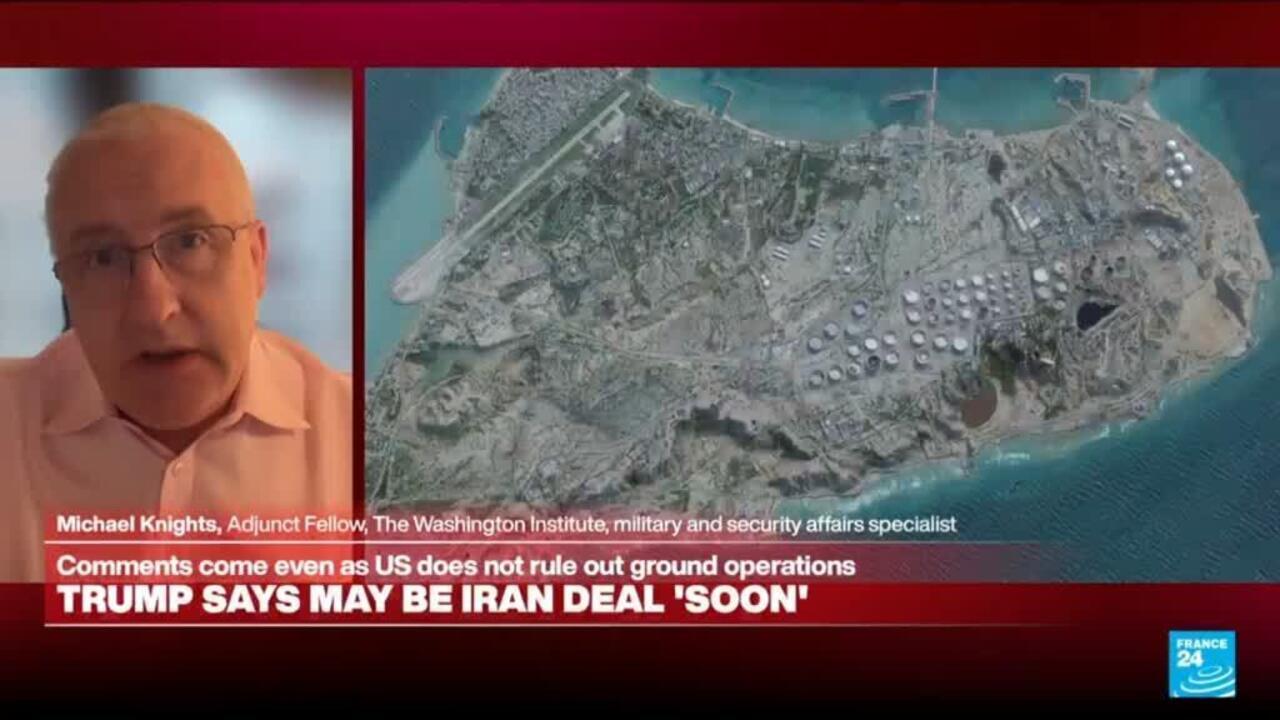
President Donald Trump stated he wanted to take Iran’s oil and suggested US troops could seize the country’s Kharg Island export hub. Reports confirmed a military buildup in the Middle East as the administration seeks an offramp in the conflict. This strategy emerged from comments published on March 30 regarding potential negotiations.
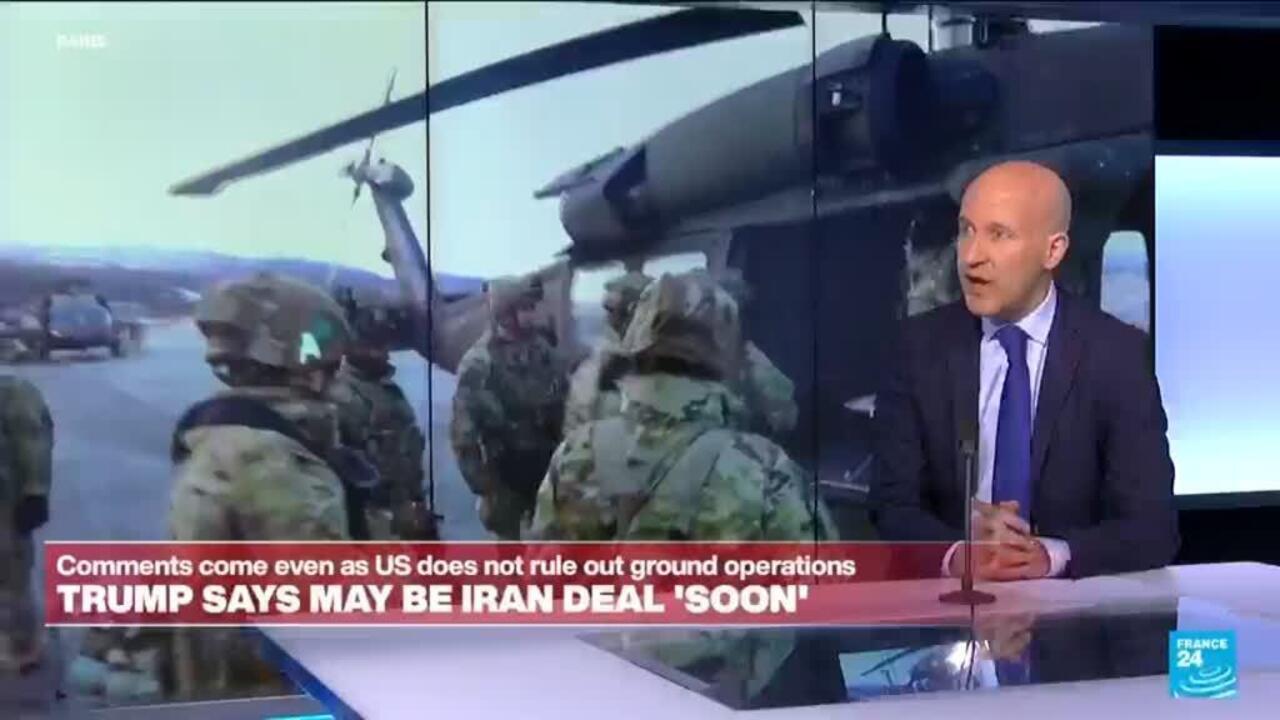
Hundreds of commandos have arrived in the region, according to the New York Times. The deployment supports a broader strategy to increase leverage against Tehran. Military assets are positioned to threaten key Iranian infrastructure targets. Washington aims to pressure Tehran through a show of force.
President Trump added in comments that a deal with Tehran to end the war could be made fairly quickly. This contrasts with historical timelines for negotiating with the Islamic Republic. The administration hopes to use force to accelerate diplomatic outcomes. Market observers note the significance of the Kharg Island target.
Iranian Response and Military Stance
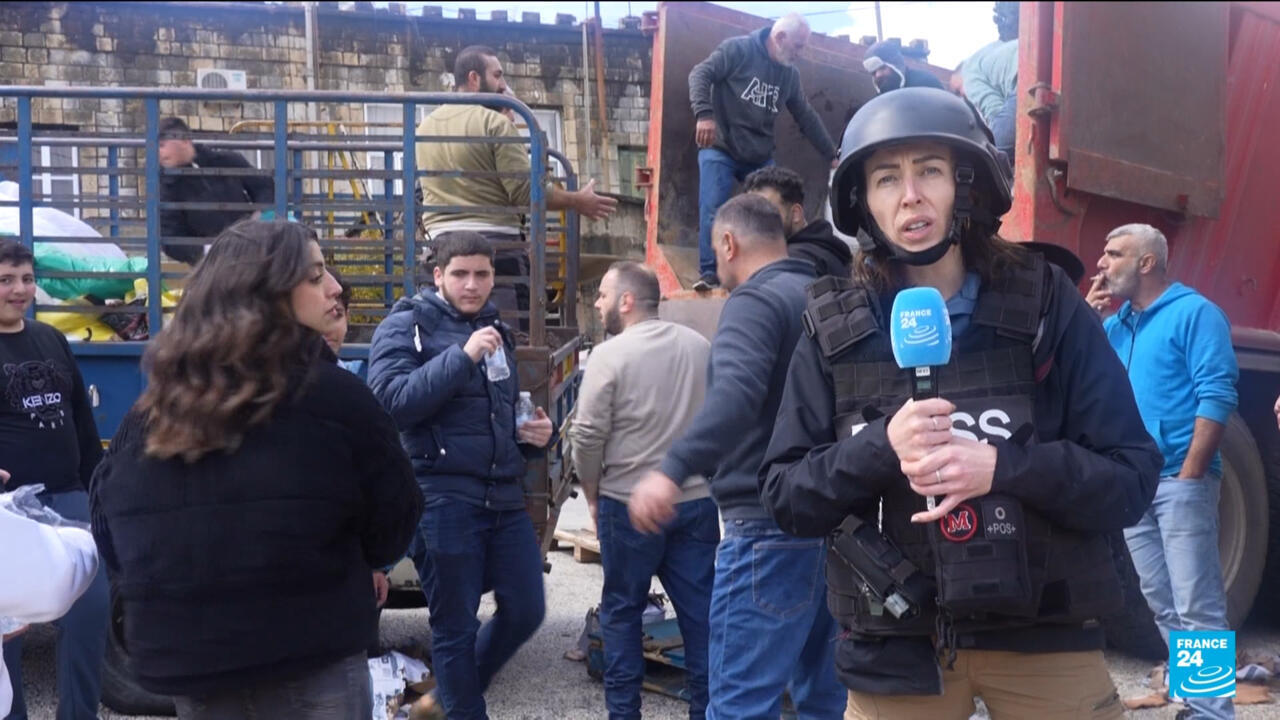
Iran has dismissed the talks as a cover to get more US troops in the area. Officials stated they would not engage under these specific conditions. France 24 reported that Tehran views the buildup as hostile rather than diplomatic.
The threat targets Kharg Island, a major export hub for crude oil. Disruption to this facility could send energy prices soaring globally. Economists warn that instability in the Persian Gulf affects supply chains worldwide. Tehran claims the negotiations are a distraction from the actual military presence.
Global Economic Implications
Energy markets reacted to similar threats in previous years. The Brent crude benchmark often spikes during regional instability. Traders are currently pricing in a risk premium for the Persian Gulf.
Investors are watching for volatility in oil and currency markets. A prolonged conflict would likely drive up insurance costs for shipping. Global growth projections could suffer from sustained energy shocks. Economic data from major consumers may reflect these disruptions soon.
Washington maintains that the goal is to secure a favorable agreement. However, critics argue that military threats complicate diplomatic channels. The balance between coercion and negotiation remains delicate. Regional actors are monitoring US intentions closely for signs of actual combat.
The situation remains fluid as both sides prepare for potential confrontation. Future developments will depend on whether diplomacy or force takes precedence. La Era will continue to monitor the geopolitical shifts in the region.