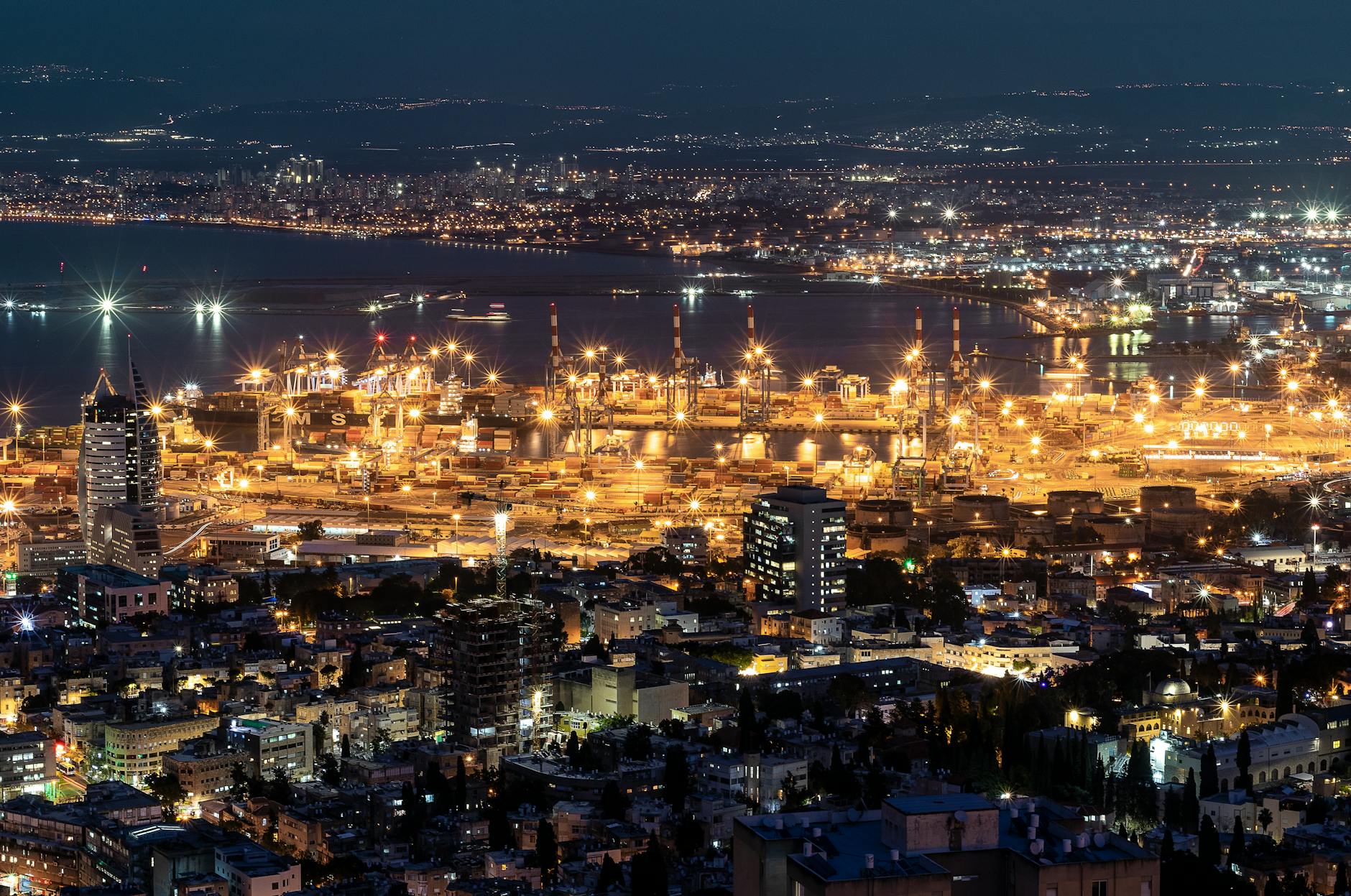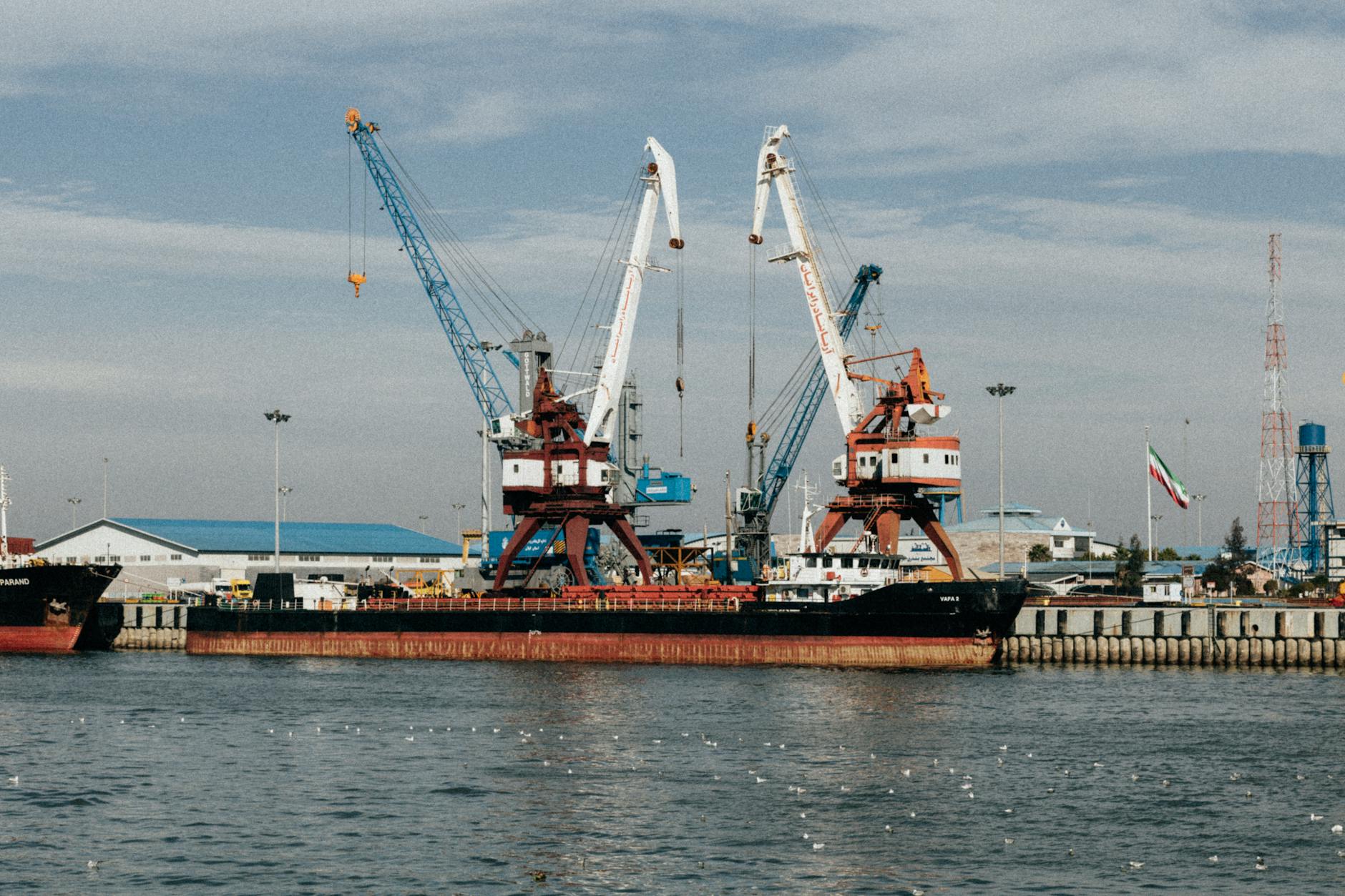
The United States has implemented a blockade on Iranian ports following the failure of peace talks in Islamabad, according to shipping data and Al Jazeera reports.
At least three vessels, including two US-sanctioned tankers, entered the Gulf through the Strait of Hormuz on Tuesday despite the new restrictions. The Panama-flagged Peace Gulf, a medium-range tanker, is currently heading to Hamriyah port in the United Arab Emirates, LSEG data showed.
Two other sanctioned vessels, the Murlikishan and the Rich Starry, also transited the waterway. The Rich Starry, owned by China's Shanghai Xuanrun Shipping Co Ltd, is carrying approximately 250,000 barrels of methanol.
Because these vessels are not currently heading to Iranian ports, they have not been affected by the blockade, which President Donald Trump announced Sunday. The US administration aims to strip Tehran of its control over the Strait of Hormuz, a chokepoint through which one-fifth of global energy exports pass.
Al Jazeera’s Malik Traina, reporting from Kuwait City, noted the complexity for the shipping industry. “This complicates everything for commercial vessels that have been stranded in the Gulf. They now have to get permission from Iran to pass through, as well as the US,” Traina said.
Traina also warned of potential retaliation: “There’s a real risk of escalation here, because if Iranian vessels are stopped, if Iranian oil is stopped, Iran could perhaps stop other vessels from the Gulf coming and entering the strait.”
Global energy markets face supply shock
The International Energy Agency (IEA) has sharply cut its forecasts for global oil supply and demand growth. The IEA predicts global oil demand will fall by 80,000 barrels per day (bpd) this year, a reversal from a previously projected rise of 640,000 bpd.
According to the IEA report, the war on Iran has caused the largest oil supply disruption in history, with 10.1 million bpd lost in March. The agency expects a projected 1.5 million bpd drop in demand during the second quarter of this year, marking the deepest contraction since the COVID-19 pandemic.
IEA chief Fatih Birol reported that several unnamed countries are holding onto energy stocks and imposing export restrictions. “Demand destruction will spread as scarcity and higher prices persist,” the IEA report stated.
Despite the conflict, Iranian officials claim their petroleum revenues remain stable. Iranian Petroleum Minister Mohsen Pakneyad stated that “exports of oil did not stop for a single day” during the recent offensive.
Pakneyad noted that sales in March and April have been “favorable and a reason for hope for the country,” according to the Iranian news agency Tasnim. He added, “Part of the resources will be destined to rebuild the industry, so this distribution must be optimized and prioritized based on final achievements.”
Simultaneously, the first direct bilateral talks between Israel and Lebanon since 1993 are taking place in Washington, D.C. The meeting, held at the US Department of State headquarters, involves Lebanese Ambassador Nada Hamadeh and Israeli Ambassador Yechiel Leiter.
US Secretary of State Marco Rubio is participating in the high-level session, which the State Department describes as a response to “Hezbollah’s reckless actions.” A US official stated, “Israel is at war with Hezbollah, not Lebanon, so there is no reason the two neighbours should not be talking.”
However, the diplomatic effort faces significant opposition from Hezbollah. Hezbollah leader Qassem Naim called the talks a “ploy to pressure the armed group... into laying down its weapons.”
The negotiations follow an intense Israeli military offensive in Lebanon that has killed at least 2,089 people, including 165 children and 87 medical workers, and displaced over 1.2 million people, according to Al Jazeera.