Washington and Tel Aviv have launched a sustained military campaign against Tehran for three weeks of intense combat. Fighting began on February 28 with the stated aim of degrading Iran’s regional power significantly and securing strategic interests. Officials have offered conflicting objectives ranging from regime change to complete nuclear disarmament and total military destruction. The administration provides a carousel of contradicting final goals for the joint effort against the Islamic Republic government.
Experts describe the conflict as evolving through distinct operational phases over the last month of active fighting. Initial attacks focused on decapitating the command structure and killing top officials like the Supreme Leader Ali Khamenei. Analysts note this aimed to paralyze decision-making within the Islamic Republic system effectively and quickly. Hamidreza Azizi stated the approach paved the way for potential regime transformation and leadership appointment soon.
A second phase targeted internal security institutions and domestic police headquarters across the country systematically. Reports suggest Washington intends to erode capacity for maintaining order during the internal unrest and protests. The goal appears to be fostering internal protests or activating armed cells from within the borders. This strategy aims to weaken the state’s ability to preserve public safety and control the population.
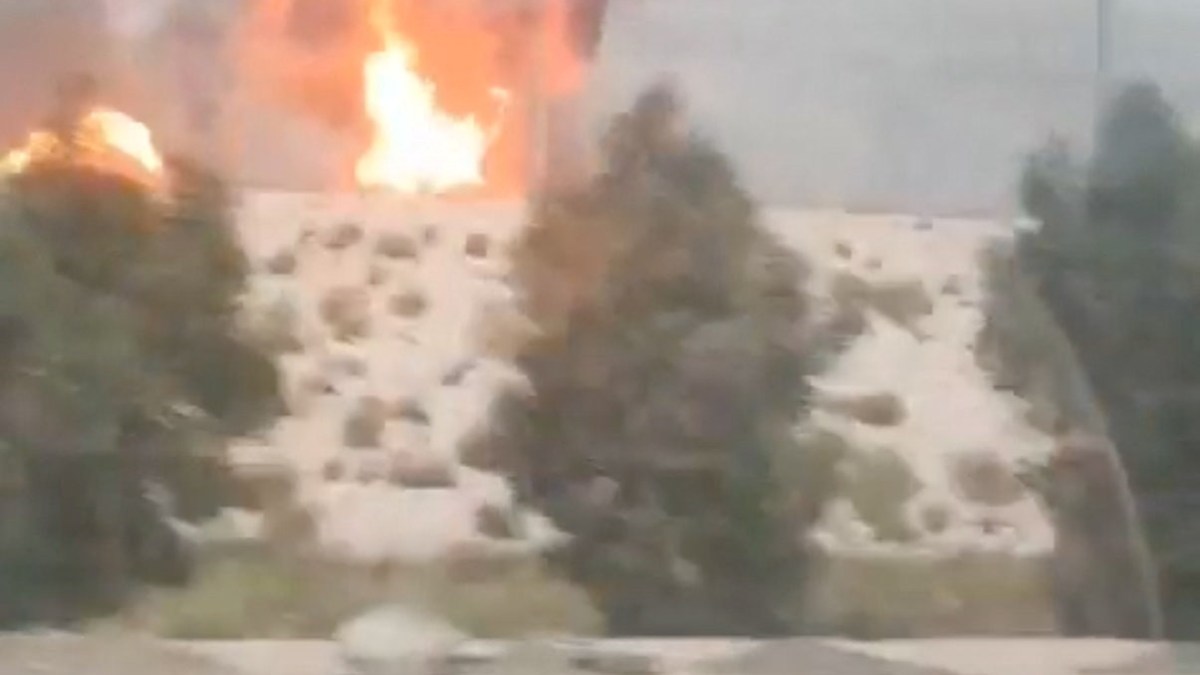
Recent strikes indicate a clear shift toward civilian infrastructure and energy sectors within the Persian Gulf region. Israel targeted the South Pars gasfield this week, sparking immediate retaliation from Tehran against Qatar’s Ras Laffan facility and Saudi Arabia’s Samref refinery. This escalation complicates Washington’s attempt to manage allies without direct approval for the specific operation beforehand. Trump noted US forces knew nothing about this particular attack before Israel launched it independently.
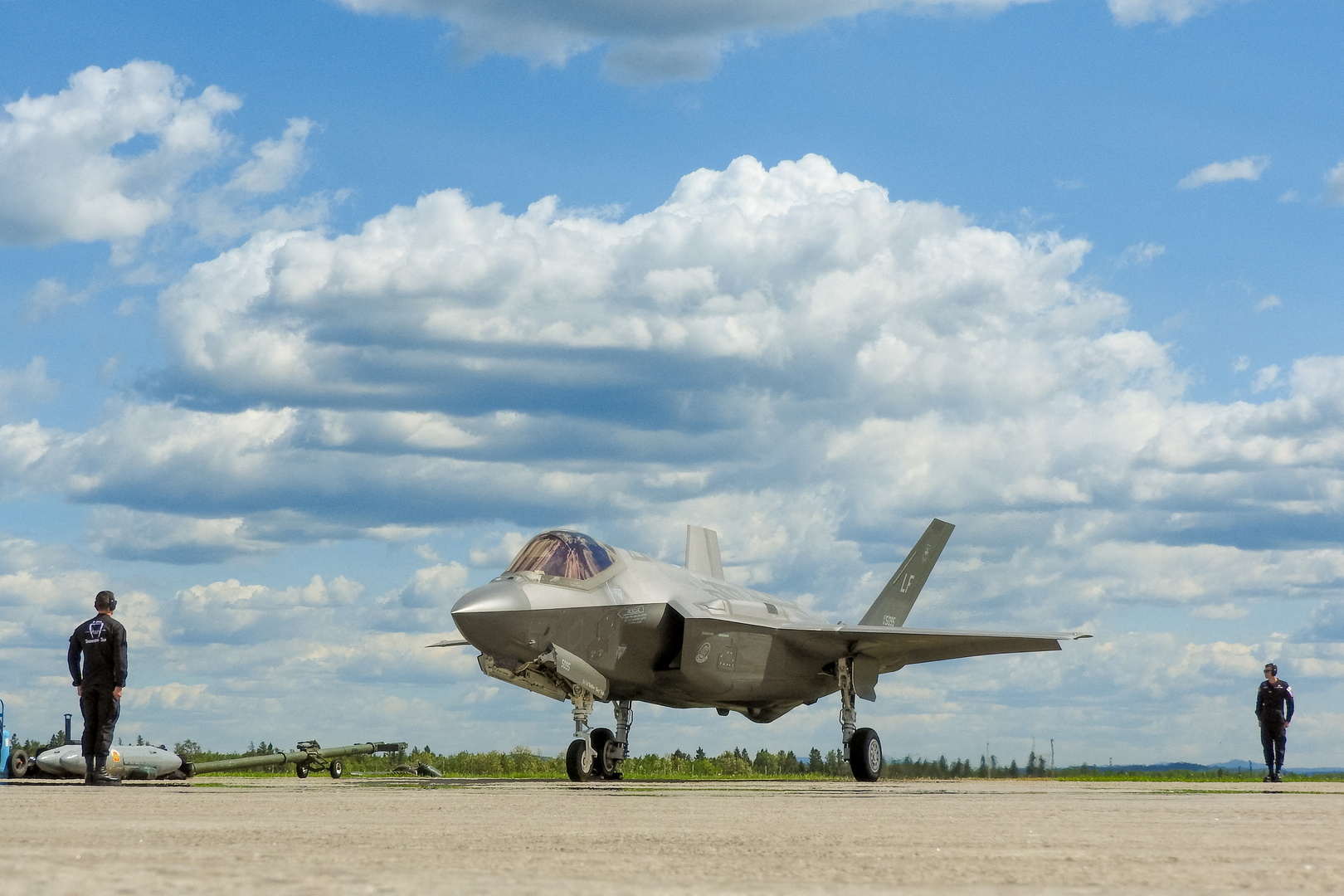
Data from the Armed Conflict Location & Event Data Project tracks 1,434 strike events so far in the conflict. US and Israeli forces have conducted over 8,000 combat missions since the start of hostilities on February 28. Conversely, Iran has launched 835 retaliatory strike events against regional assets and allies in response. Nuclear facilities have been some of the least hit targets in the current military campaign.
Despite military degradation, intelligence officials warn the regime remains intact and functional despite the damage. Director of National Intelligence Tulsi Gabbard stated the government is largely degraded but functional in terms of command. She noted Tehran retains the ability to rebuild missile forces over years without external assistance or help. Experts warn of a very long war of attrition in which Iran can stay active and drive events.
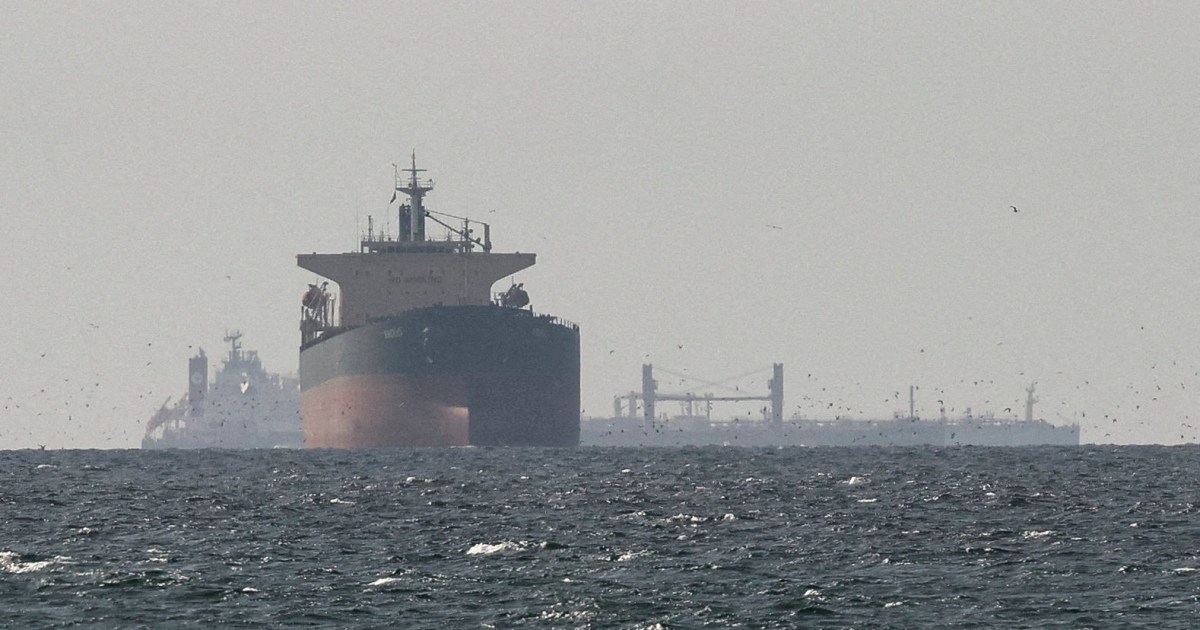
Strategic risks center on the Strait of Hormuz and critical global energy security routes that remain vital. Pentagon Chief Pete Hegseth requested $200 billion to fund the ongoing war effort effectively and sustain operations. Critics argue securing the waterway requires thousands of troops, not just air power alone or naval dominance. Jason Campbell questioned whether there is a military solution to taking control of the strait save for boots-on-the-ground deployment.
Diplomatic off-ramps remain limited as both sides escalate targeting infrastructure and leadership positions continuously. Iran closed the Strait in response to strikes on its energy infrastructure and refineries in the region. Any solution leaving Iran as gatekeeper represents a strategic failure for Washington and its allies. Future operations may involve ground deployments to hold key terrain like Kharg Island soon to secure access.
Speaking during a Senate committee hearing on Wednesday, DNI Gabbard gave a sobering account of the situation. She noted that the regime in Iran appears to be intact but largely degraded by the US and Israeli campaign. Even so, Iran and its proxies remain capable of and continue to attack US and allied interests in the Middle East.