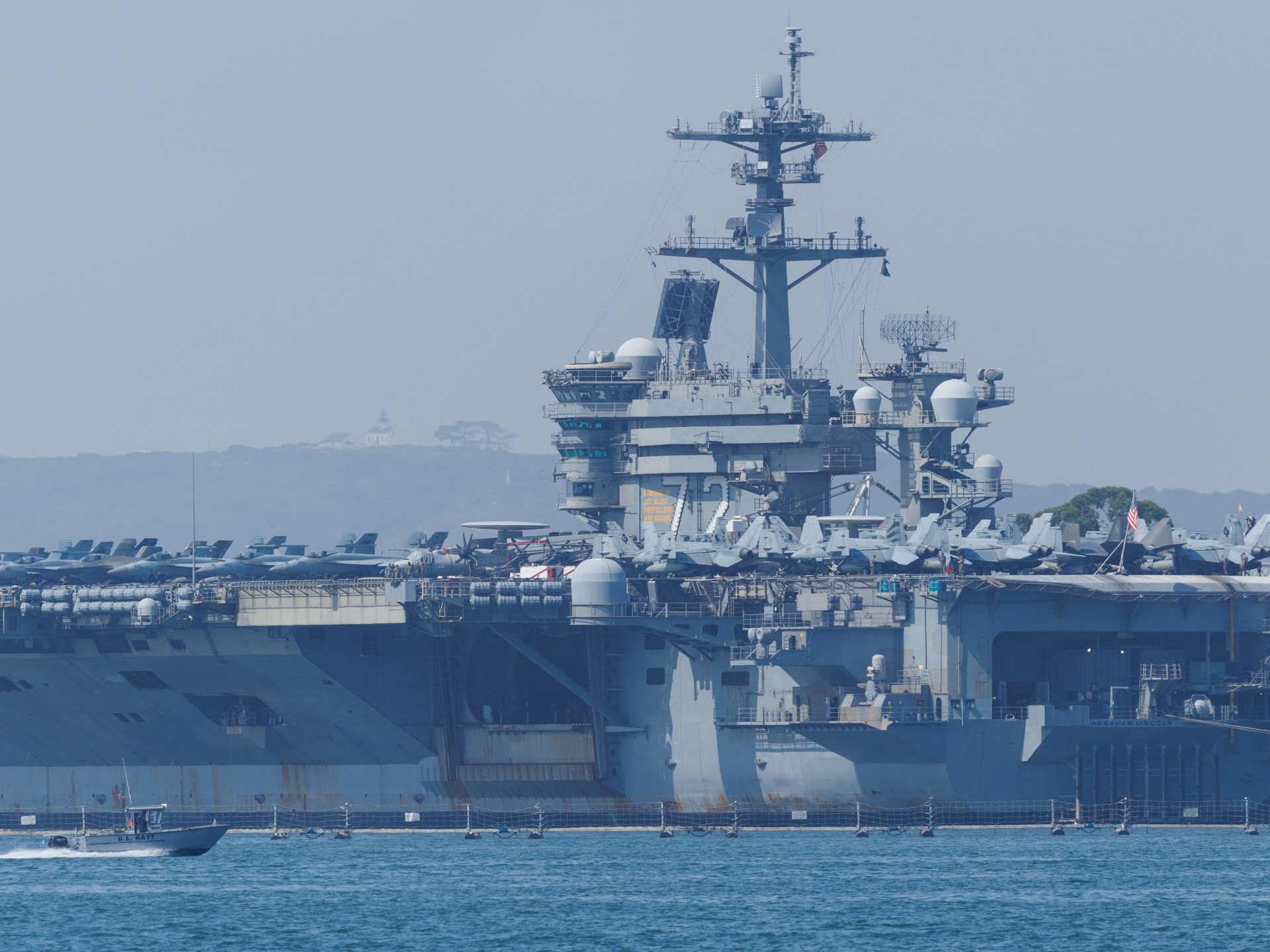
The United States and Iran are locked in an escalating diplomatic and military confrontation, evidenced by the deployment of US naval assets into the Arabian Sea proximate to Iranian territory. This mobilization follows a stern ultimatum from US President Trump demanding Iran immediately return to negotiations concerning its nuclear activities, according to reports from Al Jazeera.
President Trump reportedly warned that the naval forces now being positioned surpass previous deployments, signaling a potential military escalation beyond previous incidents. Iranian Foreign Minister Abbas Araghchi countered these threats, asserting that Tehran's military is prepared for immediate and powerful retaliation against any new American aggression.
This current spike follows a significant military exchange seven months prior, when US bombers struck Iranian nuclear facilities, leading to Iranian retaliation against the US-used Al Udeid Air Base in Qatar. Such past kinetic exchanges underscore the high stakes involved in the current military brinkmanship between the two nations.
At the core of the dispute remains Iran's nuclear program, with US and Western allies demanding verifiable caps on enrichment, citing concerns that enrichment levels exceeding sixty percent, as recently reported by the IAEA, move Tehran closer to weapons-grade material. Iran consistently maintains its program is strictly for civilian energy production needs.
Economically, crippling US sanctions, reimposed after the US withdrawal from the Joint Comprehensive Plan of Action in 2018, have decimated Iran's economy, causing currency collapse and severe inflation. Iran's primary demand centers on the complete removal of these punitive economic measures which have drastically eroded the living standards of its middle class.
Furthermore, US demands extend to curtailing Iran's regional influence, often described as an 'axis of resistance,' which has seen recent setbacks with the fall of allied regimes in Syria and weakening of groups like Hezbollah. Iran views its extensive network of alliances and its burgeoning inventory of long-range ballistic missiles as essential components of its national security posture against regional adversaries like Israel.
Despite regional mediators, including Qatar, pushing for diplomatic off-ramps, analysts suggest that establishing meaningful dialogue will be highly challenging given the historical breach of trust following the US withdrawal from the JCPOA. The presence of major US assets, such as the USS Abraham Lincoln carrier group, indicates Washington prioritizes military readiness alongside its diplomatic overtures.