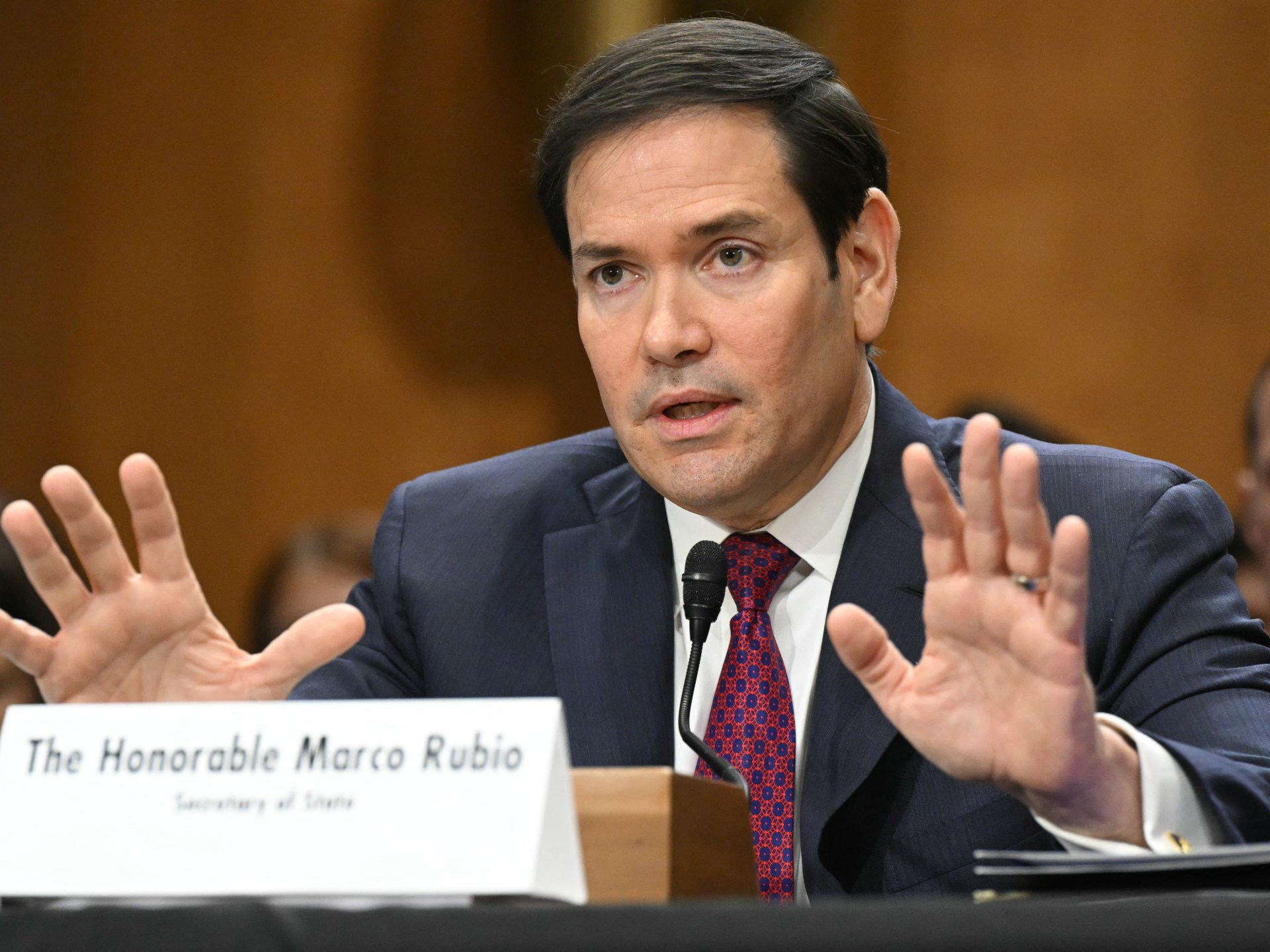
Secretary of State Marco Rubio appeared before the Senate Foreign Relations Committee this week to formally defend the January 3 abduction of Venezuelan President Nicolas Maduro, characterizing the operation not as an act of war, but as a 'strategic necessity' for hemispheric security. Maduro remains detained in the US facing drug trafficking and narco-terrorism conspiracy charges, marking an unprecedented escalation in US-Venezuela relations.
Rubio asserted that the continuation of Maduro’s government represented an 'enormous strategic risk' to the United States, citing Caracas's alleged role as a base of operations for global competitors, including Iran, Russia, and Cuba. He emphasized the destabilizing impact on the Caribbean Basin and neighboring states, positioning the extraordinary operation as the only viable path forward. This defense comes despite widespread condemnation from international bodies regarding the violation of sovereign norms.
Testimony revealed the administration's objectives centered on a phased transition toward a 'friendly, stable, prosperous Venezuela – and democratic.' Crucially, Rubio indicated an initial strategy involving direct engagement with elements controlling the state apparatus, including interim President Delcy Rodriguez, rather than immediate full endorsement of the opposition.
Debate among lawmakers focused on both the legality and the fiscal implications of the action. Senator Rand Paul directly questioned whether the operation met the constitutional definition of war, a claim Rubio dismissed by citing Maduro’s contested 2024 election and existing US indictments. Meanwhile, Senator Jeanne Shaheen highlighted domestic concerns, noting external analysts estimate the military action and ongoing naval blockade have already cost US taxpayers approximately $1 billion.
Regarding future military posture, Rubio sought to temper escalation fears, stating the US is 'not postured and do not expect to take military action.' However, he stopped short of entirely ruling out future strikes necessary to safeguard core US interests in the region, even as military assets remain surged.
The administration’s economic strategy hinges on the normalization of Venezuela’s vital oil industry. Rubio detailed a short-term mechanism where sanctioned oil sales would be permitted, with proceeds deposited into an escrow account overseen by Washington, earmarked for the Venezuelan people. This is intended to transition toward a system free from 'graft and corruption,' aligning with US corporate interests seeking greater access.
The administration is leveraging legislative moves within Venezuela—specifically a law opening the oil sector to international participation—to further its transition goals, signaling a concerted effort to reshape the South American nation’s geopolitical and economic alignment. (Source: Al Jazeera reporting on Senate testimony.)