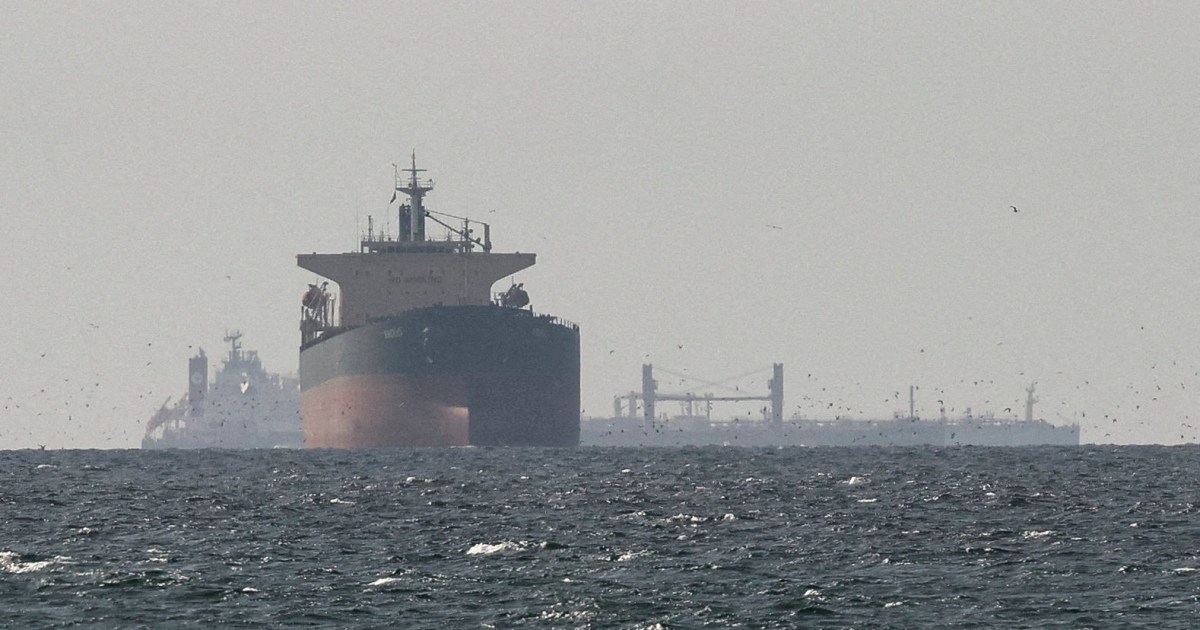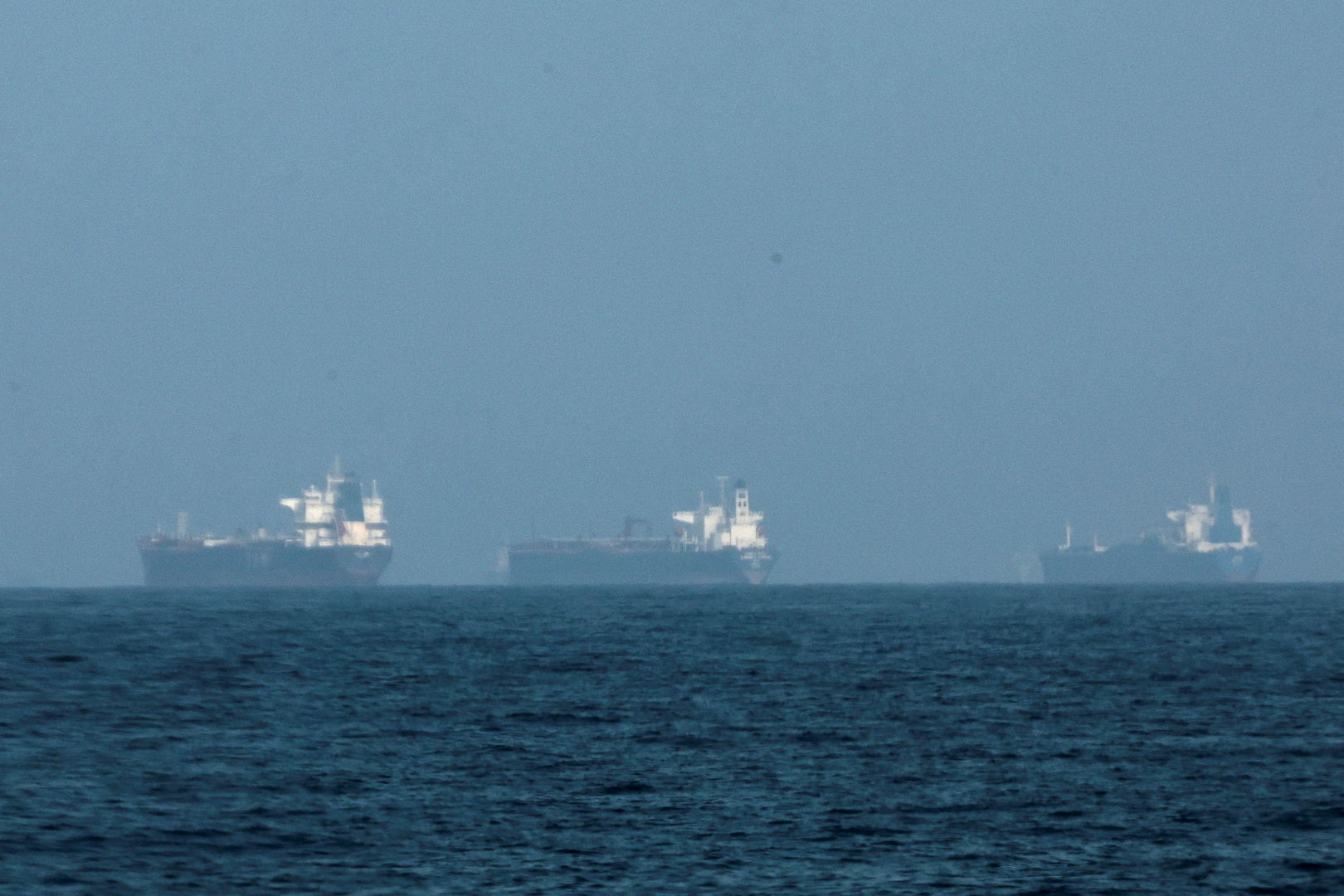
The United States government is reportedly considering the removal of sanctions on Iranian oil that remains stranded on tankers at sea. This potential policy shift emerged on March 20, 2026, amidst heightened tensions in the Middle East region. Analysts believe the decision could significantly alter the trajectory of ongoing regional conflicts and economic stability.
Political economist Will Hutton told Al Jazeera that lifting the ban would signal the beginning of the end of the war. He emphasized the economic weight behind diplomatic gestures during his interview regarding the situation. His assessment highlights the direct link between energy access and regional stability in the region.
Millions across the Middle East are currently celebrating Eid al-Fitr under the persistent threat of military conflict. The holiday period coincides with heightened security concerns in several key nations across the region. Local populations remain wary despite the festive atmosphere surrounding the religious observance and community gatherings.
President Donald Trump reportedly called NATO allies cowards over alleged lack of support for an Iran war. This comment underscores deep friction within the Western alliance regarding the nature of the conflict. Such rhetoric may influence future defense cooperation strategies among member states and partners.
Economic markets are closely watching the status of oil supplies from the Persian Gulf basin with intense scrutiny. Sanctions removal could increase global supply and lower prices for consumers worldwide significantly. Conversely, failure to proceed might sustain high volatility in energy sectors for months without resolution.
Previous sanctions regimes have historically caused significant disruption to trade flows and shipping routes across the ocean. The current stranded tankers represent billions of dollars in frozen assets for Tehran. Unlocking these reserves would require complex verification measures by international bodies and regulatory agencies.
Regional powers are likely preparing for multiple scenarios following the US announcement regarding relief measures. Investors are pricing in risk premiums until official policy details emerge from Washington. Uncertainty often drives temporary spikes in commodity futures during such transitions in the market.
The administration must navigate domestic pressure regarding foreign policy decisions and national security. Congressional oversight could play a role in finalizing any sanction relief measures proposed. Legislative backing remains a critical hurdle for executive orders affecting trade and commerce.
International observers will scrutinize any verification protocols used to monitor shipments closely. Ensuring compliance prevents illicit trade while supporting legitimate economic recovery efforts. Transparency is essential for maintaining trust among global partners and allies in the region.
Future developments will depend on diplomatic negotiations between Washington and Tehran moving forward. Markets will react sharply to confirmed news from official government channels in the coming weeks. Stakeholders should prepare for potential volatility in the energy sector and broader global economy.