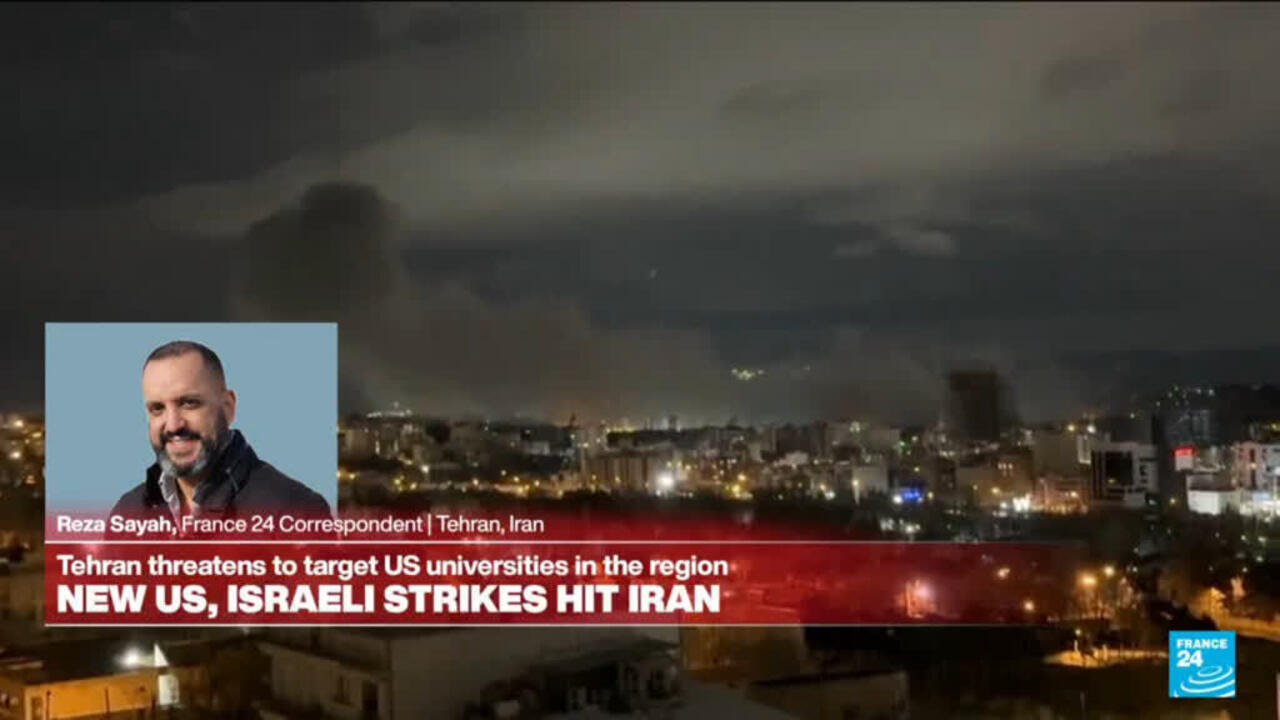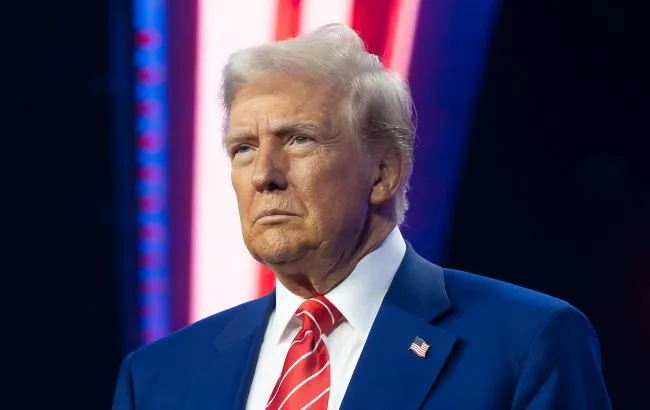
Unconfirmed reports suggest that the administration of President Donald Trump is actively considering targeted military action against Iranian assets, potentially including strikes on military installations, as a means to escalate domestic unrest within Iran. This potential escalation is framed by some within the administration as a direct response to the severe crackdown witnessed against protesters earlier this year.
The underlying strategic objective appears to be the inducement of a 'regime change' scenario, utilizing military pressure as leverage against key Iranian military commanders deemed responsible for the violent suppression of civilian demonstrations. This approach reflects a significant hardening of the US posture toward Tehran, moving beyond sanctions to direct kinetic contemplation.
However, internal assessments cited by sources familiar with the discussions express considerable doubt that such strikes would achieve the desired outcome of mass mobilization. On the contrary, there is concern that military intervention could inadvertently consolidate public support around the existing regime, thereby weakening the already beleaguered domestic opposition movement, which has faced its most severe repression since the 1979 Islamic Revolution.
Beyond limited strikes aimed at military infrastructure, discussions have reportedly included significantly more expansive options, such as strikes targeting sensitive nuclear enrichment facilities or ballistic missile production sites. The scope of potential action remains broad, underscoring the high-stakes deliberation currently underway in Washington.
Crucially, no final decision regarding the application of force has been formalized by the President. The operational calculus has been enhanced by the recent deployment of a US carrier strike group and naval assets to the Middle East this week, providing the executive branch with immediate, credible military options following repeated threats of intervention over the internal crackdown.
The geopolitical ramifications of such an action would be profound, risking a direct military confrontation and potentially destabilizing the wider Gulf region, a critical nexus for global energy flows. The efficacy of using external military force to engineer internal political outcomes remains a highly contentious debate among foreign policy experts.
This development places renewed focus on the fragility of the Iranian internal political landscape and the high-risk calculus involved in attempting to influence it through overt military signaling. The administration appears to be balancing the desire for systemic change against the tangible risk of unintended strategic consequences. (Source: Based on reporting by Reuters.)