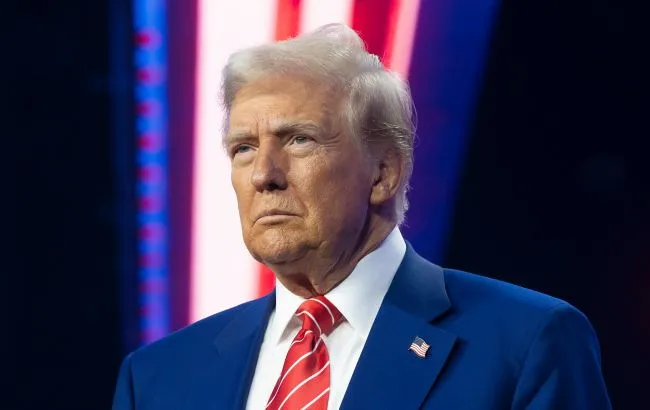
The administration of President Donald Trump is reportedly considering military operations against Iran, including strikes on military facilities, with the explicit goal of galvanizing ongoing internal protests, according to reporting by Reuters. This potential escalation follows harsh security responses implemented by Tehran against demonstrators earlier in the year. The underlying objective appears to be fostering a change in regime within the Islamic Republic.
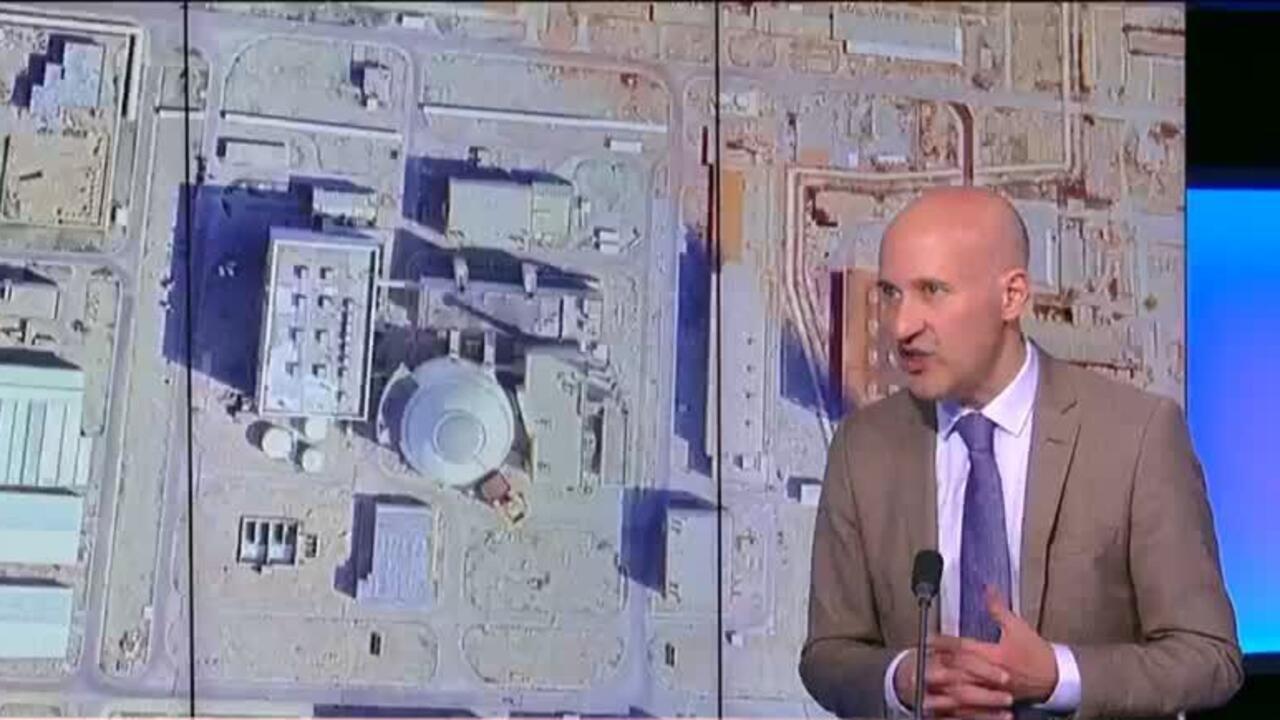
Administration aides are evaluating these military options as a direct means of exerting pressure on Iranian military officials deemed responsible for the violent suppression of civilian dissent. Furthermore, discussions involve significantly more extensive strikes, potentially targeting uranium enrichment sites or ballistic missile production facilities. The White House has not confirmed any final decision regarding the use of force at this time.
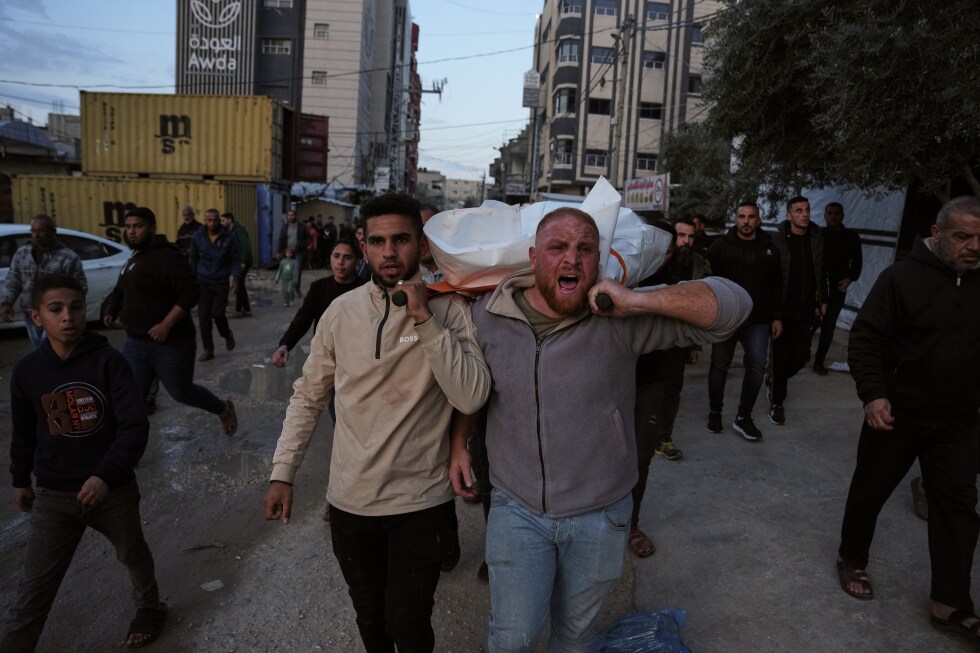
Sources familiar with the internal discussions expressed apprehension that external military intervention might not translate into renewed mass street demonstrations. Instead, these sources fear that strikes could further undermine the protest movement, which is already facing considerable strain following the most severe state repression since the 1979 Islamic Revolution.
Geopolitical positioning has recently shifted, enhancing the President's capacity for military response. The deployment of a US aircraft carrier and accompanying naval assets to the Middle East this week provides tangible operational readiness following repeated threats of intervention over the situation in Iran.
From an economic perspective, any overt military engagement in the Persian Gulf region carries immediate risks for global energy supply chains. Escalation could trigger volatility in crude oil futures, impacting international inflation dynamics already under strain.
Geopolitically, such a move would represent a significant departure from diplomatic engagement, potentially fracturing existing alliances focused on containing regional instability. The calculus involves balancing the stated goal of internal political change against the severe risks of regional miscalculation.
While the immediate focus remains on tactical options for influencing domestic Iranian politics, the broader implication concerns Washington's willingness to employ kinetic force to achieve regime objectives. The ultimate decision rests on whether the perceived benefit outweighs the substantial, immediate risks of wider conflict.