In a significant, albeit incomplete, breakthrough on Capitol Hill, bipartisan consensus has reportedly emerged on funding for the majority of the US federal government, narrowly avoiding an immediate fiscal cliff. Senate Republicans and Democrats have settled on a package comprising five of six necessary spending bills, effectively isolating the Department of Homeland Security (DHS) for separate negotiation. The agreement, endorsed by the US President, secures appropriations for crucial sectors including Defense, Health, Treasury, and the federal judiciary until the end of the 2026 fiscal year on September 30.
This strategic decoupling is designed to insulate core government functions from the intense policy disputes centered around immigration enforcement and the operational conduct of DHS agencies like ICE and CBP. The exclusion of DHS funding allows the primary spending package to advance, though a procedural vote in the Senate still requires 60 votes to overcome potential obstruction, highlighting ongoing legislative fragility.
However, the path to final passage remains fraught. Key Republican figures, such as Senator Lindsey Graham, have signaled opposition, labeling the deal 'a bad deal.' Graham’s specific objections center on the omission of legislation criminalizing certain actions related to the January 6 Capitol riot investigations and the absence of measures targeting 'sanctuary cities,' indicating that internal fissures within the Republican caucus could still derail the broader package.
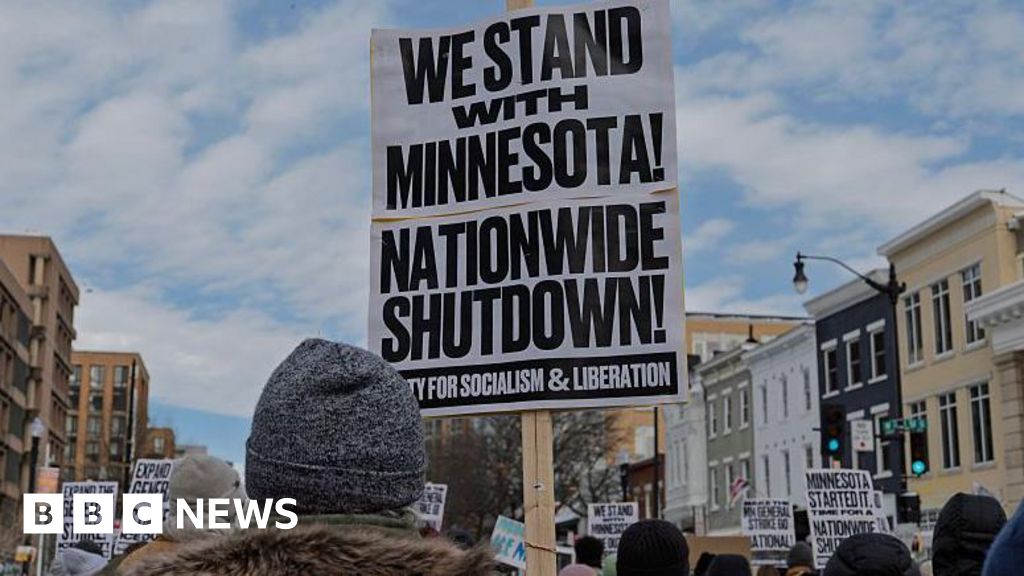
The immediate crisis concerning DHS operations has been temporarily managed by extending current funding levels for two weeks. This extension provides a narrow window for negotiators to address Democratic demands, which have escalated following recent controversial use-of-force incidents involving federal agents in Minnesota. Democrats have pressed for stringent reforms, including warrant requirements for arrests, and have even called for the removal of DHS Secretary Kristi Noem.
This temporary reprieve means that while the bulk of the government is funded, the threat of a partial shutdown over the weekend looms if the House of Representatives fails to re-approve the stripped-down Senate package before adjourning. While essential weekend services would be minimally impacted, the episode underscores the persistent difficulty in achieving routine fiscal stability amidst escalating partisan priorities, particularly concerning border and immigration policy.
Historically, government funding disputes have carried significant economic risk, as evidenced by the 43-day shutdown spanning late last year. While this current arrangement avoids a systemic shutdown, the two-week DHS extension pushes the political confrontation over immigration enforcement tactics to a later date, maintaining a persistent source of uncertainty for the Department’s operational planning and budget execution.
This development reflects a broader trend where appropriations bills are increasingly weaponized to force policy concessions, transforming routine budgetary exercises into high-stakes contests over executive power and domestic security mandates. The willingness of both parties to compromise on the larger package while drawing a hard line on DHS funding suggests a recognition of the immediate economic disruption a full shutdown would cause, even as deep ideological divides persist.
Source: Based on reporting from CBS News and analysis of congressional proceedings.