A significant policy divergence between Colombia and the United States over curbing cocaine production is set to be highlighted during the upcoming meeting between President Gustavo Petro and former President Donald Trump. Petro shifted away from decades of forced eradication, favoring voluntary crop substitution programs, a move that has drawn criticism from the Trump administration, which demands more aggressive anti-narcotics measures.
Colombia remains responsible for nearly 70% of the global cocaine supply, stemming from the cultivation of the coca leaf in rural areas like the Narino department. While Petro’s government continues targeted arrests of traffickers, critics argue that his approach has not curbed cultivation, which reportedly rose by roughly ten percent in 2023 according to United Nations data.
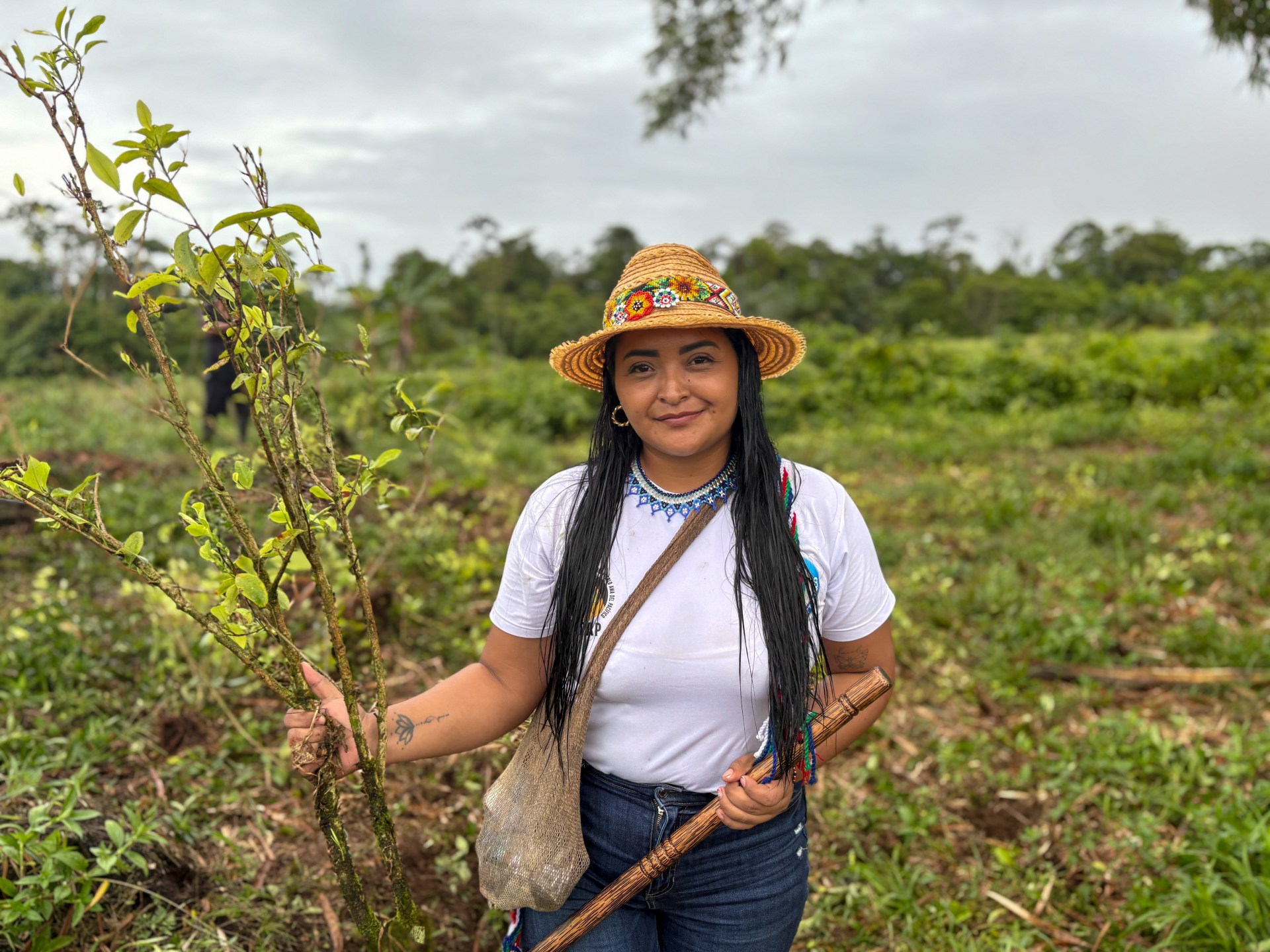
Supporters of Petro’s approach, including rural farmers participating in the National Program for the Substitution of Illicit Crops (PNIS), argue that forced eradication historically bred resentment without solving economic hardship. Farmers like Charles Martinez in the Awa Indigenous reserve reported that voluntary replacement with legal crops such as plantain offers a viable, though challenging, alternative livelihood.
Conversely, the Trump administration has publicly accused Petro of failing to act, even decertifying Colombia as a key US partner in the drug war last year. This friction is compounded by existing geopolitical tensions, as Petro has sought closer economic ties with China and criticized certain US foreign policy actions in the region, including those concerning Venezuela.
The Colombian government maintains its efforts are substantial, citing seizures of 276,000 kilogrammes of cocaine and the replacement of over 30,000 hectares of illicit crops under Petro’s tenure. However, the UN figures indicate potential cocaine output jumped 53% in 2023, prompting Bogotá to publicly question the accuracy and methodology of the international body’s reporting.
Analysts suggest the high-level meeting may be more about political posturing than immediate policy shifts, with both leaders seeking to claim success regarding the narcotics issue. Michael Weintraub of the University of the Andes noted that the underlying issue of consistent demand from North America and Europe ensures Colombia's role as a major producer for the foreseeable future.
Ultimately, the core challenge remains economic necessity in impoverished rural regions, where coca cultivation has historically provided the only reliable income stream. The success of voluntary substitution hinges on sustained government support and the creation of stable, profitable markets for alternative agricultural goods.