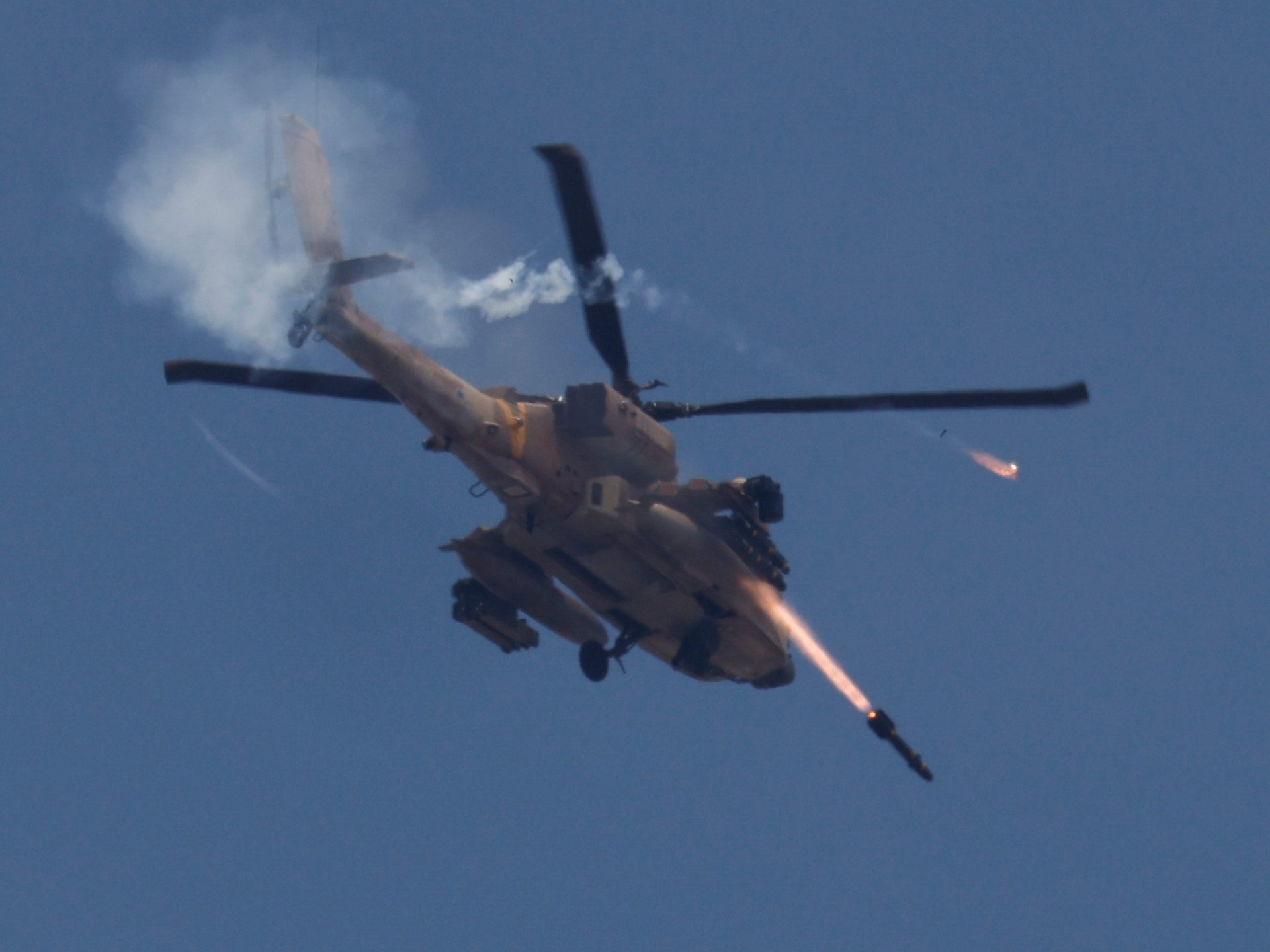
The United States Department of State announced on Friday the approval of several major foreign military sales to Israel totaling approximately $6.67 billion. This authorization clears the way for Israel to acquire 30 Boeing and Lockheed Martin-made Apache attack helicopters valued at $3.8 billion and infantry assault vehicles worth $1.98 billion. A third contract worth $740 million and another for light utility helicopters totaling $150 million were also authorized.
This significant transfer of military assets comes as a tenuous ceasefire between Israel and Hamas in Gaza has largely held since its implementation on October 10, 2025. Despite the agreement, Israeli forces have reportedly continued intermittent operations in the territory, resulting in further casualties, according to Gaza health officials referenced by aljazeera.com.
The State Department asserted that the proposed sales are consistent with vital US national interests, emphasizing the commitment to assisting Israel in maintaining a strong self-defense posture. This sustained military provisioning faces ongoing criticism from rights organizations and United Nations experts who argue such shipments fuel ongoing conflict.
Simultaneously, the US government approved a separate $9 billion sale to Saudi Arabia for 730 Patriot missiles and associated defense equipment. According to the State Department, this enhances the Kingdom’s ability to contribute to integrated air and missile defense systems in the region, benefiting local allies.
The geopolitical context surrounding these sales is tense, particularly regarding Iran, following reports that US President Donald Trump repositioned a naval armada nearby. Crown Prince Mohammed bin Salman reportedly communicated to Iranian President Masoud Pezeshkian that Saudi territory would not be used for military actions against Tehran.
These dual approvals highlight the strategic importance the US places on maintaining security partnerships across the Middle East, even as diplomatic efforts seek to stabilize volatile regional dynamics. The ongoing flow of advanced weaponry underscores Washington's long-term defense commitments in the area.