The United States and Israel launched a coordinated strike against Iran’s Natanz nuclear facility on Saturday morning. Iranian officials confirmed the attack targeted the Shahid Ahmadi Roshan enrichment complex in central Iran. The operation marks a significant escalation in the conflict that began on February 28.
The Atomic Energy Organisation of Iran issued a statement via the Tasnim news agency regarding the incident. Officials reported that no leakage of radioactive materials occurred at the site during the assault. They stated there is no immediate danger to the population living near the facility. This information was corroborated by local reports from the region.
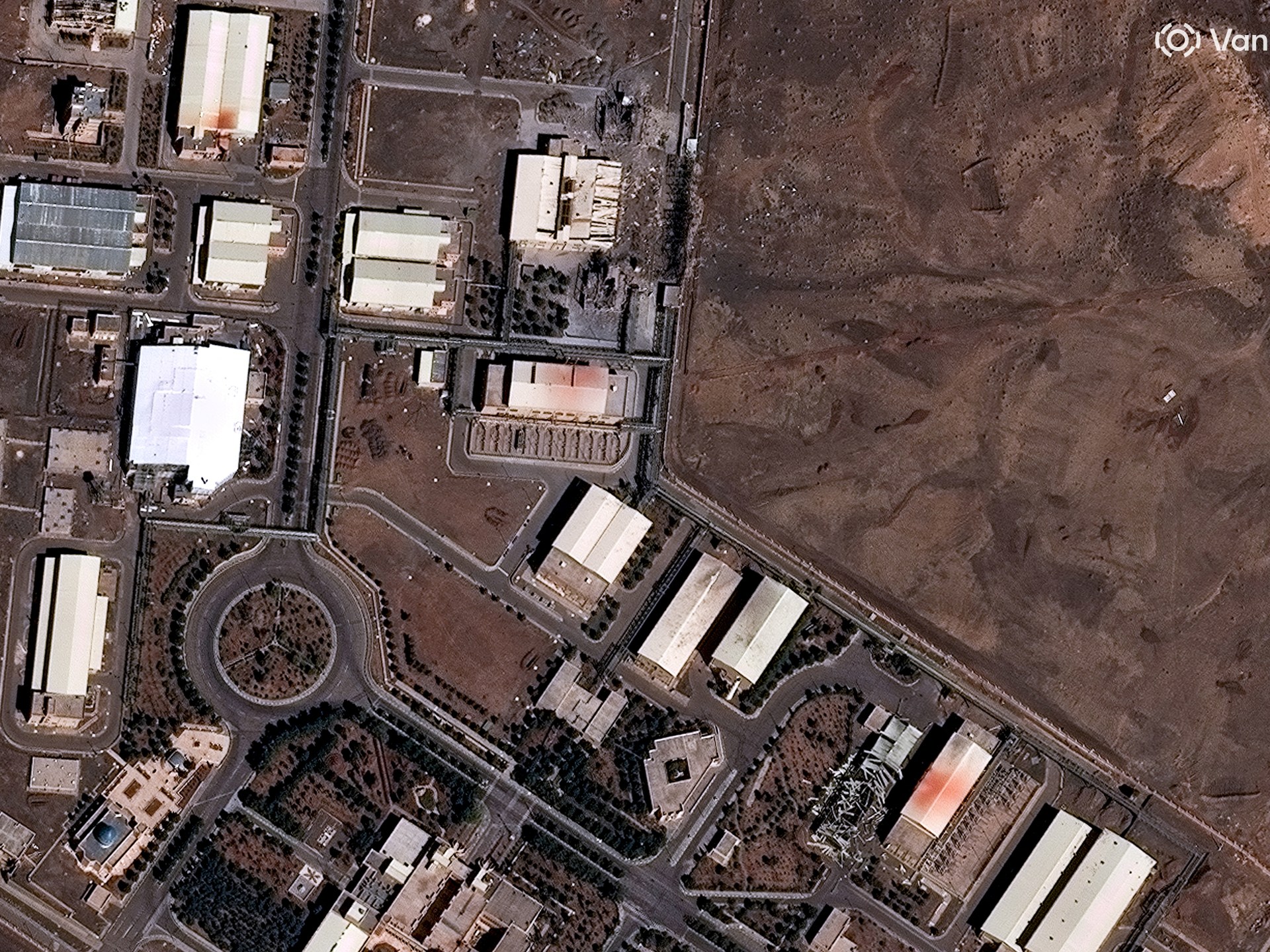
Natanz remains one of the most critical uranium enrichment sites within the country. It is located approximately 220 kilometers southeast of Tehran. The facility was previously damaged during the twelve-day war between Iran and Israel in June 2025. Satellite imagery from that period showed significant structural damage to several buildings.
The International Atomic Energy Agency confirmed that Iran has informed them about the latest attack. IAEA head Rafael Grossi emphasized the need for military restraint to prevent nuclear accidents. The watchdog noted that off-site radiation levels have not increased following the strike. They are currently investigating the report to verify the extent of the damage.
The White House stated that a primary objective of the war is to prevent Iran from acquiring nuclear weapons. This goal has driven the military actions taken by the United States and Israel since late February. Preventing nuclear proliferation remains the central justification for the ongoing hostilities. Diplomatic channels have not yet yielded a resolution to the crisis. Sanctions and trade restrictions are also part of the broader strategy.
Russia condemned the latest attack on the Natanz facility as a violation of international law. Russian Foreign Ministry spokeswoman Maria Zakharova released a statement criticizing the action. Moscow views the strike as an aggressive move that destabilizes the region further. This reaction adds to the growing geopolitical tension involving major global powers.
Israeli Defense Minister Israel Katz warned that strikes would intensify in the coming week. He stated that the intensity of operations by the IDF and US military would rise significantly. The warning targets the infrastructure relied upon by the Iranian regime. This suggests the conflict may enter a more aggressive phase immediately.
The economic implications of the strike could impact global energy markets significantly. Disruption in the Persian Gulf region often leads to volatility in oil prices. Investors are monitoring the situation closely for signs of further escalation. Supply chains in the Middle East remain vulnerable to renewed hostilities. Energy security concerns are paramount for European and Asian markets.
Regional allies and adversaries are likely to reassess their security postures in response to the attack. The lack of radioactive release offers some relief regarding environmental safety. However, the destruction of nuclear infrastructure creates long-term monitoring challenges. The IAEA will need to assess the site before any restart is considered.
Future developments will depend on whether diplomatic efforts resume amidst the fighting. Observers will watch for any retaliation from Iranian forces against US or Israeli assets. The coming week is critical for determining the trajectory of the war. Continued escalation could draw in additional regional actors into the conflict.