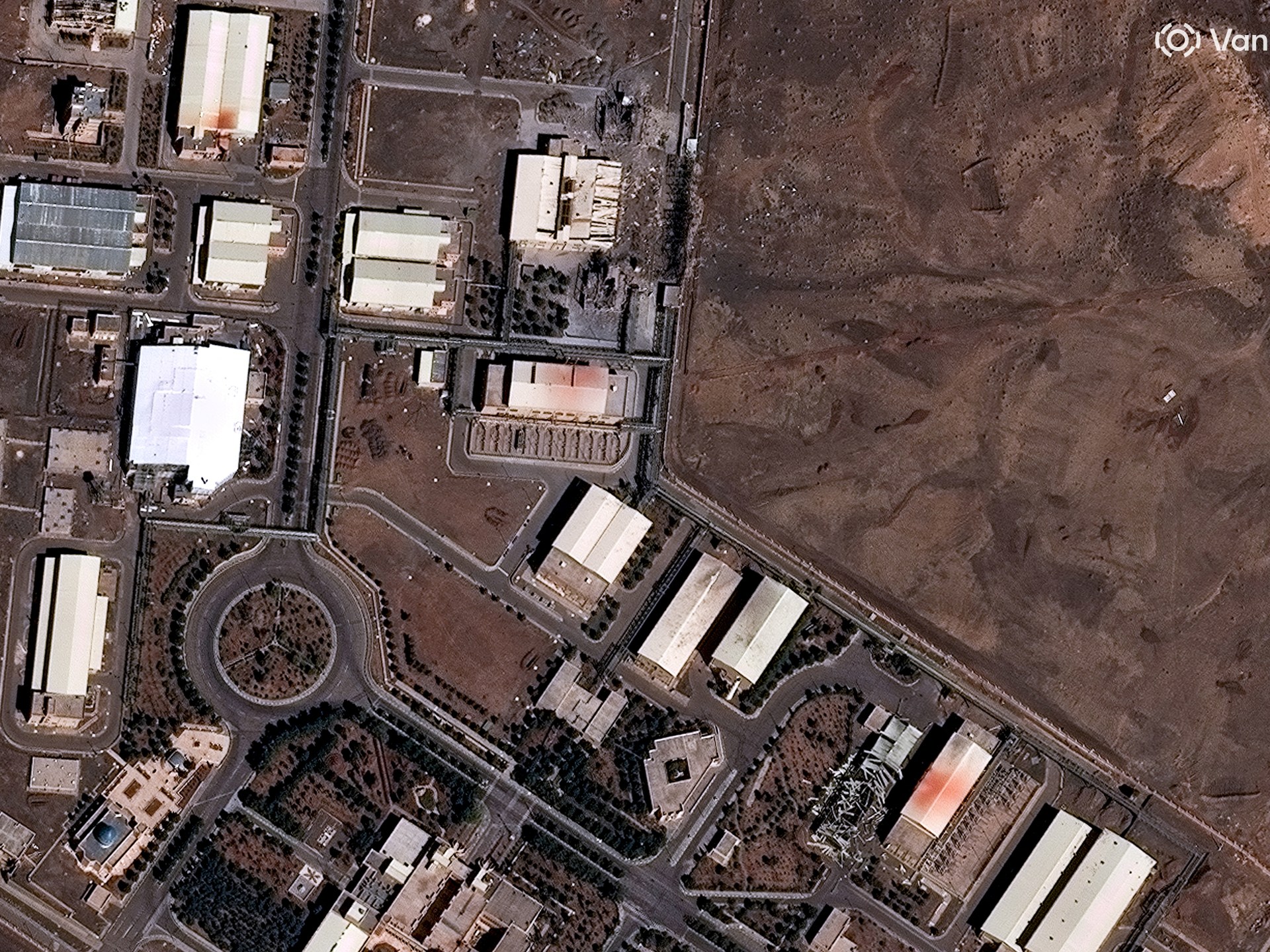
The ongoing military conflict between the United States and Israel against Iran has now entered its fourth week as of March 21. More than 1,400 people have been reported killed within Iranian territory during this sustained campaign according to Al Jazeera. Military strikes continue across the region despite international efforts to de-escalate the violence and protect civilian populations from collateral damage.
Tehran has launched retaliatory attacks against Israeli and American military bases located throughout the Middle East. Officials warned Western nations and Gulf states that global shipping lanes remain vulnerable to disruption from hostile actors. Energy infrastructure faces significant threats as tensions escalate during the holy holiday season and trading hours. Retaliation includes missile fire and drone swarms targeting specific logistical nodes.
The United Kingdom confirmed it permitted American forces to utilize local bases for specific missile operations against Iranian targets. This support extends the operational reach of coalition air strikes targeting defense capabilities within disputed airspace. British officials stated the decision aligns with broader allied security commitments in the area during this critical period. This logistical arrangement allows for faster response times to emerging threats across the theater.
Washington reportedly considers winding down the active combat phase while formally rejecting a comprehensive ceasefire proposal. Administration officials indicated that diplomatic solutions remain secondary to achieving specific strategic objectives in the near term. This stance complicates negotiations with regional partners seeking immediate stability and a reduction in hostilities. Negotiation teams remain active but results are unclear at this time.
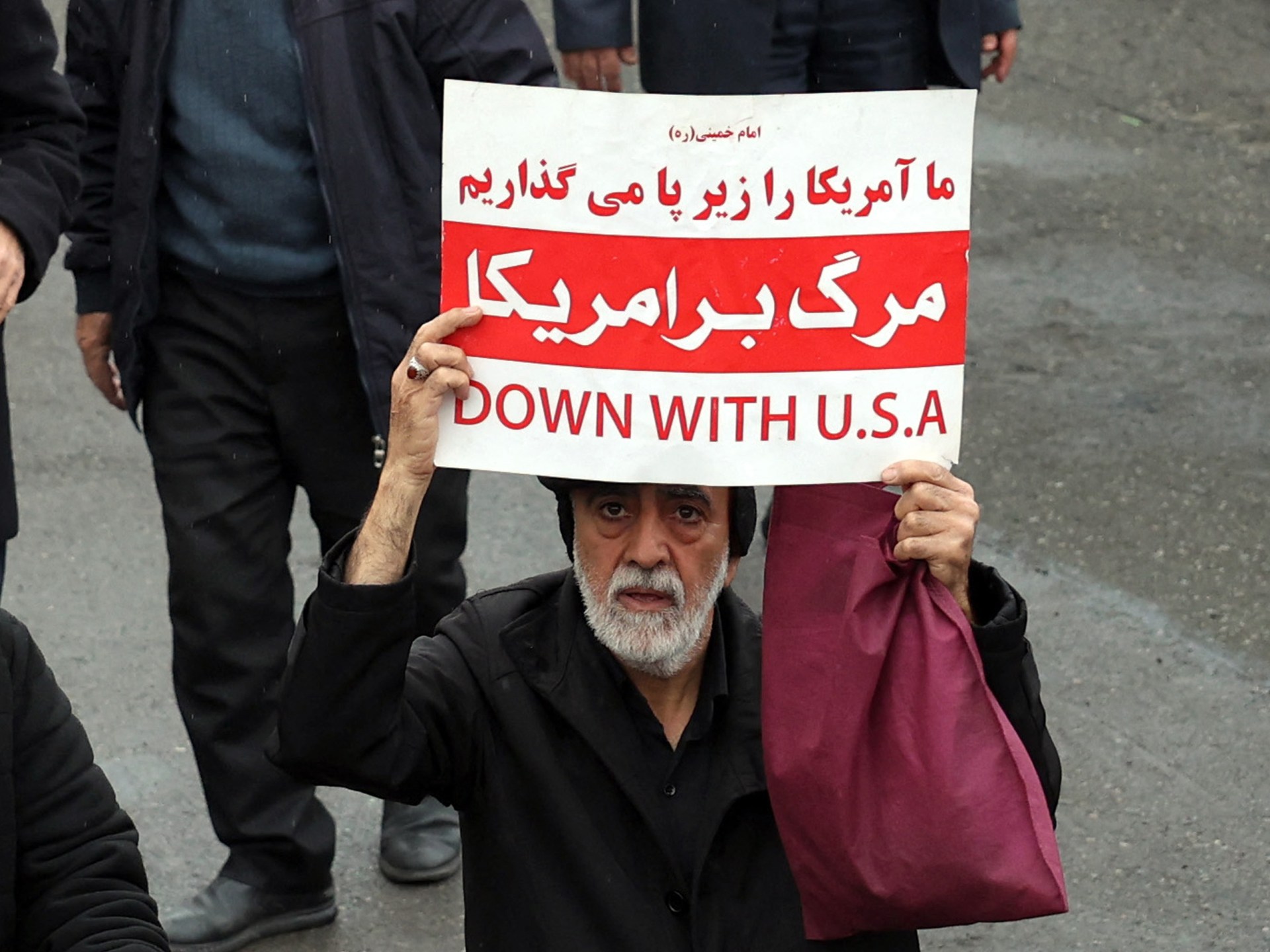
The timing of these strikes coincides with major religious observances including Eid al-Fitr and the Nowruz festival. Millions of Iranians celebrate these holidays under the constant threat of aerial bombardment and military mobilization. Local reports describe a somber atmosphere throughout the nation during this traditionally festive period of renewal.
Previous escalations in 2020 saw similar proxy engagements without direct state-to-state warfare between the major powers involved. This current conflict marks a significant shift toward open hostilities following years of shadow operations and sanctions. Analysts note the increased risk of wider regional involvement compared to past confrontations in the Persian Gulf. The involvement of direct state actors changes the diplomatic calculus for European and Asian allies.
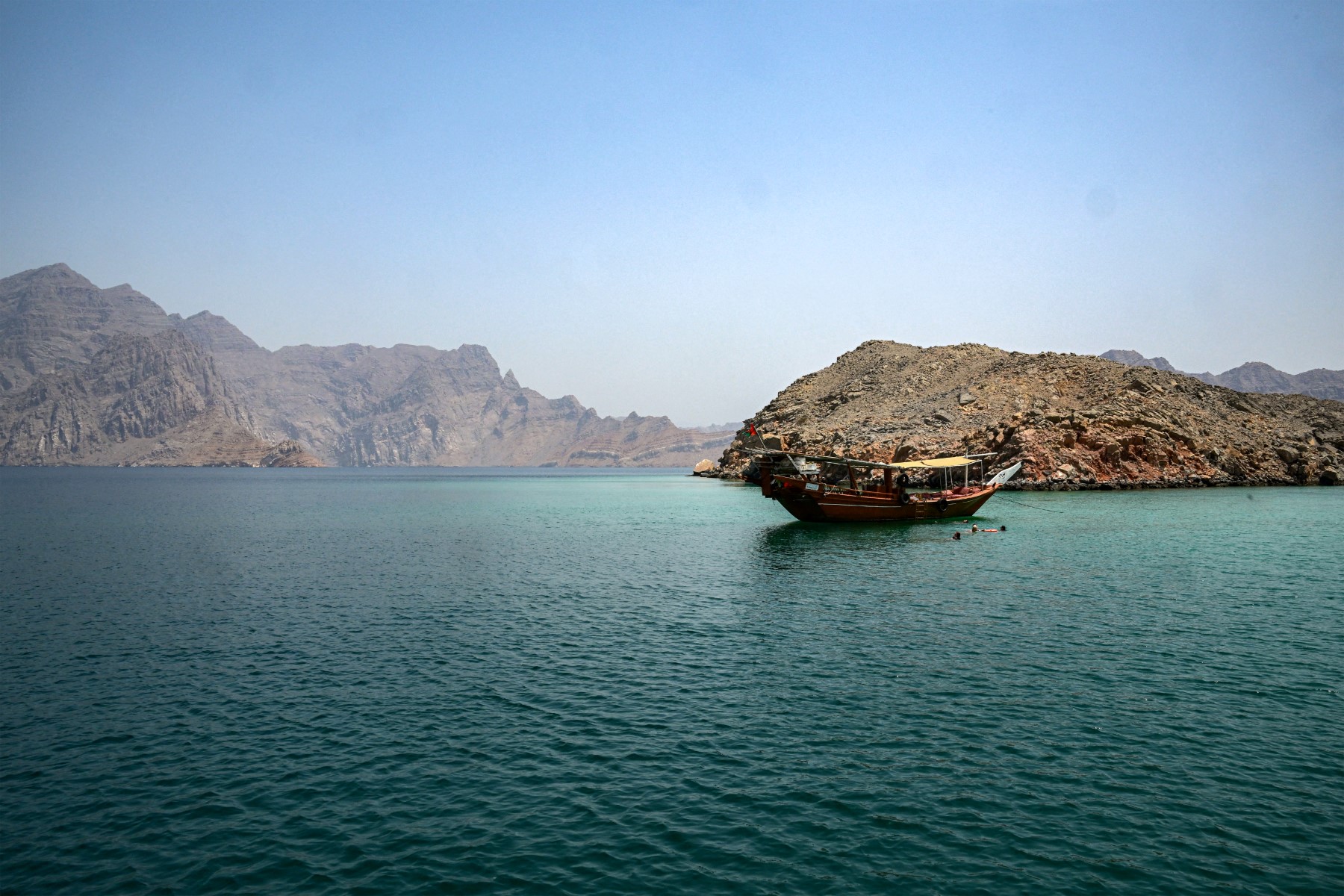
Global markets reacted immediately to reports of potential disruption in oil supply routes through the Strait of Hormuz. Traders anticipate price volatility if shipping insurance costs rise due to heightened security concerns and piracy risks. Economic stability in import-dependent nations faces pressure from potential fuel shortages and reduced export capacity. Financial analysts predict sustained volatility in energy markets if the conflict extends beyond the current month.
International organizations urge all parties to protect civilian infrastructure and maintain open humanitarian corridors for aid delivery. Aid groups warn that humanitarian access could become severely restricted by continued fighting and infrastructure damage. The United Nations has called for an immediate halt to hostilities to prevent further loss of life and suffering.
Future developments will depend on whether diplomatic channels reopen with Gulf state mediation and international pressure. Observers watch for signals regarding American troop deployments and long-term strategic goals for the region. Regional security architecture faces a critical test during this prolonged period of tension and uncertainty. Diplomatic envoys are scheduled to meet next week to discuss potential de-escalation measures.