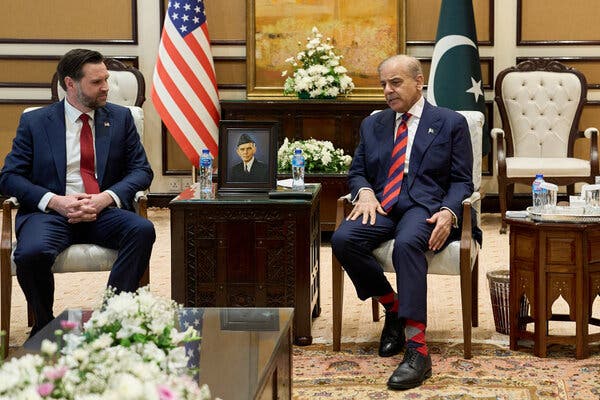
Top officials from the United States and Iran are converging on Islamabad this weekend for high-level negotiations aimed at securing a lasting peace. The meetings follow a Pakistan-mediated two-week ceasefire, currently strained by sporadic fighting and conflicting interpretations of the truce terms.
Security remains tight throughout the Pakistani capital as authorities seal off the Red Zone. The Serena Hotel, the designated venue for the talks, has been cleared of guests to accommodate the delegations.
A diplomatic push for stability
Vice President JD Vance will lead the U.S. delegation, joined by envoy Steve Witkoff and Jared Kushner. The Iranian team, headed by Parliament Speaker Mohammad Bagher Ghalibaf and Foreign Minister Abbas Araghchi, arrives amid deep-seated skepticism regarding Washington’s commitment to the ceasefire.
Iranian Ambassador to Pakistan Reza Amiri Moghadam previously noted on social media that the delegation intends to pursue "serious talks based on the 10 points proposed by Iran." While the post was quickly deleted, it signaled the Iranian government's intent to test the diplomatic waters despite domestic public pressure.
Prime Minister Shehbaz Sharif will host the proceedings, with Deputy Prime Minister Ishaq Dar facilitating the shuttle diplomacy. Officials expect the U.S. and Iranian teams to remain in separate rooms, with Pakistani mediators carrying proposals back and forth throughout the weekend.
Global energy markets remain volatile following the recent closure of the Strait of Hormuz. With 20 percent of the world’s oil and gas supply at stake, the outcome of these talks carries severe economic consequences for the international community.
While the White House confirmed the start of formal discussions for Saturday morning, the duration of the summit remains fluid. Iranian officials have suggested the negotiations could span up to 15 days, reflecting the complexity of the issues facing both powers after weeks of coordinated airstrikes and regional escalation.