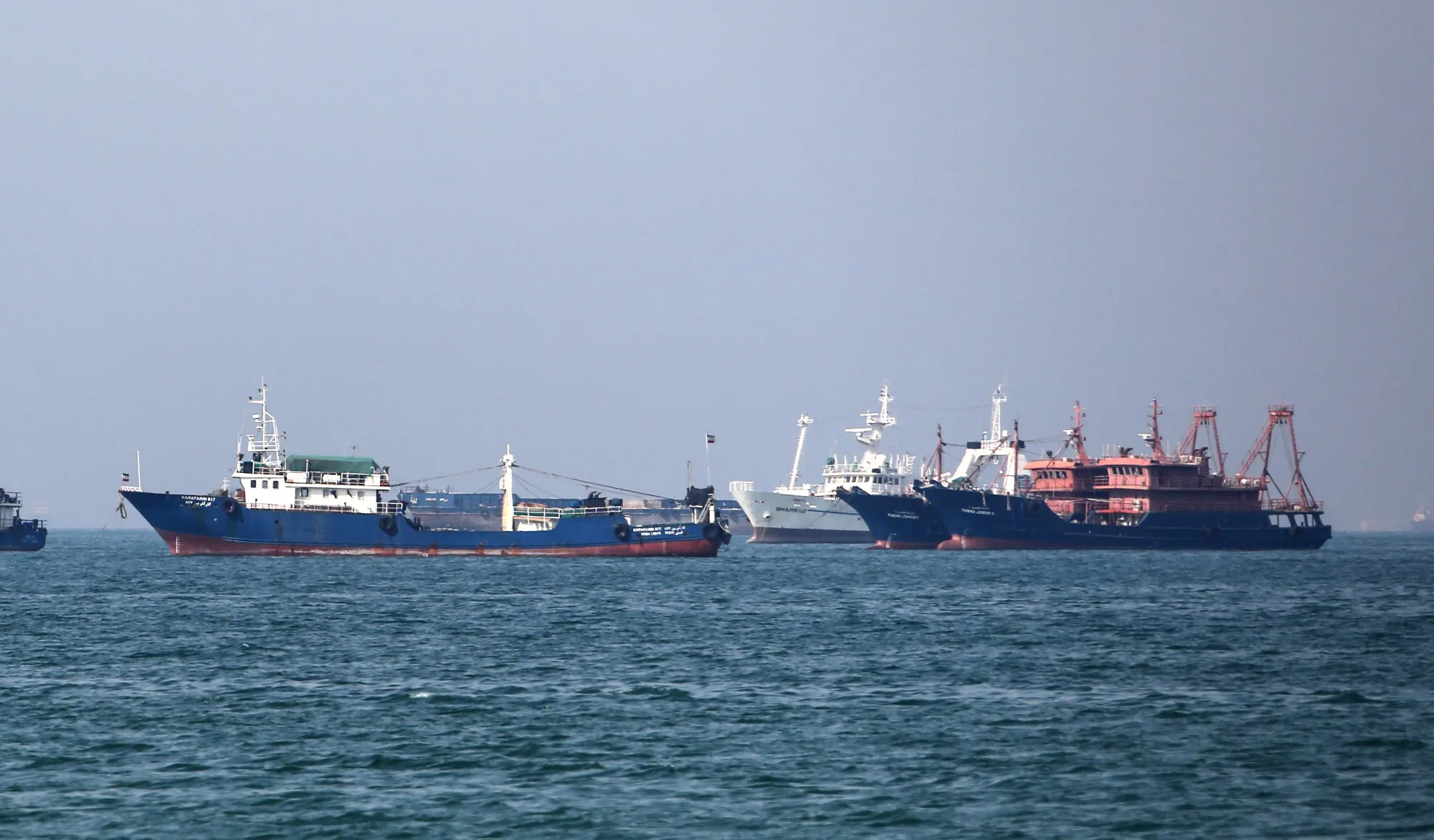
The United States and Iran have reached a conditional two-week ceasefire agreement, effectively ending a recent campaign of airstrikes that targeted Iranian infrastructure. The deal mandates the immediate and safe reopening of the Strait of Hormuz, a vital waterway that had been closed as the conflict escalated.
Global financial markets responded sharply to the news. Benchmark Brent crude prices fell by 15.9% to $92.30 a barrel, while US-traded oil dropped by 16.5% to $93.80. Stock indexes in Asia-Pacific markets rallied in Wednesday morning trading, with Japan’s Nikkei 225 gaining 4.5% and the South Korean Kospi jumping 5.5%.
President Donald Trump announced the terms of the truce on social media Tuesday evening. Trump, who had previously threatened that a "whole civilisation will die tonight" if an agreement was not reached by the midnight deadline, stated: "I agree to suspend the bombing and attack of Iran for a period of two weeks... subject to the Islamic Republic of Iran agreeing to the COMPLETE, IMMEDIATE, and SAFE OPENING of the Strait of Hormuz."
Iranian Foreign Minister Abbas Araghchi confirmed the agreement, noting on social media that Tehran would adhere to the ceasefire "if attacks against Iran are halted," and confirming that safe passage through the strait would be restored.
Infrastructure destruction and human toll
The ceasefire follows two weeks of intense bombardment by US and Israeli forces. According to BBC Verify, the strikes targeted critical civilian infrastructure, including at least three bridges, a pharmaceutical plant, and two steel facilities.
One of the most significant strikes occurred last Thursday in the central city of Karaj, where US aircraft destroyed a bridge under construction. Local officials reported that at least 13 people were killed in the attack. Trump shared footage of the strike online, writing: "biggest bridge in Iran comes tumbling down, never to be used again," and adding: "Much more to follow."
On March 27, verified footage also showed smoke rising from the Isfahan Mobarakeh Steel company, Iran’s largest steel manufacturer. The attack forced the facility to suspend operations, disrupting an enterprise that exported approximately $860m in goods between March 2025 and January 2026.
While some senior US Democrats and UN officials warned that the systematic targeting of infrastructure could constitute war crimes, Trump dismissed these concerns during a news conference on Monday. Market analysts suggest the administration was likely pushed toward a deal to avoid the economic fallout of skyrocketing energy prices, which would have represented a "self-inflicted economic wound" for the US economy.